Absolutely — holes, pinholes, or missing grout in your shower are significant issues that should not be postponed for a later date. When water infiltrates behind the tiles, it can lead to serious problems such as framing damage, mould growth within the wall cavity, or leaks appearing on the ceiling of the room below. Typically, the grout itself isn’t the primary issue; instead, it is a symptom of a larger problem. Something else has shifted, failed, or was improperly installed. This page delves into the causes of grout issues, when do-it-yourself fixes may be effective, when to engage a professional regrouter, and an overview of potential costs in Sydney by 2026.
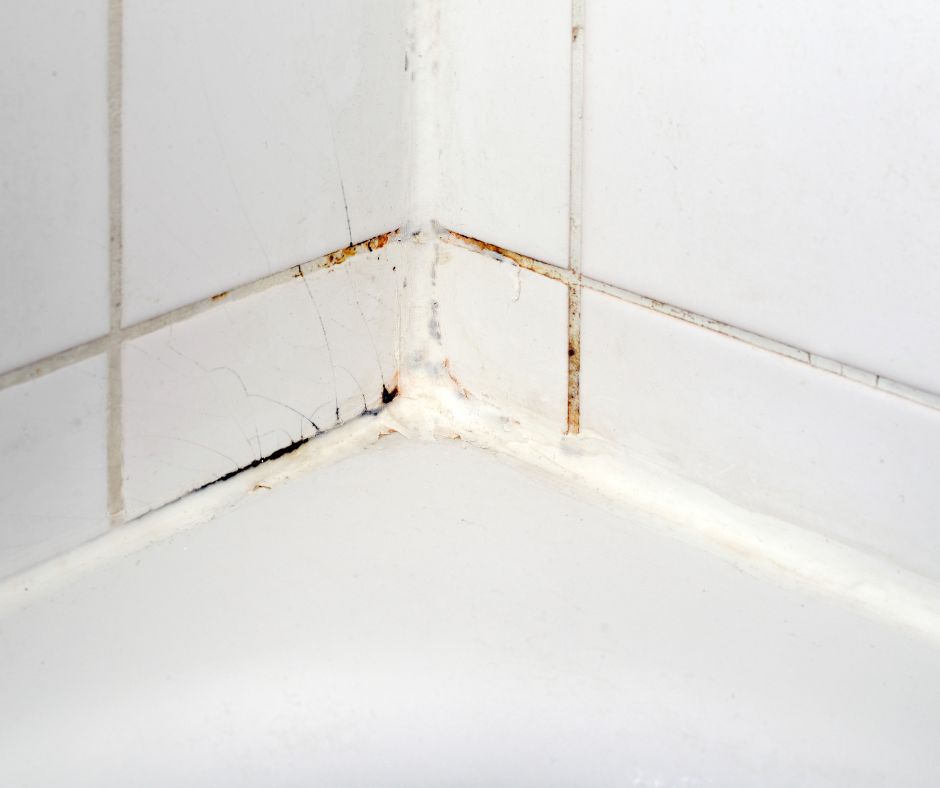
Are holes or pinholes in shower grout a serious concern that requires immediate attention?
The short answer is yes, without exception. Grout serves as the waterproof barrier between tiles. Any holes present create a pathway for water to reach the substrate behind the tiles. Even pinhole-sized openings can gradually allow moisture to seep into the cement board or plasterboard behind the tiles. This is where slow, destructive damage occurs — resulting in soft walls, mould formation within the cavity, and ultimately leading to framing rot or unsightly stains on the ceiling below. The importance of addressing these issues promptly cannot be overstated.
Pinholes are often overlooked because they seem cosmetic, yet they are far from harmless. Surface tension may prevent you from noticing water entering these holes, but warm shower water combined with detergents can easily penetrate. By the time visible damage occurs, the wall behind has likely been damp for an extended period, creating a breeding ground for mould and other moisture-related issues.
It’s crucial to distinguish between a few hairline cracks and actual holes. Hairline fractures generally result from surface shrinkage in cement-based grout. While they may be annoying and potentially problematic, they develop at a slower rate. Real holes, missing chunks, or pinholes that extend through the grout depth require immediate attention and should not be ignored.
What are the common factors contributing to holes in shower grout?
With over 26 years of experience in Sydney bathrooms — covering areas such as the Hills District, North Shore, Eastern Suburbs, Northern Beaches, and Inner West — we have identified five common causes of grout degradation:
- Degradation of cement grout. Standard cement-based grout absorbs moisture. With each shower, moisture infiltrates the joint, leading to deterioration over 5 to 10 years. The binder deteriorates, causing the grout to erode back into the joint, which is the most frequent cause we encounter in older bathrooms.
- Poor initial installation. Grout may have been mixed too dry, inadequately packed into the joints, or air bubbles left unaddressed before it set. These pinholes were present from the beginning — they simply took time to manifest into visible issues.
- Substrate movement. If the wall sheet or floor flexes due to poorly fixed cement board or a settling slab, the grout can crack and chip away at points of high stress. This typically presents as linear cracks rather than random holes, indicating significant structural issues.
- Aggressive cleaning methods. The use of acid-based cleaners, abrasive pads, or stiff brushes can gradually erode the binder from cement grout. While the grout may appear clean, it has been thinned out and filled with micro-holes that compromise its integrity.
- Improper previous repairs. If someone attempted to patch over old grout without removing the failing grout first, the new grout will not bond effectively. Patches can fall out within 12 to 18 months, leading to more holes than originally existed.
What actions should you take if your contractor left holes in the grout?
This situation occurs more frequently than most people realize. After a bathroom renovation, everything may appear perfect for a couple of weeks, only for pinholes to emerge on the shower wall or chunks of grout to fall out near the corners shortly after regular use. Addressing these issues promptly is essential to prevent further damage.
If your bathroom was completed within the last 12 months and you can reach the original tiler, that’s your best first step. Most reputable tilers will return to rectify grout failures within their workmanship warranty period. Document any holes with date-stamped photos and communicate them in writing to create a formal record of the issue and your attempts to resolve it.
If the tiler is unreachable, has gone out of business, or refuses to return, you have two options in New South Wales: file a complaint with NSW Fair Trading if the work is still within their warranty period, or hire another contractor to fix the grout and seek reimbursement separately. Many of our remedial jobs stem from failed installations, as clients prefer to have their showers fixed and waterproofed immediately rather than waiting for a protracted dispute.
When you bring in a regrouter for a contractor-related issue, ensure you receive a written assessment. We document our findings, including the original grout type, depth of failure, and any evidence of installation issues. This documentation can be valuable if you decide to pursue the original tiler for compensation.
What can you expect to pay for shower grout repair in Sydney in 2026?
Two distinct types of jobs fall under the umbrella of “grout repair,” and the cost can vary significantly between them, depending on the extent of the damage and the work required.
Patching a few isolated holes: This typically costs between $200 and $500 for a callout. This approach is only advisable if the rest of the grout is genuinely sound and you’ve pinpointed a specific cause (such as one chipped area or a single corner failure). We don’t often recommend this method because patched grout rarely blends seamlessly with existing aged grout and often fails again within two years, as the surrounding grout is likely to deteriorate next.
Full shower regrouting (which most cases of “holes in grout” ultimately require): This can range from $1,400 to $2,500 for a typical residential shower. This process involves completely stripping the failed grout, preparing the surface, applying new epoxy grout (commonly Ardex EG15), and resealing the silicone in the corners. The shower will be out of action for 24 hours, and it comes with a 10-year warranty on the grout itself, providing peace of mind.
The price can vary based on the size of the shower, the current condition of the grout, whether silicone resealing is included, and the extent of the preparation required. Walk-in showers and dual-head enclosures tend to be on the higher end of the scale, while standard 1.5m × 1.5m enclosures are generally less expensive. For context, a full bathroom renovation in 2026 starts at around $25,000 and can exceed $50,000 with proper waterproofing. If the bathroom is otherwise sound, regrouting at approximately $1,500 is the appropriate solution 70% of the time. In the remaining 30% of cases, the tiles or substrate may need replacing, necessitating a builder rather than a regrouter.
When is DIY grout repair a feasible and effective solution?
The honest truth is that DIY grout repair can be effective under certain conditions, provided you have the right materials and the patience to prepare properly. Where it often falls short is in the preparation phase, which is critical for a successful outcome.
- It’s a non-primary bathroom, allowing for a long weekend without access.
- The holes are localized — affecting just one corner or section, not the entire shower.
- You use epoxy grout (not cement) and have watched a few credible videos on mixing the correct ratio.
- You have an oscillating multi-tool with a grout removal blade — manual grout saws can work, but you’ll spend 4 to 6 hours on what a tool could accomplish in 2.
- You can properly plastic-sheet the bathroom and wear a P2 mask to manage the dust and maintain a clean work environment.
Avoid DIY when:
- It’s your only or primary shower and losing access for 3 or more days is not an option.
- The holes are widespread throughout the shower — that’s a full regrout job, not just a patch.
- You notice signs of water damage behind the tiles (soft walls, stains on the opposite side, or ceiling damage below).
- It’s a rental property and you require warranty-covered work.
- You can see the cement board behind the grout — that indicates substrate damage, not just a grout issue.
The most common failures in DIY jobs stem from incorrect epoxy mixing (the resin-to-hardener ratio is critical — too much resin results in no cure, and too much hardener leads to premature setting), only removing the top layer of grout (new grout won’t bond to old grout, causing failure within 18 months), and attempting to color-match aged grout (which is nearly impossible, leading to visible patches that detract from the overall appearance).
If you choose to DIY — follow this quick guide for success
If you’ve determined that this is a DIY task, here’s a concise overview to guide you through the process:
- Remove ALL the failed grout in the affected area — not just the visible holes. Aim for a depth of at least two-thirds of the grout joint. Use an oscillating tool with a grout removal blade, wear a P2 mask, and plastic-sheet the bathroom to contain dust.
- Vacuum and wipe the joint clean. Allow it to dry completely before regrouting; any remaining dust will compromise the bond and lead to future failures.
- Utilize epoxy grout instead of cement. Premium options like Ardex EG15 are preferred by professionals because they resist water absorption, prevent mould growth, and last over 10 years under normal conditions.
- Mix according to the ratio specified on the packaging. Epoxy is sensitive to incorrect ratios — either too much resin results in no cure, or too much hardener causes rapid setting, which can ruin your repair.
- Push the grout into the joints at an angle using a grout float. Ensure it is properly worked into the joint rather than just spread over the surface, which can lead to weak points.
- Wipe back with a damp sponge (not soaking wet) within the working time indicated on the packaging. Rinse the sponge frequently to avoid residue buildup.
- Allow a 24-hour curing period before exposing it to water. This step is crucial for ensuring the grout sets properly and achieves the desired strength.
If you skip any of these steps, the repair is likely to fail. This is the fundamental difference between DIY and professional work — we have completed this task thousands of times, making the preparation process second nature; beginners often rush through steps, leading to subpar outcomes.
When is it essential to hire a professional regrouter?
Engage a professional if any of the following conditions apply to your situation:
- It’s your primary shower and you can’t afford to lose access for a weekend or longer.
- The holes are widespread instead of localized, indicating a more significant issue.
- You’re noticing leaks in adjoining areas (such as stains on the ceiling below or soft walls behind), which could signal serious damage.
- It’s a rental property and you require warranty-covered work for any repairs.
- You want to change the grout colour during the process — epoxy is available in various shades including white, grey, charcoal, beige, and color-matched options.
- The bathroom is older and you suspect that the cement grout is failing across the entire area, not just at the holes.
We offer free onsite quotes that take about 30 minutes. During this time, we assess what is actually failing (grout, substrate, silicone, or pipework) so you avoid unnecessary costs for fixing the wrong issue.
Common queries addressed regarding shower grout issues
Is it possible to simply patch holes instead of regrouting the entire shower?
Occasionally — but it’s often not worth the effort. Patched grout typically does not visually match the surrounding aged grout, and the neighboring grout is likely to fail soon after. We may provide a quote for a patch job if the grout is genuinely sound elsewhere and the issue is localized. However, in most cases, full regrouting proves to be the more cost-effective and long-lasting solution.
What is the expected lifespan of a professional regrout using epoxy?
With epoxy grout and proper preparation, you can expect 10 to 15 years of durability. We utilize Ardex EG15 and adhere to Ardex Academy accredited installation practices, ensuring compliance with AS3740-2010 (the Australian Standard for waterproofing of domestic wet areas). A 10-year warranty accompanies the grout, providing added assurance of quality and longevity.
How long will the shower be out of service during regrouting?
The job typically takes one day on site, followed by a 24-hour curing period. For example, if we work on a Wednesday, you can expect to use your shower by Thursday evening. The rest of the bathroom remains fully functional during our work — including the toilet and basin, with no need for plumbing isolation, allowing you to continue your normal routine.
Are small pinholes in my grout really a concern that should be addressed?
Absolutely. While pinholes may appear cosmetic, they create pathways for water to penetrate. Surface tension can conceal this occurrence, but warm, soapy shower water passes through without issue. Over time, moisture accumulates in the substrate, leading to extensive damage. We receive calls about “tiny pinholes” that have resulted in over $5,000 in framing damage — it’s wise to address these issues before they escalate into a significant structural problem.
Will regrouting resolve a leaking shower issue?
If the leak is due to failed grout or silicone, then yes. If the leak is caused by a cracked tile, a damaged shower base, or issues with behind-the-wall pipework, then no. We conduct a thorough diagnosis during the onsite quote. If regrouting isn’t appropriate for your situation, we will inform you and decline the job rather than proceed with work that won’t resolve the underlying issue.
Do you provide service in my suburb across Sydney?
Yes, we operate Sydney-wide, including the Hills District, North Shore, Eastern Suburbs, Northern Beaches, Western Sydney, and Inner West. Our family-run business boasts over 26 years of hands-on experience in the industry, ensuring a high level of service and expertise.
Schedule an onsite quote today for your shower grout issues
If you have holes in your shower grout, delaying action increases the risk of incurring water damage costs in addition to the regrouting expenses. Our onsite diagnosis takes around 30 minutes and is provided at no charge. We will clearly advise whether regrouting, patching, or a referral to a builder is necessary for your specific situation, helping you make informed decisions.
Call 1300 815 512 or book a complimentary onsite quote to get started today.
Leaking Showers Sealed — Andreas Jagle, owner. NSW Contractor Licence 89111C. Ardex Academy accredited. AS3740-2010 compliant. Over 135 five-star Google reviews. Proudly servicing Sydney’s Hills District, North Shore, Eastern Suburbs, Northern Beaches, Western Sydney, and Inner West.
Original Article First Published At:
The Article: Holes In Shower Grout: Problems and Solutions for Sydney Homes first appeared on https://writebuff.com





No responses yet