Proven Strategies to Soothe Your Pets During Fourth of July Celebrations
What Techniques Effectively Reduce Pet Anxiety?
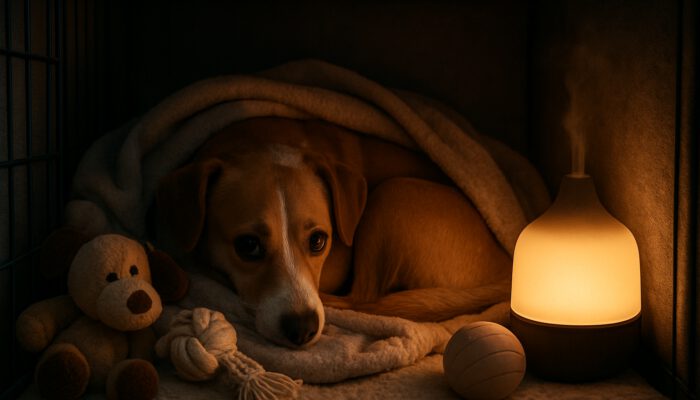
Creating a tranquil environment for pets during celebratory occasions, especially on the Fourth of July, is crucial for maintaining their emotional well-being. The first step is to establish a safe haven where pets can escape when they start feeling anxious. This space should be quiet, familiar, and filled with comforting items that remind them of home. To enhance this safe space, consider including the following items:
- Soft blankets for warmth and security
- Favorite toys to provide comfort
- Cozy bedding for a restful retreat
- Familiar scents (like a worn t-shirt) to soothe their nerves
- Calming sprays or diffusers to promote relaxation
- Secure enclosed areas (like a crate or small room) for safety
- Interactive toys to keep them mentally engaged
- Gentle lighting (like a night lamp) to create a calming atmosphere
It is essential to make this area inviting and secure, as pets tend to seek refuge in spaces that feel cozy and safe. Additionally, offering distractions, such as new toys or engaging activities, can effectively divert their attention from the loud noises outside. Always ensure that any methods you use are safe and appropriate for your specific pet, as different animals have varying needs when it comes to relaxation and comfort.
What Factors Contribute to Pet Anxiety?
A multitude of aspects can trigger anxiety in pets, especially during events marked by sudden loud noises, such as fireworks. Common sources of anxiety include unfamiliar sounds, changes in routine, and the presence of unknown individuals or animals. To effectively manage pet anxiety, owners should focus on identifying early signs of stress. Look for behavioral changes such as excessive barking, pacing, or hiding, which may indicate that your pet is feeling overwhelmed and anxious.
Moreover, pets may respond differently to similar stimuli. For example, while some dogs may become overly vocal or hyperactive, others might retreat and seek solitude. Recognizing these differences is vital for tailoring effective calming techniques. Early detection of anxiety signals empowers pet owners to take proactive steps in easing their pet's stress, fostering a serene environment that enhances their overall emotional health and stability.
What Are the Warning Signs of Anxiety in Pets?
Recognizing the signs of anxiety in pets is paramount for their comfort and overall well-being. Common behavioral indicators include hiding, whining, increased barking, and restlessness. Additionally, pets may show physical signs of stress, such as trembling, panting, or excessive grooming. Keeping an eye on these behaviors can provide valuable insights into their emotional state, allowing for timely intervention.
When pets exhibit signs of anxiety, it is vital for owners to respond appropriately. For instance, offering a calming presence or gently guiding them to their safe space can significantly reduce their stress levels. Furthermore, monitoring their eating habits is crucial, as changes in appetite can also signal anxiety. By being attentive to these signs, pet owners can provide the necessary support to their furry companions during stressful times.
How Can You Prepare Pets for Fireworks Ahead of Time?
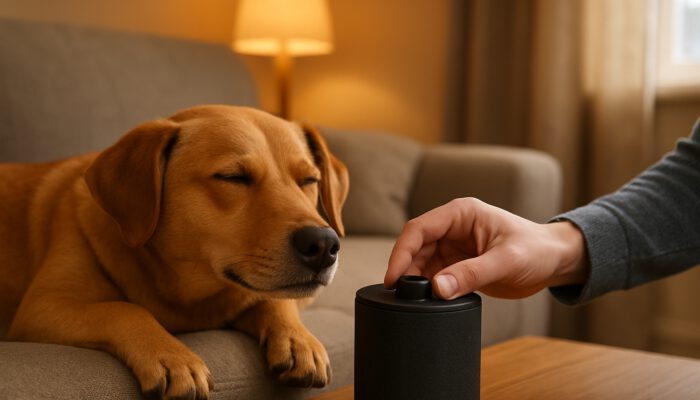
Preparing pets for fireworks can greatly reduce their anxiety levels. One effective approach is to gradually expose pets to loud noises before the actual event. You can achieve this by playing recorded sounds of fireworks or thunder at low volumes, gradually increasing the volume over time. This method helps desensitize pets to sudden loud noises, thereby diminishing their fearful responses when the real fireworks occur.
Establishing a routine leading up to the Fourth of July can further enhance your pet’s comfort. This might involve regular sound exposure sessions combined with positive reinforcement techniques, such as offering treats or praise when they remain calm. Additionally, incorporating safety measures, such as ensuring pets are safely indoors and away from windows, minimizes stress. By preparing pets in advance, owners can create a more relaxed atmosphere during the celebrations.
What Additional Products and Aids Can Help Calm Pets?
Beyond basic relaxation techniques, several calming products and aids can contribute to a stress-free environment for pets during noisy events. Anxiety wraps, for instance, provide gentle pressure that can soothe anxious pets, similar to how swaddling comforts an infant. Meanwhile, pheromone diffusers replicate calming scents, while music specifically designed for pets can create a tranquil atmosphere.
When exploring these products, it is crucial to consider the unique needs of each pet. Not all pets respond similarly to the same calming aids, so some experimentation may be necessary to identify the most effective solutions. Always adhere to the manufacturer's guidelines to ensure safe usage. By complementing basic techniques with these calming aids, pet owners can adopt a comprehensive approach to managing their pets’ anxiety during high-stress events like the Fourth of July.
What Are the Most Effective Techniques for Calming Pets?
How Can Engaging Distractions Enhance Pets' Comfort?
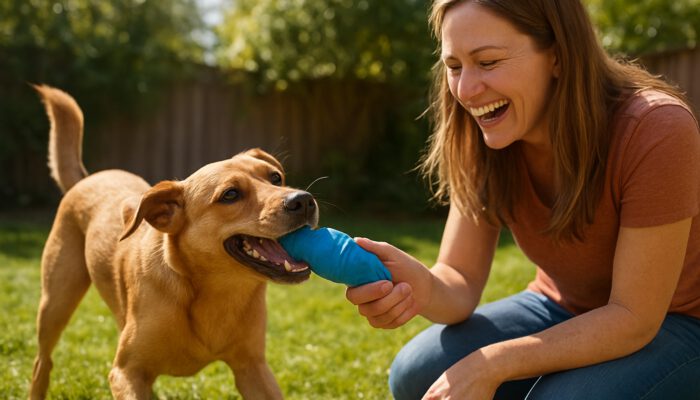
Utilizing distraction techniques serves as a powerful method for helping pets cope with anxiety during stressful occasions. By engaging pets in playful activities, owners can effectively redirect their attention from surrounding stressors. Everyday items, such as toys or puzzle feeders, can keep pets mentally stimulated and occupied, providing a much-needed distraction from anxiety triggers.
Interactive toys that dispense treats can offer both entertainment and a comforting diversion. Encouraging games, such as fetch or tug-of-war, can engage pets and help them release pent-up energy, thus alleviating overall anxiety. Additionally, incorporating training sessions that focus on commands or tricks can strengthen the bond between pet and owner, creating a more positive and supportive atmosphere.
Establishing routines that include play and engagement can significantly lessen the impact of loud noises, as pets are likely to focus on their activities instead of the sources of their stress. This method, combined with a calm demeanor from the owner, fosters a reassuring environment in which pets can thrive, even in challenging circumstances.
Which Types of Sounds and Music Are Calming for Pets?
Soothing sounds and music can play a vital role in calming anxious pets. Ambient noises or gentle melodies can effectively mask distressing sounds like fireworks, creating a more comforting environment. Many pets respond favorably to classical music or specially curated playlists designed for pets, featuring calming frequencies that promote relaxation.
Playing these sounds at a low volume can help ease pets into a state of tranquility, gradually forming a positive association with the noise. For particularly sensitive pets, sound therapy can be advantageous. Consider utilizing sound machines or apps specifically designed to calm pets, ensuring the experience remains delightful for your furry companions.
Moreover, establishing a consistent routine that incorporates calming music can help condition pets to relax during stressful situations. Over time, they will learn to associate these sounds with a peaceful environment, making it easier for them to manage loud events.
How to Effectively Utilize Comfort Items for Your Pets?
Creating a sense of familiarity through comfort items is essential for calming pets during stressful events. Items such as bedding, blankets, and favorite toys play a critical role in establishing a soothing atmosphere. These items should be strategically placed in the pet's designated safe space to ensure it feels inviting and secure.
Scents also play a significant role in pets' emotional well-being. Using familiar scents, such as a worn shirt or a piece of bedding, can provide additional comfort. Consider employing natural remedies like calming sprays infused with lavender or chamomile, which are generally safe for pets and can promote relaxation.
In settings where loud noises are anticipated, having comfort items readily available allows pets to find solace. Keeping these items accessible during stressful periods can enhance a pet's sense of security, contributing to a calm and reassuring atmosphere.
How to Effectively Prepare Pets for Fireworks?
What Are the Key Indicators of Stress in Pets?
Identifying stress signals in pets is crucial for effective management during high-stress events like fireworks. Pets may exhibit various behaviors when feeling anxious, including pacing, hiding, excessive barking or meowing, and changes in eating habits. Being observant enables pet owners to address anxiety early and implement appropriate calming strategies.
Experts recommend maintaining a record of your pet’s behavioral patterns, noting specific triggers that lead to anxiety. For example, if a dog tends to hide under furniture during loud noises, this may indicate a strong fear response that requires attention. Similarly, observing a cat’s increased aggression or withdrawal can signal stress that necessitates intervention.
By comprehending these behavioral cues, pet owners can better support their furry companions. Early intervention with calming techniques can prevent anxiety escalation, making it easier to manage stress effectively for both pets and their owners.
How to Create a Safe Space for Pets During Stressful Events?
Establishing a secure environment for pets during loud events is essential for promoting calmness. This involves creating a designated safe space where pets can retreat when feeling overwhelmed. This area should be comfortable, quiet, and filled with familiar items that provide a sense of security and comfort.
Utilizing soundproofing techniques, such as closing windows and doors, can help minimize noise. Consider using curtains or blankets to further dampen sounds. Additionally, providing background noise, like calming music or white noise machines, can help mask distressing sounds.
Establishing a routine helps pets feel secure. Confined within a small area that includes their favorite toys and comfort items can alleviate anxiety. Regularly reinforcing this safe space as a nurturing environment ensures pets know they have a refuge during stressful situations.
What Long-Term Strategies Support Anxious Pets?
To assist pets in managing anxiety in the long run, it is essential to implement trusted strategies that foster emotional resilience. Establishing a consistent daily routine that includes exercise, playtime, and training can help pets cope with stressors more effectively. Regular physical activity is crucial for releasing pent-up energy and decreasing anxiety levels.
Moreover, socialization plays a critical role in helping pets become accustomed to various stimuli. Gradually exposing pets to different environments, sounds, and situations allows them to build confidence and resilience. Over time, this can lead to a more balanced emotional state, making it easier for them to handle stressful events like fireworks.
Finally, seeking professional advice from veterinarians or animal behaviorists for personalized recommendations can provide invaluable insights. By incorporating expert guidance into ongoing care, pet owners can better equip their pets to manage anxiety, ultimately enhancing their overall well-being.
What Are the Key Signs of Pet Anxiety?
Why Is It Important to Monitor Pet Behavior?
Monitoring behavioral changes in pets is vital for early detection of anxiety. Subtle shifts in habits can indicate discomfort or stress that may escalate if not addressed promptly. Increased restlessness, alterations in appetite, or unusual vocalizations are all signs that something could be wrong.
Being observant allows pet owners to take timely action to alleviate any distress. For example, if a pet begins to hide more frequently or displays signs of aggression, these could signal underlying anxiety that necessitates attention. By understanding these changes, pet owners can implement appropriate strategies to support their beloved companions effectively.
Regular observation fosters a connection between pet owners and their pets, enabling better communication and understanding. This proactive approach can lead to improved mental and emotional health for pets, enhancing their overall quality of life.
How to Track Anxiety Levels in Pets Effectively?
Tracking anxiety levels in pets involves a combination of observational techniques and routine assessments. Keeping a journal of behavioral changes can be beneficial, noting any patterns that develop over time. Identifying common triggers and responses provides valuable insights into how a pet experiences anxiety.
Employing simple tools like anxiety rating scales can also assist pet owners in evaluating their pet's stress levels. A straightforward system that categorizes behaviors can clarify whether a pet is improving or worsening regarding their anxiety. For instance, noting increased trembling or hiding can indicate rising anxiety levels.
Additionally, regular check-ins with veterinarians can offer guidance on monitoring mental health. By establishing a consistent approach to tracking anxiety, pet owners can make informed decisions regarding their pets’ well-being and effectively respond to their needs.
How Do Different Pets React to Anxiety?
Different pets display a diverse range of reactions to anxiety, influenced by their personality and past experiences. For instance, dogs might show behaviors such as panting, pacing, or excessive barking when anxious. In contrast, cats may hide, become withdrawn, or display aggressive tendencies. Understanding these responses is crucial for tailoring calming strategies for each pet.
In general, behavioral signs of anxiety can include:
- Pacing or restlessness indicating discomfort
- Excessive barking or meowing as a stress response
- Hiding or seeking isolation to escape stress
- Panting or trembling signaling fear
- Loss of appetite indicating emotional distress
- Destructive behavior (chewing, scratching) as a coping mechanism
- Increased aggression or irritability due to stress
- Excessive grooming as a sign of anxiety
Recognizing these reactions enables pet owners to implement appropriate calming techniques tailored to their pet's specific needs. Understanding that different animals react uniquely to anxiety helps owners create a more targeted approach to effectively managing their pets’ stress.
What Physical Signs Indicate Anxiety in Pets?
Physical manifestations of anxiety in pets can appear in various forms, including trembling, panting, excessive licking, or dilated pupils. These indicators can signify underlying stress and are crucial for pet owners to identify. For instance, trembling might suggest fear, while panting could be a response to anxiety or discomfort.
Monitoring these physical signs of stress allows pet owners to take proactive measures. Early detection is key, as addressing anxiety sooner can lead to more effective management of the situation. Providing a calming environment, utilizing comfort items, or employing calming aids can significantly improve a pet's emotional state.
It's important to recognize that physical signs of anxiety often correlate with behavioral changes, creating a complete picture of a pet's emotional well-being. By observing and recording these signs, pet owners can better understand their pets and implement suitable strategies to enhance their comfort.
How to Understand Behavioral Indicators of Anxiety?
Behavioral indicators of pet anxiety include hiding, increased aggression, excessive barking or meowing, and changes in eating habits. Each of these signs reflects a pet's emotional state and can guide owners in addressing their needs. For example, if a dog begins to bark excessively, it may be expressing discomfort with its surroundings.
Grasping these behavioral cues is essential for implementing effective strategies to alleviate anxiety. For instance, if a cat is hiding more often than usual, creating a safe space filled with comfort items can help them feel secure. Similarly, recognizing changes in eating habits, such as decreased appetite, may indicate that a pet requires additional care and support.
By recognizing and interpreting these indicators, pet owners can enhance their pets' overall well-being. Taking prompt action to alleviate anxiety fosters a healthier emotional state, leading to a happier and more content pet.
Research-Backed Benefits of Calming Pets During Fourth of July Festivities
What Proven Techniques Are Effective for Pet Relaxation?
Research has revealed several effective methods for alleviating pet stress, particularly during events like fireworks. Evidence-based approaches suggest that gradual desensitization to loud noises can help pets adapt to stressors. Techniques such as controlled exposure to recorded sounds can significantly enhance pets' responses during high-stress scenarios.
Moreover, behavioral studies indicate that incorporating calming aids—such as anxiety wraps or pheromone diffusers—can promote relaxation in pets. These methods acknowledge the physiological effects of stress on animals and identify ways to alleviate anxiety effectively. Implementing these research-backed strategies can lead to improved outcomes for anxious pets.
Additionally, establishing consistent routines that incorporate calming practices has shown positive effects on overall well-being. By embedding these strategies into daily life, pet owners can cultivate an environment that supports emotional health and resilience in their furry companions.
What Long-Term Advantages Do Calming Practices Offer?
The long-term benefits of calming practices for pets extend beyond immediate stress relief. Research indicates that pets exposed to consistent calming strategies experience enhanced mental and emotional health over time. These practices can lead to lower anxiety levels, improved coping mechanisms, and an overall better quality of life.
Regular use of calming techniques, such as positive reinforcement training and environmental enrichment, fosters stability and security in pets. As pets become more accustomed to these supportive practices, they develop resilience that allows them to handle external stressors with greater ease. This creates a ripple effect, resulting in a more harmonious relationship between pets and their owners.
Furthermore, the long-term implementation of calming practices positively influences pet health metrics, such as reduced stress-related illnesses and behavioral issues. By prioritizing mental well-being, pet owners contribute to their companions' longevity and happiness.
How to Integrate Evidence-Based Strategies into Daily Routines?
Integrating evidence-based calming strategies into daily routines is vital for fostering an environment that supports pet well-being. Simple steps can significantly reduce anxiety. Regular exercise, mental stimulation through interactive play, and positive reinforcement during training sessions can all aid in promoting relaxation for pets.
Creating a structured daily routine that includes time for calming activities allows pets to predict their environment, which can lower anxiety levels. For example, scheduling playtime, training sessions, or quiet moments with soothing music can help pets acclimate to a predictable atmosphere.
Additionally, pet owners can incorporate relaxation techniques, such as deep breathing exercises during stressful moments, into their interactions. This not only models calm behavior but also reinforces a sense of security for pets. By embedding these practices into everyday life, pet owners can significantly improve their pets' emotional health.
What Evidence-Based Strategies Are Effective for Fireworks-Related Anxiety?
Research focused on pets' reactions to fireworks noise highlights targeted interventions that can effectively reduce Fourth of July stress. One proven method is desensitization, which involves gradually introducing pets to recorded fireworks sounds at a low volume, eventually increasing the intensity as pets become more comfortable with the noise.
Environmental modifications, such as creating a designated safe space with comforting items, also play a crucial role in managing fireworks-specific anxiety. Studies show that pets with a secure area to retreat to during loud events experience lower stress levels. This adjustment allows them to escape the stressor while still feeling safe and secure.
Finally, incorporating calming aids like pheromone diffusers or anxiety wraps during fireworks can provide essential support. These interventions, backed by research, have demonstrated effectiveness in reducing anxiety and improving overall pet comfort during stressful situations.
Why Should You Consider Natural Remedies for Your Pets?
What Natural Options Are Available for Managing Pet Anxiety?
Natural remedies can serve as a valuable addition to a pet owner's toolkit for managing anxiety. Herbal supplements, such as chamomile or valerian root, are widely recognized for their calming properties. Additionally, environmental remedies, such as essential oils derived from lavender or bergamot, can promote relaxation when used safely around pets.
When exploring natural options, it is vital to ensure that any remedy is appropriate for your specific type of pet. Some substances may not be safe for certain animals, so consulting a veterinarian before introducing new remedies is always advisable. These natural alternatives can offer gentle support for pets experiencing anxiety without the potential side effects associated with harsh chemicals.
By thoughtfully and responsibly offering these remedies, pet owners can create a more soothing atmosphere for their cherished companions. This holistic approach contributes to the overall well-being of pets, promoting a balanced lifestyle and emotional stability.
What Are the Benefits of Avoiding Harsh Chemicals for Pets?
Steering clear of harsh chemicals in managing pet anxiety offers numerous advantages. Many commercial anxiety medications can have side effects that adversely affect pets' health and behavior. By opting for natural alternatives, pet owners can prioritize well-being without the risks associated with synthetic substances.
Natural remedies typically work more gently, providing a calming effect without overwhelming pets' systems. Essential oils, for example, can offer soothing properties when used correctly, enhancing relaxation without the drawbacks of pharmaceuticals. This approach fosters a more balanced and holistic view of pet care, prioritizing the health and happiness of the animal.
Additionally, utilizing natural remedies can also build trust between pet owners and their pets. Animals often respond positively to natural scents and calming sounds, creating a serene environment that strengthens the bond between them. This connection is invaluable in fostering emotional stability and improving overall quality of life for pets.
What Safety Measures Should Be Taken When Applying Natural Remedies?
When using natural remedies to alleviate pet anxiety, safety must be the top priority. Following general guidelines ensures that any remedy applied is safe and effective. For instance, always dilute essential oils before use, as concentrated oils can be harmful to pets. A good rule of thumb is to mix one drop of essential oil with several tablespoons of carrier oil, like coconut or olive oil, before applying it to your pet.
Before introducing any new remedy, perform a patch test on a small area of your pet's skin to check for adverse reactions. Additionally, monitor your pet’s behavior after applying natural aids; if any signs of discomfort arise, discontinue use immediately.
Other preparation tips include:
- Consult your veterinarian for personalized recommendations.
- Store natural remedies safely out of reach of pets.
- Gradually introduce new remedies to observe for reactions.
- Use remedies during calm periods to foster positive associations.
By adhering to these precautions, pet owners can safely incorporate natural remedies into their anxiety management strategies, enhancing their pets' emotional well-being.
What Are Some Successful Real-Life Examples of Natural Remedies?
Numerous real-life success stories highlight the effectiveness of natural remedies in reducing pet anxiety. Many pet owners have reported significant improvements in their pets’ emotional health after integrating herbal supplements or calming scents into their routines. For example, one dog owner shared how her nervous rescue dog exhibited remarkable changes after using chamomile-infused treats, noting a decrease in excessive barking and hiding.
Testimonials from pet owners often emphasize the importance of consulting with veterinarians before implementing new strategies. This personalized advice ensures that natural remedies align with each pet’s unique needs. Many pet owners also highlight the positive outcomes of combining natural remedies with behavioral training, leading to a comprehensive approach to managing anxiety.
Additionally, case studies suggest that a holistic approach, which includes a balanced diet, regular exercise, and natural remedies, can significantly enhance pets' overall health. By sharing these success stories and emphasizing the importance of veterinary guidance, pet owners can feel empowered to explore natural options for their furry companions.
Implementing Effective Calming Strategies for Your Pets
What Immediate Steps Should Be Taken During Stressful Situations?
When faced with a stressful situation, an immediate response is crucial in calming pets. Pet owners should remain composed, as animals often reflect their owners' emotions. Start by guiding pets to their safe space, which should be filled with comforting items, providing a familiar environment during heightened stress.
Engaging in distraction techniques, such as offering treats or toys, can redirect their focus away from the stressor. Simple commands, like “sit” or “stay,” can help re-establish control and focus. Additionally, speaking softly and soothingly reinforces a sense of security, helping pets feel more at ease.
Implementing these immediate calming strategies requires practice and patience. Each pet is unique, and observing their reactions will inform which techniques are most effective. By developing a repertoire of immediate responses, pet owners can better support their furry friends during stressful moments.
How to Create Routines That Prevent Anxiety?
Establishing consistent routines is vital for preventing anxiety and promoting emotional stability in pets. Daily schedules that include ample exercise, playtime, and downtime can help pets feel secure and reduce stress levels. Regular physical activity not only helps expend excess energy but also fosters a sense of routine that pets come to rely on.
Incorporating training sessions and interactive play into daily routines keeps pets engaged and mentally stimulated. This not only aids in forming positive associations with their environment but also builds their confidence. Moreover, setting aside time for relaxation, such as cuddling or quiet moments with calming music, allows pets to recharge and feel secure.
By establishing and maintaining routines, pet owners can significantly diminish their pets' anxiety levels, supporting their overall emotional health. This proactive approach fosters a harmonious relationship between pets and owners, enhancing well-being for both.
How to Measure the Effectiveness of Calming Strategies?
Evaluating the success of calming strategies is essential for continuous improvement in pet care. Owners can assess whether their techniques are working by monitoring their pets’ behavior and emotional state over time. Noting changes in anxiety levels, such as reduced trembling or hiding, indicates that the methods implemented are positively impacting their pets.
Tracking engagement with calming activities, such as increased interaction with toys or a willingness to explore safe spaces, can also serve as indicators of success. Pet owners should remain flexible and willing to adjust their strategies, as individual pets may respond differently to various approaches.
Regular consultations with veterinarians can provide additional insights, ensuring that pets receive tailored support. By consistently measuring the success of calming strategies, owners can create a comprehensive plan for managing anxiety effectively, ultimately resulting in happier and healthier pets.
What Long-Term Care Strategies Benefit Anxious Pets?
How Can Ongoing Training Foster Calmness in Pets?
Ongoing training plays a crucial role in building resilience and emotional stability in pets. Regular training sessions that incorporate positive reinforcement techniques help reinforce desired behaviors, fostering a sense of security and confidence. Socialization with other pets and people can also be beneficial, exposing animals to new experiences and gradually reducing anxiety over time.
Incorporating calming exercises, such as deep breathing and relaxation techniques, can also aid in developing coping skills for pets. Engaging in activities that promote mental stimulation, like puzzle toys or scent work, helps keep pets engaged and focused, distracting them from potential stressors.
Building a long-term training regimen requires patience and consistency. Owners should celebrate small victories, acknowledging progress and reinforcing positive behavior. This dedicated approach can create lasting improvements in pets’ emotional resilience, enabling them to navigate stressful situations with greater ease.
What Resources Are Available to Support Pet Owners?
Access to support resources can significantly enhance pet owners' ability to manage anxiety in their pets. Numerous online platforms, books, and community groups offer guidance on best practices for addressing pet anxiety. These resources often provide valuable insights into specific techniques, as well as success stories from fellow pet owners.
Consulting with veterinarians or animal behaviorists is also highly recommended, as they can offer personalized guidance tailored to individual pets’ needs. Many veterinary clinics provide workshops or seminars focusing on anxiety management, equipping pet owners with actionable strategies and support.
Utilizing these resources enables pet owners to feel empowered and informed, ensuring they are equipped to provide the best possible care for their anxious pets. By seeking support, owners can create a solid foundation for effective anxiety management, enhancing the emotional health of their furry companions.
How to Maintain a Balanced Lifestyle for Pets?
Maintaining a balanced lifestyle for pets is essential in promoting overall health and emotional well-being. This involves integrating calming strategies into daily life while ensuring that pets receive adequate physical and mental stimulation. Regular exercise is crucial, as it helps pets expend energy and maintain balance.
Creating an enriching environment with opportunities for interactive play, exploration, and training is also vital. Providing toys that challenge pets mentally, such as puzzle feeders or scent toys, can keep their minds engaged and reduce anxiety related to boredom.
Additionally, establishing a routine that includes relaxation and socialization helps foster a sense of security. Time spent bonding with pets through gentle activities promotes a positive relationship, enhancing their emotional resilience. By maintaining a balanced pet lifestyle, owners can significantly contribute to their pets' overall health and happiness.
Frequently Asked Questions About Pet Anxiety
What Are the Most Effective Strategies to Calm a Pet During Fireworks?
Providing a secure space, distracting them with toys, and playing soothing sounds can effectively calm pets during fireworks. Gradual exposure to loud noises in advance is also beneficial.
How Can I Recognize If My Pet Is Anxious?
Signs of anxiety in pets encompass hiding, excessive barking, panting, trembling, and changes in eating or sleeping habits. Monitoring these behaviors can help identify anxiety early.
Are Natural Remedies Safe for My Pets?
Many natural remedies are safe for pets, but it is essential to consult with a veterinarian before introducing any new treatments to ensure they are appropriate for your pet's specific needs.
Which Calming Aids Are Most Effective for Pets?
Calming aids such as anxiety wraps, pheromone diffusers, and soothing music have proven effective in alleviating pet anxiety during stressful situations.
How Long Does It Take for Calming Methods to Start Working?
The effectiveness of calming methods can vary, but with consistent application, pet owners often observe improvements in their pets’ anxiety levels within a few weeks.
Can Training Help Reduce My Pet's Anxiety Levels?
Yes, ongoing training and socialization can help build confidence in pets, enabling them to cope better with anxiety-inducing situations.
What Should I Do If My Pet Shows Severe Anxiety?
For severe anxiety, consult a veterinarian or pet behaviorist for a personalized approach, which may include medication or specialized training techniques.
Is It Normal for Pets to React Differently to Fireworks?
Yes, pets can exhibit varying reactions to fireworks based on their personalities and past experiences. It is essential to tailor calming strategies to each pet's unique response.
Can I Use Essential Oils to Calm My Pet?
Essential oils can be used for calming pets, but they must be diluted and applied cautiously. Always consult a veterinarian for safe recommendations tailored to your pet.
How Can I Create a Calming Environment for My Pet?
To create a calming environment, provide a secure safe space, use soothing sounds, and incorporate familiar comfort items that help reduce stress for your pet.
Connect with Us on Facebook!
The Article Fourth of July Calming for Pets: Effective Strategies First Published On https://elgatoencasa.com





No responses yet