Essential Tools for Achieving Stunning Food Presentation
Key Utensils to Master for Exceptional Food Plating
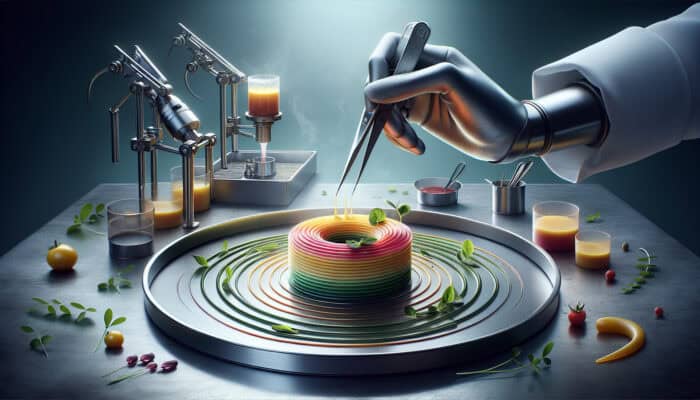
To learn how to plate food like a professional chef, assembling a collection of essential tools is critical for crafting visually stunning plates. Items such as tweezers, ring moulds, and squeeze bottles can dramatically enhance your food presentation skills. With tweezers, you can delicately position garnishes and components with unmatched precision, ensuring that even the tiniest details stand out beautifully. Ring moulds are ideal for creating structured layers that infuse depth and professionalism into your dishes. Meanwhile, squeeze bottles allow you to artistically design with sauces, enabling intricate drizzles and patterns that elevate the visual charm of every plate. Focus on acquiring versatile tools that inspire creativity and foster balanced composition in any meal, while emphasizing precision in arrangement to achieve a refined final presentation.
How to Select High-Quality Materials for Optimal Plating?
Choosing the right materials is vital for achieving plating results that reflect a professional standard. When evaluating options, prioritize durability and functionality as primary considerations. High-quality tools not only enhance performance but also ensure longevity, making them a smart investment in your culinary journey. For instance, selecting durable porcelain plates guarantees they can endure frequent use without chipping or fading. When it comes to tools like tweezers, opt for stainless steel versions for their durability and ease of cleaning. Test tools for usability in various environments, whether at home or in a professional kitchen, to encourage creativity in plating. Ultimately, investing in superior materials leads to a more enjoyable and efficient plating experience, significantly enhancing the overall presentation of your culinary creations.
What Types of Plates Should You Explore for Food Presentation?
The shape and size of your plate play a crucial role in the visual display of your culinary creations. Key factors to consider when selecting plates include:
- Round Plates: These classic and versatile choices are perfect for various dishes, promoting an inviting presentation.
- Square Plates: Offering a modern aesthetic, they are ideal for geometric presentations that catch the eye and enhance visual intrigue.
- Rectangular Plates: These plates are exceptional for showcasing long, elegantly arranged components, allowing for creative layouts.
- Deep Plates: Ideal for serving soups and stews, they add height and dimension to your food presentations.
- Shallow Bowls: Perfect for salads, these enhance the visibility of layered ingredients and promote an attractive display.
- Specialty Plates: These include coupe or rimmed plates designed for specific cuisines, enhancing the overall presentation.
Each type of plate has unique features that can effectively highlight texture and color contrasts, emphasizing the importance of selecting the right plate to achieve a stunning and memorable food presentation.
How to Organize Your Plating Tools Effectively?

To keep your workspace tidy and safeguard your valuable plating tools, organizing them in designated storage areas is essential. Consider utilizing protective cases or racks that shield your utensils from moisture and dust. For example, a dedicated drawer or a hanging rack provides quick access to essential utensils, preventing damage and ensuring cleanliness. Proper tool storage not only extends the lifespan of your items but also enhances efficiency in your plating routine. A well-organized workspace allows you to focus on unleashing your creativity rather than searching for misplaced tools, resulting in a smoother and more enjoyable plating process.
What Safety Measures Should You Implement When Using Plating Tools?
Prioritizing safety is essential when utilizing plating tools to minimize risks and prevent accidents in the kitchen. Always wear protective gear, such as gloves, especially when handling sharp utensils or hot components. It is crucial to handle tools carefully to avoid injuries; for example, keep knives and tweezers out of children's reach and store them securely. Regularly inspect your tools for any damage or wear, and promptly replace any that are compromised. Maintaining a clean workspace not only prevents contamination but also promotes a secure environment for creative plating. By prioritizing safety, you can focus on the joy of crafting beautiful presentations without unnecessary concerns.
How to Masterfully Arrange Food on the Plate?
Creating a Balanced Layout for Captivating Plates
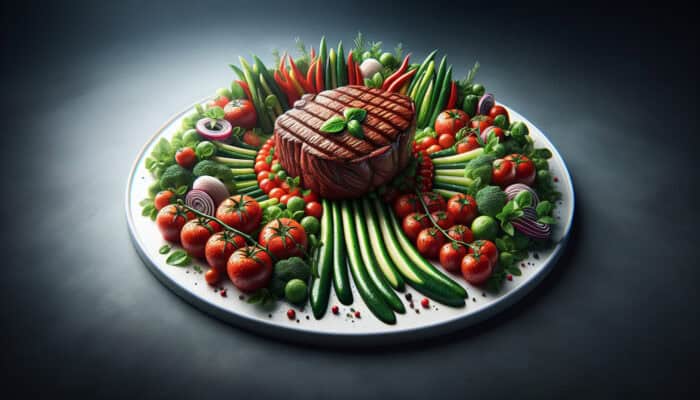
Establishing a balanced layout is crucial for crafting an appealing and engaging plate. Start with foundational elements, such as the main component of the dish, and artfully layer ingredients to create depth and visual interest. Strive for harmony by ensuring appropriate spacing between elements, and consider incorporating height variations to add dimension and intrigue. For instance, when plating a succulent steak next to vibrant vegetables, stack them to complement the steak, establishing an inviting focal point without overcrowding the plate. This meticulous attention to arrangement not only enhances the visual appeal but also guides the diner’s focus toward the delightful flavors and textures presented on the plate.
How to Incorporate Color and Texture for Maximum Visual Impact?
Utilizing contrasting hues and diverse surfaces is essential for adding depth and vibrancy to your plated dish. A vibrant mix of colors not only makes the plate visually striking but also entices the palate. For example, pairing a rich, dark protein like duck with bright green asparagus and a splash of zesty orange sauce can create a delightful visual feast that captivates diners. Additionally, thoughtfully blending smooth and crunchy components enhances the overall sensory experience. Incorporate elements like crispy toppings or textured garnishes alongside creamy sauces to foster a delightful contrast that excites the senses. This careful integration enriches the dining experience, inviting diners to appreciate the flavors on multiple levels.
Finalizing Your Plating Composition for Optimum Appeal
Once you’ve arranged the foundational elements, finalizing the composition is crucial to ensure visual appeal and elegance. Adjust elements for symmetry and overall sophistication, refining edges and proportions to achieve a polished, cohesive look. Utilize negative space effectively to enhance the composition; white space can help the food stand out and naturally draw the eye to the focal points of your plate. By paying attention to the overall arrangement, each element invites exploration and interaction. A well-finished plate not only looks appealing but also communicates the care and skill invested in its creation, ultimately enriching the overall dining experience.
What Factors Should You Consider When Choosing Plates?
Selecting the right plate is fundamental to enhancing the food's visual allure. Consider the plate's size and shape in relation to the food to ensure ample space for elements to breathe and be appreciated. A smaller plate may be suitable for highly styled dishes, creating an intimate feel, while a larger plate allows for expansive designs and more complex arrangements. Furthermore, choose plates that complement the food’s colors and textures to effectively guide the diner's focus. The right plate acts as a canvas for your culinary art, elevating its presentation and inviting appreciation for the dish as a whole.
How to Add Garnishes Thoughtfully for Enhanced Presentation?
Garnishes serve as the finishing touch, elevating the plate's appeal and introducing an element of sophistication. Incorporate them thoughtfully, positioning garnishes to add subtle accents of color and texture without overwhelming the dish's main components. For instance, a delicate herb sprig can introduce freshness and a pop of green, while a sprinkle of microgreens adds an element of refinement. Balancing garnishes with the main elements is crucial; strive to enhance the dish's overall elegance and flavor harmony without introducing clutter. The careful integration of these accents invites diners to explore the flavors while appreciating the artistry of the presentation.
Expert Insights for Mastering Food Plating Like a Chef
Key Techniques from Culinary Professionals for Exceptional Plating
Mastering plating techniques requires consistent practice and learning from industry standards set by culinary professionals. Experts often stress the significance of layering as a fundamental component of plating; begin with a base component, add height, and create visual intrigue through careful ingredient placement. For instance, a classic dish like risotto can be enhanced by layering it with sautéed mushrooms and drizzling fragrant truffle oil on top, transforming it into a culinary masterpiece. Real-world examples showcase chefs employing techniques such as stacking or fanning ingredients, which can elevate a simple dish into an extraordinary visual delight. Additionally, strategically incorporating diverse textures and colors makes a dish visually captivating, inviting diners to engage not only with the flavors but the entire sensory experience.
Advanced Styling Principles for Professional Food Presentation
In advanced plating, utilizing negative space serves as a powerful tool for creating visual impact. Negative space refers to the area surrounding and between the subject of an image, and in plating, it effectively highlights flavors and components. For instance, leaving space on a plate can draw attention to a beautifully seared piece of fish or a delicately arranged salad. Expert advice also encourages adopting asymmetrical designs that create dynamic interest while maintaining balance. Real-world examples of effective strategies can be found in fine dining establishments, where chefs utilize plate composition to tell a story or evoke an emotion, transforming a dish into an art form that engages the diner on multiple levels.
How to Refine Your Plating Approach for Culinary Perfection?
To refine your plating approach, closely examine subtle adjustments that can lead to culinary perfection. Start by systematically assessing your plating techniques and pinpointing areas for improvement. For example, if you observe that dishes appear overcrowded, practice simplifying the composition by focusing on fewer elements, allowing each part of the dish to shine. Actionable steps rooted in expert practices include regularly reviewing your past plates, seeking constructive feedback, and adapting techniques accordingly. By avoiding common pitfalls such as cluttered arrangements or mismatched colors, you can master the art of plating. This ensures each dish not only looks appetizing but also conveys your unique culinary philosophy and creativity.
Research-Backed Benefits of Mastering Food Plating Like a Chef
Enhancing Visual Appeal to Elevate Dining Enjoyment
Aesthetics play a significant role in how food is perceived and the overall dining experience. Research indicates that beautifully presented meals can enhance diners' enjoyment and satisfaction. Understanding color theory can aid in making meals more enticing; for example, using complementary colors can significantly amplify the visual impact of your dishes. Incorporating vibrant colors from fresh ingredients not only pleases the eye but also signifies freshness and quality. Expert analysis suggests that the psychological effects of visually appealing plates can enhance the overall dining experience, making meals feel more luxurious and special. By mastering the art of plating, you can create dishes that captivate not just the palate but all the senses, transforming every meal into a memorable event.
How Plating Influences Flavor Perception and Overall Dining Experience
Studies reveal that the arrangement of food significantly affects taste perception. When food is plated thoughtfully, it can enhance enjoyment through strategic placement and presentation. For example, positioning sauces on the side allows diners to control their flavor experience, fostering a dynamic interaction with the dish. Techniques that enhance flavor perception can include layering ingredients to combine textures and flavors, leading to a richer and more enjoyable experience. By understanding how presentation influences flavor, chefs can create plates that offer an engaging gastronomic journey, inviting diners to fully explore and appreciate each bite.
Enhancing Presentation Skills for Culinary Success
Practicing plating skills provides long-term advantages, including improved creativity and confidence in the kitchen. Implementing methods that encourage regular plating practice can foster growth and innovation in your presentation techniques. For instance, dedicating time to preparing increasingly complex dishes allows chefs to cultivate their unique style and refine their skills. Continuous practice leads to a more intuitive understanding of composition, color, and texture, enabling chefs to express their culinary vision more effectively. Ultimately, honing presentation skills contributes to a more fulfilling cooking experience, enriching both your personal and professional culinary journeys as you elevate your craft.
Promoting Healthy Eating Habits Through Thoughtful Food Presentation
Plating food like a chef can encourage balanced diets and promote portion control among diners. Research indicates that visually appealing plates motivate consumers to engage more with healthy foods, leading to improved dietary choices. Practical tips from Australian experts include integrating an array of colorful vegetables and proteins artfully to create a balanced meal that is both nutritious and visually appealing. For instance, arranging colorful vegetables alongside proteins not only enhances the plate's allure but also fosters diners' nutritional awareness. By utilizing plating techniques to highlight healthful components, chefs can inspire diners to make mindful choices, ultimately contributing to better health outcomes and a more enjoyable dining experience.
What Common Mistakes Should You Avoid When Plating Food?
Are You Overloading the Plate with Excess Ingredients?
One of the most prevalent mistakes in food plating is overloading the plate with too many ingredients, which disrupts balance and detracts from the dish's main components. To maintain elegance and focus, consider the following corrections:
- Limit the number of main ingredients to prevent overcrowding and heighten visual appeal.
- Utilize height rather than volume to create an appealing, balanced presentation.
- Prioritize key flavors and textures to achieve a harmonious appearance that draws the eye.
- Practice portion control to enhance the overall dining experience and enjoyment.
By addressing these common issues, you can create more visually pleasing and appetizing plates that highlight the essence of each dish while ensuring a delightful experience for your diners.
How to Ensure Proper Spacing for Visual Harmony in Plating?
Proper spacing in plating is vital for achieving a harmonious and appealing presentation. Addressing gaps or clusters that affect visual harmony is crucial; overcrowded plates can create chaos, while excessive gaps can make the dish appear sparse and uninviting. To improve flow, consider adjusting the positioning of each element to ensure adequate space between components. Practicing the art of separation while maintaining visual connection encourages an appealing arrangement that invites diners to explore the flavors without distraction, ultimately enhancing the overall dining experience and enjoyment.
How to Avoid Color Clashes in Your Plating Designs?
Mismatched colors can dull visuals and negatively affect the perception of a dish. To enhance overall appeal, utilize harmonious color palettes that beautifully complement the food. For example, pairing vibrant greens with deep reds or yellows can create a striking contrast that captures attention and excites the palate. When selecting garnishes, ensure they align with the dish's color scheme to maintain a cohesive and attractive look. By avoiding color clashes and embracing complementary color theory, you can create plates that are not only visually stunning but also reflect a carefully curated culinary vision that delights diners.
Why is Plate Symmetry Important for a Visually Appealing Presentation?
Neglecting symmetry in plating can disrupt visual harmony, making dishes appear unbalanced and less appetizing. Creating mirrored or radial arrangements enhances aesthetic appeal and perceived quality. Techniques for achieving symmetry may involve positioning components at equal distances from a central point or creating a balanced weight distribution across the plate. For example, arranging elements in a circular fashion or centered alignment provides a sense of order and elegance. By emphasizing symmetry, you contribute to a more visually calming and inviting presentation, enriching the overall dining experience and ensuring that diners feel welcomed by your creations.
How to Mindfully Place Garnishes Without Overwhelming the Dish?
A common error involves allowing garnishes to overshadow the main elements, detracting from the dish's focus and flavor profile. To integrate garnishes thoughtfully, consider their position and purpose regarding the dish. For instance, a delicate sprig of herbs should enhance the dish's appearance without overpowering the existing flavors. When selecting garnishes, think about the dish type; a rich stew might benefit from a sprinkle of fresh parsley, while a light salad could use edible flowers for a vibrant pop of color. By ensuring that garnishes complement rather than dominate, you create a harmonious presentation that highlights both the dish's flavors and aesthetics.
Advanced Tips for Achieving Professional Food Plating
Mastering Layering Techniques for Complex and Engaging Presentations
Layering techniques are essential for building complexity and visual intrigue in plating. Start by emphasizing the importance of strategic stacking; for instance, layering sliced proteins over purées or vegetables can create a stunning presentation that captivates the eye. Timing is crucial; ensure that each component is prepared to maintain its visual integrity without wilting or losing shape. Using the right tools, such as ring moulds, can help achieve precise layers, enhancing the dish's overall polish and sophistication. By mastering these techniques, you can create plates that not only look professional but also resonate with culinary creativity and artistry.
How to Experiment with Unique Garnishes for Creative Food Presentation?
Incorporating unique garnishes adds flair and creativity to your plated dishes, transforming them into extraordinary culinary experiences. Focus on fresh options that complement the main dish, such as microgreens or edible flowers, to elevate the overall presentation. Experimenting with different textures and flavors can create delightful surprises for diners; for instance, pairing a crunchy garnish with a smooth sauce enhances contrast and interest. Consider seasonal ingredients for your garnishes, allowing you to personalize each plate while embracing local flavors. The artful use of garnishes can elevate a simple dish into an extraordinary culinary masterpiece that delights and surprises the palate.
How to Practice Consistently for Plating Skill Refinement?
Developing consistent plating skills requires dedication and regular practice. Establish routines that foster skill improvement, such as dedicating time each week to plate a variety of dishes. Keeping track of your progress through repeated trials helps identify areas for refinement and encourages creative exploration. Consider experimenting with different plating styles or themes to add diversity and spark inspiration, building confidence in your abilities. By embracing consistent practice, you can refine your techniques over time, ensuring that each plate reflects your culinary expertise and artistic vision. This commitment to improvement will elevate your plating skills and enhance your overall culinary journey.
FAQs: Your Essential Questions on Food Plating Answered
What are the best tools for achieving exceptional food plating?
Essential tools for food plating include tweezers for precise placement, ring moulds for layering, squeeze bottles for sauces, and a variety of knives for cutting and shaping. Quality tools enhance your plating experience and results, making them indispensable for any aspiring chef.
How can I effectively improve my food plating skills?
Improving your plating skills involves regular practice, studying plating techniques from professionals, and seeking constructive feedback on your creations. Experimenting with different styles can also boost creativity and confidence, helping you develop your unique plating aesthetic over time.
Is there a specific method for arranging food on the plate?
Arranging food requires creating a balanced layout with careful consideration of spacing, height, and color. Aim for visual harmony that draws the eye and enhances the overall dining experience, ensuring each element contributes to the plate’s aesthetic appeal.
What are some common mistakes to avoid in food plating?
Common mistakes include overcrowding plates, neglecting color combinations, and poorly placing garnishes. Focus on creating balance and harmony in your plating to enhance visual appeal and ensure each dish shines.
How important is the choice of plate in food presentation?
The choice of plate is crucial, as it significantly impacts the dish's visual appeal. Select plates that complement the food's colors and allow enough space for elements to breathe and be appreciated by diners.
Can garnishes truly enhance a dish's presentation?
Yes, garnishes can significantly elevate a dish's presentation. Thoughtful placement of garnishes adds color, texture, and an element of sophistication, enhancing the overall dining experience and inviting diners to engage with the dish.
What role does practice play in mastering food plating techniques?
Practice is essential for mastering plating techniques. Regularly experimenting with different styles helps refine skills, build confidence, and allows for creative exploration in presentation, leading to better results over time.
How does food plating influence the perception of taste?
Food plating impacts taste perception by influencing visual appeal and anticipation. Beautifully presented dishes often enhance enjoyment and can make flavors seem more intense and inviting, enriching the overall dining experience.
Are there tips for plating healthy meals attractively?
To plate healthy meals attractively, use vibrant vegetables, arrange components artfully, and balance colors effectively. Highlighting healthful ingredients visually can encourage better dietary choices and enhance the meal's overall appeal.
What advanced techniques can I apply for professional food plating?
Advanced plating techniques include mastering layering, employing negative space, and creatively using garnishes. Exploring these methods can elevate your plating to a professional standard, showcasing your culinary skills and creativity.
Connect with Us on Facebook!
The post How to Plate Food Like a Chef: Elevate Your Dining Experience appeared first on https://cookinggods.com




No responses yet