Unlock the Secrets of Fermentation for Home Cooking
Essential Ingredients for Effective Fermentation
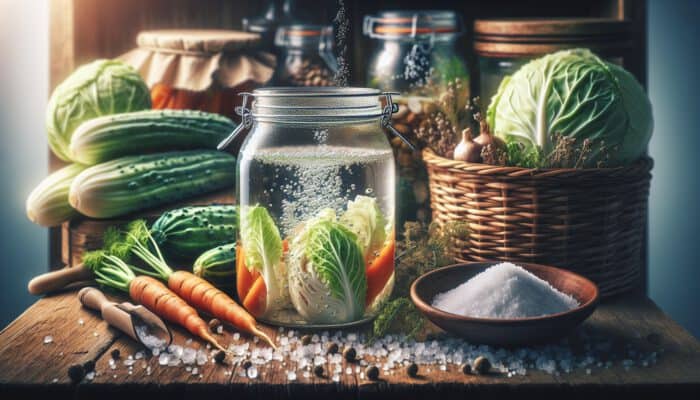
Mastering the art of fermentation begins with understanding the key ingredients that play a crucial role in the process. The primary components include salt, water, and fresh vegetables. These elements work together to create an ideal environment for beneficial probiotics to thrive. Achieving the perfect salt concentration—typically between 2-3% by weight—not only ensures safety but also enhances the overall flavour profile of the fermented product. This magical process of fermentation can be easily undertaken at home, making it an accessible culinary adventure for everyone.
The natural sugars found in fresh vegetables are vital for the fermentation process, while salt serves as a preservative, fostering the growth of healthy bacteria while keeping harmful microorganisms at bay. It's important to remember that the quality of your ingredients will directly impact the final outcome of your ferments. Always opt for organic and seasonal produce to maximize both flavour and health benefits.
To embark on your fermentation journey, start with classic vegetables like cabbage, carrots, or cucumbers, which are known for their excellent fermentation properties. This technique not only preserves these vegetables, but it also amplifies their nutritional value, making it an exciting venture for any aspiring home cook.
What Types of Vegetables Are Most Effective for Fermentation?
Some vegetables are particularly well-suited for the fermentation process due to their natural sugar content and robust texture. Vegetables that are rich in natural sugars, such as carrots, beets, cabbage, and radishes, shine in this time-honored preservation method. When fermented, these vegetables not only promote gut health but also introduce a complex array of flavours that can elevate any dish.
For those new to fermentation, cabbage is an excellent starting point, as it can be easily transformed into traditional sauerkraut. Similarly, cucumbers can be pickled to create zesty pickles that provide a delightful crunch. Fermented beets develop a sweet and tangy flavour profile that pairs wonderfully with a variety of meals. Combining these vegetables with herbs and spices like dill or garlic can yield delightful and unexpected taste experiences.
Experimenting with different combinations of vegetables can be an exciting learning experience. For example, consider fermenting a blend of carrots and ginger for a refreshing twist, or mix cabbage with beets for a vibrant mixture that bursts with colour and flavour. This exploration not only hones your fermentation skills but also expands your culinary repertoire.
How to Create an Ideal Fermentation Environment?
Establishing a clean and organized workspace is paramount for successful fermentation. Begin by thoroughly washing your hands, tools, and surfaces that you will be using. This essential step ensures that your fermentation process yields safe and delicious results.
Assemble your necessary tools, including jars, cutting boards, and utensils, and create a designated area for fermentation. This space should be cool, dark, and shielded from direct sunlight, as exposure to light can adversely affect the fermentation process. Centralizing your equipment will streamline your efforts and minimize the risk of cross-contamination.
Moreover, it is advisable to label your jars and maintain notes on the types of vegetables and methods used. This documentation will assist you in tracking progress and refining your techniques over time, transforming the art of fermentation into a more intuitive and enjoyable practice.
What Equipment Do You Need for Successful Fermentation?

Essential Tools for Beginner Fermenters
Starting your fermentation journey requires a set of essential tools that will help you achieve consistent results and make the process enjoyable. The core items you will need include jars, weights, and utensils. Glass jars are the preferred choice for fermentation due to their durability, non-reactive nature, and the ability to visually monitor your ferments.
Weights, which are typically placed inside the jar, are crucial for keeping vegetables submerged under the brine. This prevents air exposure, which can lead to spoilage. A reliable set of utensils, such as a knife and cutting board, is essential for preparing your vegetables. Choose items that are easy to clean to maintain hygiene throughout the fermentation process.
Investing in high-quality tools will provide long-term benefits, enhancing your fermentation experiences and making the entire process more efficient. As you gain confidence, you may be inclined to explore additional equipment tailored to your specific fermentation endeavors.
How to Choose the Right Containers for Fermentation?
Selecting the right containers is vital for successful fermentation. Opt for durable, non-reactive vessels, such as glass or food-grade ceramic, to ensure that your ferments develop without adverse reactions. The size of the container should correspond to the amount of ingredients you plan to ferment, providing sufficient space for gases to escape during the process.
Glass jars with airtight lids are especially popular because they allow you to monitor the fermentation while effectively sealing in flavors and aromas. Look for containers that accommodate fermentation weights, which are necessary for keeping your vegetables submerged. For larger batches, consider using fermentation crocks, specifically designed for this purpose and capable of holding several liters of vegetables.
Additionally, consider ease of cleaning; containers should be simple to disassemble and wash. A well-selected container can simplify the fermentation process and enhance your overall experience, boosting your confidence as you experiment with various recipes.
How to Maintain Hygiene for Successful Fermentation?

Adhering to strict hygiene standards is fundamental in fermentation to prevent spoilage and ensure successful outcomes. Start by thoroughly cleaning all your tools, including jars, weights, and utensils, using hot, soapy water, followed by a thorough rinse. You may also choose to sterilize your jars by submerging them in boiling water for a few minutes or running them through a dishwasher cycle on the highest setting.
Always wear clean clothing and wash your hands before handling ingredients. Since fermentation often involves the growth of beneficial bacteria, any unwanted contaminants can hinder your efforts and lead to spoilage. Regularly inspect your tools and workspace for residues or build-up, and clean as you go to maintain a tidy environment.
Establishing a routine for cleanliness will boost your confidence in the process and contribute to the overall quality of your ferments. Remember, good hygiene practices are essential to successful fermentation.
Key Monitoring Tools for Optimal Fermentation Results
To achieve the best fermentation results, incorporating monitoring tools is essential. Devices such as thermometers and pH meters provide critical insights into the conditions affecting your ferments. Tracking temperature is particularly vital, as fluctuations can significantly influence the fermentation process, affecting both flavor and safety.
A thermometer enables you to monitor the ambient temperature in your fermentation area, ensuring it remains within the ideal range for the specific vegetables you are fermenting. Most vegetables thrive at temperatures between 18 and 24°C (65 and 75°F). If you are fermenting in a warmer climate, consider utilizing a cooler spot or insulating your jars to better regulate temperature. A pH meter can also enhance your fermentation outcomes by helping you assess the acidity of your ferments. A safe pH range of 3.5 to 4.5 is generally considered suitable for most vegetables. Regular monitoring will allow you to fine-tune your fermentation practices, resulting in consistently delicious outcomes.
Additional Accessories to Streamline Your Fermentation Process
A variety of additional accessories can enhance your fermentation experience, making it more efficient and enjoyable. Items such as airlocks, fermentation crocks, and cheesecloths are particularly beneficial. Airlocks are designed to allow gases produced during fermentation to escape while keeping contaminants out, ensuring clean and successful ferments every time.
Fermentation crocks provide greater capacity for batch fermentation, allowing you to accommodate multiple jars of vegetables simultaneously. They often come with weights built into the lid or as separate components, making it easy to keep your vegetables submerged. Cheesecloths can be used to cover jars while allowing airflow, preventing dust and insects from contaminating your ferments.
- Airlocks for gas release
- Fermentation crocks for larger batches
- Cheesecloths for breathable coverage
- Fermentation weights for keeping vegetables submerged
- Labels for tracking your ferments
Choosing durable and user-friendly accessories will simplify your fermentation process and enhance the quality of your final products, making them more enjoyable to create and consume.
Insights into Advanced Fermentation Techniques
Perfecting Brining Techniques for Flavor Development
To elevate your fermentation skills, diving into advanced brining methods is essential. Brining, or soaking vegetables in a saltwater solution, is crucial for developing rich flavors and ensuring safety. Understanding the proper salt concentration is key to successful brining. For most vegetables, a 2-3% salt brine by weight is recommended, fostering the growth of beneficial bacteria while inhibiting spoilage.
When preparing brine, always dissolve the salt in water before adding it to your vegetables. Feel free to experiment with various types of salt, such as sea salt or kosher salt, to see how they influence flavor. To add complexity to your ferments, consider infusing your brine with spices, herbs, or even fruits to create unique profiles that showcase your culinary creativity.
- Start with a 2-3% salt concentration.
- Dissolve salt in water before adding vegetables.
- Experiment with different salts for enhanced flavor.
- Infuse brine with herbs and spices for added complexity.
Another advanced technique involves layering brining with flavoring agents. For instance, after adding the initial brine, you can introduce garlic, bay leaves, or dill to create a more intricate flavor profile. This method not only enhances taste but also personalizes your ferments, reflecting your creativity in the kitchen.
How to Evaluate the Progress of Your Fermentation?
Monitoring the fermentation process is vital for achieving the desired results. Keep track of changes in texture, flavor, and aroma as your vegetables ferment. Regularly sample your ferments to determine when they have reached your preferred level of sourness. This hands-on approach not only deepens your understanding of the fermentation process but also allows you to adjust variables as necessary.
Pay attention to bubbles and the appearance of your ferment; these signs indicate active fermentation. You may notice the brine becoming cloudy or the vegetables rising to the surface. If this occurs, make sure they remain submerged to prevent spoilage. Adjusting the temperature or salt concentration can help if you find the fermentation progressing too quickly or too slowly.
Maintaining a fermentation journal to document your observations will help you refine your techniques over time. By noting the conditions, ingredient ratios, and outcomes, you will gain a deeper understanding of what works best for you, paving the way for consistently high-quality ferments.
What Influences Flavor Development in Fermentation?
Several factors play a significant role in flavor development during fermentation, with temperature and time being the most crucial. The temperature at which your vegetables ferment can greatly impact the speed of fermentation and the resulting flavor profile. Warmer temperatures encourage faster fermentation but may sometimes yield excessively sour flavors. Conversely, cooler temperatures slow down the process, allowing for more nuanced flavors to develop.
Time is another essential element; the longer your vegetables ferment, the more pronounced the flavors become. However, this can lead to overfermentation if not monitored closely. Regularly checking your ferments and tasting them at different intervals will help you identify the optimal timing for achieving the best flavor development.
Experimenting with different fermentation times and temperatures can yield exciting outcomes, especially when working with various vegetable combinations. For example, fermenting beets for a shorter duration may result in a sweeter taste, while a longer fermentation could enhance earthiness. Understanding these factors will empower you to create tailored flavors that suit your palate.
How to Address Common Fermentation Challenges?
Recognizing Signs of Spoilage in Your Ferments
Identifying spoilage signs early can save your batch and ensure future success. Common indicators include unpleasant smells, unusual colors, and visible mold. A healthy ferment should exhibit a pleasant, tangy aroma, while spoilage often results in foul, rancid odors. If you notice any unexpected colors or surface fuzz, it is crucial to address them immediately.
In many cases, surface mold can be removed without compromising the entire batch. Simply scrape away the mold and ensure that your vegetables remain submerged in the brine. However, if you detect a sour or off-putting smell, it is safer to discard the entire batch to avoid potential health risks.
Maintaining a vigilant eye during fermentation and understanding the expected sensory cues will help you identify spoilage early, allowing you to salvage batches and improve your future culinary efforts.
Why Do Some Fermentation Attempts Fail?
Understanding why fermentation sometimes fails is crucial for improving your technique. Common culprits include improper sealing of containers and fluctuations in temperature, which can compromise the fermentation environment. If your jars are not sealed properly, exposure to air can lead to spoilage instead of the desired fermentation. Always ensure that your lids are secure and that airlocks are functioning correctly.
Temperature is also a significant factor; if your environment fluctuates excessively, it can disrupt the fermentation process. For instance, a sudden drop in temperature can slow fermentation, while excessive heat may lead to over-fermentation. Closely monitoring your fermentation conditions allows for swift adjustments, ensuring a successful outcome.
When challenges arise, view them as valuable learning experiences. Take note of what went wrong and document these challenges to refine your techniques. This proactive approach will enhance your understanding of fermentation and improve your control over the process.
How to Adjust for Inconsistent Fermentation Results?
Inconsistency in fermentation can often be traced back to variables such as salt levels, temperature, or ingredient quality. One effective strategy for achieving uniformity is fine-tuning your salt concentration. Experiment with minor adjustments, as even a slight change can significantly impact the flavor and safety of your ferments.
In addition to salt, consider the quality and freshness of your vegetables. Older or damaged produce may ferment inconsistently, leading to unexpected flavors or spoilage. Always source the freshest ingredients to achieve the best results.
Consistency in temperature is also vital. If you notice that some batches ferment more quickly than others, consider utilizing a thermometer to monitor the environment and make adjustments as necessary. By focusing on these adaptable solutions, you can ensure reliable outcomes even with minor variations in your processes.
How to Prevent Over-Fermentation?
Preventing over-fermentation is essential for maintaining the quality and flavor of your vegetables. Regular monitoring is key; observe bubbles, pH changes, and taste profiles to gauge progress. If you find your ferment becoming overly sour, it is important to intervene. Cooling the jars or relocating them to a cooler area can help slow fermentation.
Another effective method is to frequently taste your ferments. Developing a habit of sampling will assist you in determining the right moment to bottle or store them. If the flavors begin to veer into undesirable territory, it is best to remove them from the fermentation environment to prevent spoilage.
Utilizing visual cues, such as bubbles and overall appearance, can also inform your decisions. By remaining attentive and proactive, you can maintain a harmonious balance, resulting in delicious outcomes in your home preserving adventures.
Research-Backed Benefits of Fermentation
How Does Fermentation Contribute to Gut Health?
Fermentation has a significant positive impact on gut health by generating probiotics. These beneficial bacteria enhance digestion and bolster immunity, helping to maintain a balanced gut microbiome. Incorporating fermented foods into your daily diet can provide a powerful boost to your overall health and well-being.
To fully harness these benefits, aim to include a variety of fermented foods in your meals. This could encompass homemade sauerkraut, kimchi, kefir, and yogurt. By diversifying your intake, you expose your gut to a broader range of probiotics, further supporting digestive health.
Additionally, strive to consume fermented foods daily, even in small portions, to cultivate a thriving gut ecosystem. This simple addition can yield significant long-term advantages, enhancing not just digestion but your overall vitality and health.
What Nutritional Benefits Do Fermented Foods Provide?
Fermented foods offer remarkable nutritional advantages, primarily by improving the bioavailability of vitamins and enzymes. The fermentation process breaks down complex nutrients into simpler forms, making them easier for the body to absorb. For example, fermentation enhances the bioavailability of vitamins such as B, C, and K, enriching your meals with essential nutrients.
Moreover, fermented foods are abundant in enzymes that facilitate digestion, promoting a healthier gut. These benefits extend beyond the fermentation process itself; incorporating these foods into your diet can lead to improved nutrient absorption over time.
- Enhanced vitamin C levels
- Increased B vitamins
- Stronger vitamin K presence
- Improved digestibility of nutrients
Integrating fermented foods into your meals is a simple yet effective strategy for maximizing health benefits. Experiment with adding them to salads, sandwiches, or as side dishes to elevate your overall nutritional profile.
What Are the Long-Term Health Benefits of Consuming Fermented Foods?
The long-term health impacts of regularly consuming fermented foods can be profound, contributing to sustained energy levels and overall wellness. Regular intake of probiotics has been associated with various health benefits, including enhanced immune function and reduced inflammation, leading to a healthier lifestyle.
Furthermore, fermented foods can aid in weight management by improving feelings of fullness and aiding digestion. This, in turn, can enhance nutrient absorption, further promoting energy balance and vitality. As you increase your consumption of fermented foods, you may experience heightened energy levels and diminished digestive discomfort.
Embracing a lifestyle that includes regular consumption of fermented foods is a universal strategy for promoting ongoing health benefits. Over time, these habits can lead to a more robust immune system, improved digestion, and overall well-being.
What Are Some Advanced Fermentation Techniques?
Exploring the Art of Wild Fermentation
Wild fermentation, which utilizes the naturally occurring yeasts and bacteria present in the environment, opens up an exciting realm of flavor and texture possibilities. This method does not depend on commercial starters, allowing the unique characteristics of your surroundings to dictate the outcome. By harnessing the power of ambient conditions, you can create truly unique ferments that reflect your local ecosystem.
To initiate wild fermentation, select fresh, organic vegetables and prepare them in the same manner as you would for traditional fermentation. Simply salt and pack them into jars, allowing natural fermentation to unfold. This method may take longer, as it relies on the local microbial environment, but the results can be extraordinarily gratifying.
Experiment with various vegetables and ambient conditions, noting how different factors influence the flavor profile. Wild fermentation encourages creativity and exploration, producing exceptional, personalized outcomes that tell the story of your locality.
How to Innovate with Flavors During Fermentation?
Experimenting with flavors during fermentation can yield exciting, tailored results. One of the best approaches to achieve this is by incorporating various herbs, spices, and even fruits into your brine or alongside your vegetables. This experimentation allows you to create unique flavor profiles that reflect your culinary preferences.
Start by adding small amounts of spices, such as ginger, garlic, or chili, to your ferments. You can also experiment with fruits like apples or pears to introduce sweetness and complexity. Regular tastings during fermentation will help you understand how the flavors develop and guide you toward achieving the ideal balance.
Documenting your experiments will facilitate learning and refinement over time. By keeping notes on successful combinations and those that did not work, you will build a repository of proven recipes. This method not only enhances your skills but also brings joy to the art of fermentation.
Scaling Up Your Fermentation Projects for Greater Yield
Scaling up your fermentation projects can be both thrilling and a bit daunting. The key to success lies in adapting your existing techniques for larger quantities while ensuring consistency throughout the process. Begin by multiplying your ingredient ratios appropriately, maintaining the same salt concentration and brine recipe to ensure the integrity of your ferments.
When working with larger volumes, consider using fermentation crocks or multiple jars to accommodate the increased batch size. This approach allows for better control over the fermentation environment and helps maintain uniformity across the batch.
- Maintain consistent salt levels.
- Use fermentation crocks for larger quantities.
- Prepare brine in bulk for efficiency.
- Monitor temperature closely during fermentation.
Keeping a close watch on your fermentation's progress is vital; larger batches may require more time to develop flavors, necessitating patience and regular oversight. By adapting your approach, you can enjoy the process of scaling up and discover new levels of creativity in your fermentation practice.
Implementing Effective Temperature Control Techniques
Precise temperature management is essential in advanced fermentation, as it directly impacts yeast activity and flavor development. Utilizing tools such as digital thermometers, water baths, and insulated chambers can help maintain optimal conditions for your ferments. Each type of vegetable may have an ideal temperature range, and even minor fluctuations can produce vastly different results.
Using a water bath can create a stable thermal environment, preventing drastic temperature changes that could disrupt fermentation. Insulated containers can also protect against external temperature fluctuations, ensuring consistent conditions throughout the process.
Experimenting with different temperature profiles can yield desired outcomes, allowing you to craft complex flavors in your ferments. By closely monitoring and adjusting the temperature, you can enhance the complexity and quality of your products while preventing spoilage.
Implementing Safety Protocols for Successful Fermentation
Prioritizing safety during fermentation is critical, especially as you explore more advanced methods. Implementing strict hygiene practices and monitoring for signs of contamination will contribute to successful fermentation. Always begin with clean tools and ingredients, and wear gloves when necessary to minimize the risk of introducing unwanted bacteria.
Using appropriate equipment to manage gases and pressures is also crucial, particularly when working with large batches or experimenting with unique fermentation methods. Ensure that your containers are suitable for fermentation and can withstand any pressure build-up.
Learning to identify and resolve common issues, such as off-flavors or stalled ferments, will bolster your confidence and refine your skills. As you innovate with new methods, remember that safety should be at the forefront of your fermentation practice to ensure both enjoyable and successful outcomes.
Storing and Savoring Your Fermented Creations
Optimal Storage Techniques for Fermented Foods
Implementing effective storage techniques is vital for preserving the freshness and potency of your ferments. Once fermentation is complete, transfer your vegetables to a cool, dark location to halt the fermentation process. This step helps maintain their flavor and nutritional value over time.
Ensure that your jars are airtight to prevent spoilage and contamination. Sealing and labeling your jars will help you keep track of what you have on hand and when it was prepared. This practice not only enhances organization but also improves your ability to monitor the freshness of your ferments.
By adhering to these basic storage principles, you can extend the shelf life of your creations, allowing you to savor your delicious results for weeks or even months. Enjoying your ferments becomes a delightful experience when you know they are stored correctly.
Incorporating Ferments into Your Daily Meals
Integrating your homemade ferments into everyday meals is a delicious way to enhance nutrition and flavor. Fermented vegetables can be added to salads, sandwiches, and bowls, providing a tangy crunch that harmonizes with a wide array of dishes. Their versatility encourages creativity, allowing you to experiment with different combinations to discover your favorites.
For instance, try adding sauerkraut to a hearty sandwich for added texture and flavor, or mix kimchi into a stir-fry for a spicy kick. You can also blend fermented vegetables into sauces or dressings for a unique twist on classic recipes. The health benefits they contribute to your meals make them enjoyable and a wise choice for your overall diet.
Exploring creative uses for your ferments will enrich your culinary repertoire, allowing you to appreciate the full potential of your creations while contributing to a balanced, nutritious diet.
Strategies for Extending the Shelf Life of Your Ferments
Maximizing the shelf life of your ferments is essential for enjoying them over an extended period. To achieve this, focus on optimal storage conditions and consistent monitoring. Keep your ferments in a cool, dark place and ensure they are sealed tightly to prevent exposure to air, which can lead to spoilage.
Regularly check your ferments for any signs of spoilage, such as off smells or unusual colors. If you notice any changes, address them promptly to maintain the quality of your products. Adopting simple practices, such as labeling with dates and rotating jars, can help you stay organized and ensure that you enjoy your ferments at their best.
With the right storage techniques and attention to detail, you can keep your ferments vibrant and safe for consumption, allowing you to savor the fruits of your labor for months to come.
Common Questions About Fermentation Answered
Which vegetables can be fermented?
You can ferment a variety of vegetables, including cabbage, cucumbers, carrots, radishes, and beets. These vegetables possess natural sugars and textures that make them ideal candidates for fermentation.
What is the recommended fermentation duration for optimal results?
Fermentation time can vary based on the type of vegetable and the desired flavor. Generally, a fermentation period of 1-4 weeks is common. Regularly taste your ferments to identify your preferred level of sourness.
What is the ideal temperature range for fermentation?
The optimal temperature for fermentation typically falls between 18 to 24°C (65 to 75°F). Maintaining a consistent temperature within this range fosters beneficial bacterial growth while preventing spoilage.
Can iodized salt be used in fermentation?
It is best to avoid iodized salt for fermentation, as it can inhibit the growth of beneficial bacteria. Instead, choose sea salt or kosher salt, as these options are free from additives and yield better results.
How can I tell if my ferment has gone bad?
Signs of spoilage include unpleasant smells, unusual colors, or visible mold. If you observe any of these indicators, it is safest to discard the batch to avoid potential health risks.
Can fermentation brine be reused?
You can reuse brine for a second batch of similar vegetables, but ensure that it still maintains a safe salt concentration and is free from contamination. Reusing brine may result in less vigorous fermentation, so monitor the process closely.
Is fermentation safe for everyone to consume?
Fermentation is generally safe for most individuals, but those with compromised immune systems or specific health conditions should consult a healthcare professional before consuming fermented foods.
How can I enhance the flavor of my ferments?
You can improve the flavor of your ferments by adding herbs, spices, or fruits to the brine or alongside the vegetables. Experiment with various combinations to create unique and personalized flavors.
What differentiates wild fermentation from using starter cultures?
Wild fermentation relies on the naturally occurring yeasts and bacteria from the environment, while starter cultures utilize specific strains of bacteria to initiate fermentation. Wild fermentation can yield more varied flavors, while starter cultures offer more predictable outcomes.
What is the best way to store my fermented vegetables?
Store your fermented vegetables in a cool, dark place, ideally in airtight jars. Proper storage methods will help extend shelf life and maintain the quality of your ferments.
Join Us on Facebook to Connect!
The post How to Ferment Vegetables Like a Pro: Beginner Tips appeared first on https://cookinggods.com



No responses yet