Mastering the Fundamentals of Equity Curve Analysis
What Exactly Is an Equity Curve?
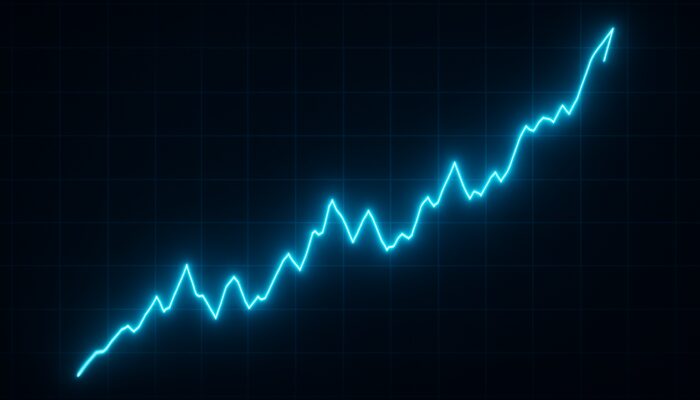
An equity curve is a graphical representation that showcases the total profit or loss of a trading account over a specified period. This visual tool allows traders to analyze performance trends effectively. By closely examining the shape and movements of the curve, traders can assess the effectiveness of their trading strategies in a clear and defined manner.
The equity curve is essential for monitoring trading performance and spotting significant fluctuations in account value. This insight becomes particularly valuable during times of market volatility, when emotional reactions can obscure rational decision-making. By focusing on the equity curve, traders can make informed decisions based on data rather than impulses driven by fear or greed.
Ultimately, an equity curve is more than just a visual aid; it is a vital tool for ongoing assessment and strategic evaluation. It illustrates a trading strategy’s performance over time, empowering traders to adjust their approaches based on solid performance data.
Essential Components of an Effective Equity Curve
The key elements that contribute to a successful equity curve include initial capital, periods of drawdown, and recovery phases. The initial capital serves as a baseline for performance evaluation, while drawdown periods highlight times when the account value decreases. Recovery phases are critical for understanding how quickly and effectively a trader can bounce back from losses, providing valuable insights into strategy resilience.
By tracking these components, traders can maintain a clear understanding of their trading results. For instance, a trader who experiences a significant drawdown but recovers quickly demonstrates a robust strategy. Conversely, prolonged drawdowns without recovery may indicate fundamental issues that require attention.
Analyzing these elements allows traders to accurately gauge their progress. This comprehensive understanding ensures that they do not overlook crucial fluctuations in account value, keeping them informed about their trading performance and prepared for necessary adjustments.
Visualization Techniques to Enhance Equity Curve Analysis
Several charting techniques can effectively highlight critical facets of equity curves. Common methods include line charts, bar charts, and area charts, each providing unique insights into trading performance. Line charts offer a straightforward view of profit or loss trends over time, while bar charts present individual trade outcomes with greater clarity.
Incorporating moving averages can also be beneficial, as they smooth out volatility and facilitate the identification of long-term trends. Enhancing visual representations with performance metrics, such as drawdown, can add further context to the equity curve.
The benefits of equity curve analysis include:
- Clear visualization of trading performance
- Identification of trends and patterns
- Enhanced decision-making capabilities
- Improved insights into risk management
How Does Equity Curve Analysis Enhance Trading Strategies?
How Do Upward Trends Indicate Strategy Success?
Consistent upward movement in an equity curve indicates successful execution of a trading strategy and a positive expectancy across multiple trades. This upward trend serves as confirmation of a trading strategy’s ongoing effectiveness, instilling confidence in traders regarding the continuation or expansion of their current methods.
Identifying these trends provides essential insights into market conditions and the adaptability of strategies. A consistent upward trend signifies that a trader is effectively capitalizing on market opportunities while managing risks appropriately, which leads to better decision-making and strategic adjustments.
Traders can use upward trends to set performance benchmarks and goals. By analyzing the growth rate and stability of the equity curve, they can refine their strategies to maximize profitability, ensuring they remain competitive in a dynamic trading environment.
Why Are Drawdowns Critical for Risk Assessment?
Understanding periods of decline in an equity curve is vital for evaluating risk tolerance and the robustness of trading strategies. Drawdowns represent the peak-to-trough movements within the curve and provide insight into the amount of capital a trader is willing to risk, as well as their emotional resilience during challenging market conditions.
Assessing drawdowns allows traders to gain a clearer understanding of their strategies’ vulnerabilities. For example, a significant drawdown may indicate that a strategy is overly aggressive or poorly suited to current market dynamics. Recognizing this enables traders to make necessary adjustments to their strategies.
Being aware of drawdowns helps traders set realistic expectations and mentally prepare for inevitable market fluctuations. Developing strategies that consider potential drawdowns can lead to more sustainable trading practices and improved long-term performance.
How to Integrate Performance Metrics with Equity Curves
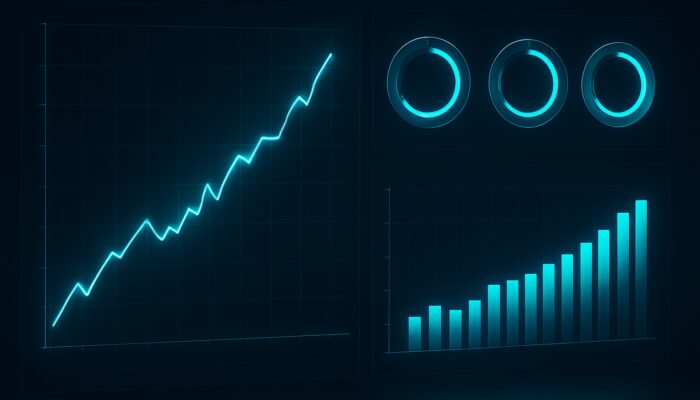
Combining equity curves with performance metrics such as win rate and profit factor creates a more comprehensive evaluation framework. This integration uncovers hidden strengths and weaknesses within trading strategies, enabling a more nuanced analysis and informed decision-making.
For instance, a high win rate combined with a low profit factor may suggest frequent successful trades without sufficient profitability. In contrast, a lower win rate but a high profit factor might indicate a selective yet more rewarding strategy. Understanding these dynamics allows traders to refine their strategies effectively.
Incorporating diverse performance metrics into equity curve analysis also facilitates better benchmarking against industry standards or personal performance targets. By establishing clear performance indicators, traders can monitor their progress and make informed adjustments to enhance their trading strategies over time.
Insights from Experts on Equity Curve Analysis
What Advanced Analytical Techniques Can Be Used?
Advanced methods such as regression analysis and Monte Carlo simulations provide deeper insights into equity curve behavior and variability. Regression analysis helps identify relationships among various trading variables, shedding light on how changes in strategy impact performance over time.
Monte Carlo simulations allow traders to model different market scenarios, offering a statistical foundation for understanding potential outcomes. By simulating thousands of trades under varying conditions, traders can evaluate the likelihood of various performance metrics, including drawdowns and recovery times.
Real-world applications of equity curve analysis can be observed in hedge funds and institutional traders who employ these techniques to refine their trading strategies. By leveraging advanced analytical methods, traders can gain a competitive edge and make data-driven decisions that improve performance.
Tools for Comprehensive Risk Assessment
Sophisticated tools for evaluating potential losses analyze curve volatility and maximum drawdown statistics. These resources enable traders to make precise adjustments to position sizing and overall portfolio exposure in line with their risk tolerance. Understanding equity curve volatility is essential for determining the level of risk traders are willing to incorporate into their strategies.
For instance, a trader may use tools to calculate maximum drawdown, assessing the worst-case scenario for their trading strategy. This information is crucial for developing risk management strategies that protect capital during unfavorable market conditions.
Integrating risk assessment tools into equity curve analysis empowers traders to make informed decisions regarding their strategies. This proactive approach allows them to navigate market fluctuations while focusing on long-term performance and sustainability.
How to Optimize Trading Strategies Using Feedback
Refining parameters based on feedback from equity curves leads to improved outcomes through iterative testing and validation. Traders can adjust their strategies based on insights gained from equity curve analysis, identifying areas for enhancement and optimization.
For example, if a trader consistently observes drawdowns during specific market conditions, they may choose to modify their strategy to mitigate these risks. This iterative process encourages continuous improvement and adaptation to evolving market dynamics.
The key advantages of this optimization strategy include:
- Enhanced strategy performance
- Increased adaptability to market shifts
- Improved risk management practices
- Greater confidence in trading decisions
What Common Pitfalls Should Traders Avoid in Equity Curve Analysis?
How to Avoid Misinterpreting Volatility
Sudden spikes or drops in an equity curve may be mistakenly viewed as strategy failures, when they may simply reflect normal market fluctuations. Misinterpretation of these movements can lead traders to make hasty adjustments to their strategies, potentially compromising long-term performance.
Understanding the context of these fluctuations is essential. Traders need to assess broader market conditions alongside their specific trading strategies to determine whether observed volatility signifies a failing strategy or merely represents the natural ebb and flow of the market.
By adopting a nuanced perspective on volatility, traders can avoid impulsive reactions that could disrupt their trading plans. This careful analysis helps maintain a balanced approach to strategy adjustments, ensuring that performance metrics are considered within their appropriate context.
Why Avoid Overfitting Strategies?
Overfitting strategies to historical data often results in unrealistic projections that struggle in live trading scenarios. This practice can create a false sense of security, leading traders to believe their strategies are more resilient than they truly are. It is crucial to remember that past performance does not guarantee future results.
Robust out-of-sample validation processes are essential for ensuring that strategies remain effective across varying market conditions. By testing strategies on unseen data, traders can better assess their robustness and adaptability, reducing reliance on overly customized approaches.
Being aware of the risks associated with overfitting can guide traders toward developing more sustainable strategies that perform well across diverse market scenarios. This awareness fosters a disciplined methodology for strategy development and testing.
How to Ensure Data Quality in Analysis
Inaccurate or incomplete trade records can distort the accuracy of the equity curve, leading to misleading conclusions about performance. Ensuring high data quality is critical for effective equity curve analysis, as even minor discrepancies can significantly impact results.
Traders should implement stringent data cleaning protocols before conducting analysis. This includes verifying trade entries, ensuring accurate timestamps, and reconciling discrepancies in account balances. High-quality data is vital for deriving meaningful insights from equity curves.
By prioritizing data integrity, traders can enhance the reliability of their analyses and make more informed decisions. This commitment to data quality ultimately supports better strategy development and performance evaluation.
Why Recognizing Maximum Drawdowns Is Essential
Neglecting to analyze the deepest declines in an equity curve can obscure significant risk exposure. Traders may overlook potential account-threatening losses that occur between peaks, fostering a false sense of security about their strategies’ robustness.
Incorporating detailed drawdown metrics into equity curve analysis is crucial for understanding potential risks. By examining maximum drawdowns, traders can assess their strategies’ vulnerability to adverse market conditions, leading to more effective risk management strategies.
This understanding can prompt traders to develop strategies that are better equipped to handle drawdowns. Recognizing the significance of maximum drawdowns enhances risk management practices and improves long-term performance.
How to Account for Costs and Slippage in Analysis
Equity curves that fail to include real-world trading expenses, such as commissions and market slippage, often present an overly optimistic view of performance. This disconnect from actual results can mislead traders into making misguided decisions based on inflated expectations regarding their strategies.
Accurately accounting for all cost factors in equity curve analysis is critical. By considering commissions, spreads, and slippage, traders can achieve a more realistic understanding of their performance. This insight helps them develop strategies that are sustainable and reflective of their actual trading conditions.
By factoring in the impact of costs and slippage, traders can refine their strategies to enhance profitability. This comprehensive approach to equity curve analysis leads to better decision-making and improved overall trading performance.
Demonstrable Benefits of Equity Curve Analysis
What Statistical Validation Techniques Are Available?
Proven statistical methods validate the reliability of equity curves through hypothesis testing and confidence intervals. These techniques provide traders with a framework for evaluating the credibility of their equity curves, ensuring that decisions are based on reliable data.
Implementing statistical validation methods involves conducting tests to determine whether observed performance metrics are statistically significant. This process helps traders assess the likelihood that their strategies will continue to perform well in the future, minimizing reliance on random chance.
Incorporating statistical validation into equity curve analysis bolsters traders’ confidence in their strategies. This rigorous approach supports informed decision-making and fosters a disciplined trading mindset.
Why Long-Term Performance Assessment Matters
Regular monitoring of equity curves reveals the true durability of strategies beyond short-term results. This long-term perspective enables traders to differentiate between temporary setbacks and fundamental issues within their trading approaches.
By consistently analyzing equity curves over extended periods, traders can identify trends and patterns that may not be apparent in shorter time frames. This comprehensive view empowers them to make well-informed adjustments to their strategies, facilitating long-term success.
Recognizing the importance of long-term performance tracking encourages traders to adopt a patient and disciplined approach. This mindset can lead to improved decision-making and better overall trading outcomes.
How to Utilize Frameworks for Comparative Analysis
Comparing equity curves side-by-side across different periods or strategies uncovers relative strengths. This comparative analysis supports evidence-based refinements and enhances decision-making, allowing traders to identify which strategies perform best under varying market conditions.
For example, evaluating equity curves from different trading strategies can highlight which approaches are more effective in specific market environments. This information guides traders in selecting the most appropriate strategies for their trading styles and objectives.
By employing comparative analysis frameworks, traders can enhance their strategic decision-making. This analytical approach fosters continuous improvement and adaptability in a constantly changing market landscape.
How to Analyze Drawdowns and Recovery Effectively
A thorough examination of equity curves under various market conditions demonstrates their value in quantifying downside risks and potential rewards. Metrics such as maximum drawdown and recovery periods provide traders with essential insights into the risk-reward profiles of their strategies.
Understanding drawdown and recovery metrics allows traders to evaluate their strategies’ resilience. For instance, a strategy that experiences a significant drawdown but recovers quickly may be more appealing than one with smaller drawdowns that take longer to rebound.
By prioritizing drawdown and recovery analysis, traders can develop more robust strategies that are better equipped to withstand market fluctuations. This proactive methodology enhances long-term performance and fosters greater confidence in trading decisions.
Why Is Regular Review of Equity Curves Crucial for Traders?
How to Effectively Time Strategy Adjustments
Regular reviews of equity curves enable timely adjustments to strategies based on emerging patterns. This proactive stance helps prevent minor issues from escalating into significant account problems, ensuring traders remain vigilant in managing their strategies.
By consistently analyzing their equity curves, traders can identify trends and shifts in performance. This awareness facilitates informed adjustments to their strategies, increasing their chances of long-term success.
Incorporating regular reviews into a trading routine promotes a disciplined approach to strategy management. This practice helps traders stay engaged with their performance and adapt effectively to changing market conditions.
Exploring the Psychological Benefits of Regular Review
Regular examination of equity curves boosts trader confidence by highlighting progress and resilience. This ongoing assessment minimizes emotional reactions to daily market fluctuations, allowing traders to maintain a more balanced view of their performance.
Recognizing that fluctuations in equity curves are a normal aspect of trading can assist traders in managing their emotions more effectively. By focusing on long-term trends instead of short-term volatility, they can cultivate a healthier mindset that supports consistent performance.
The psychological benefits of routinely reviewing curves extend beyond individual performance. By adopting a disciplined trading approach, traders can develop a more resilient mindset that enhances their overall trading experience.
How to Develop Models for Future Projections
Forward-looking models derived from historical curves assist traders in setting realistic goals and preparing contingency plans for various performance scenarios. These projections enable traders to anticipate potential challenges and develop strategies to navigate them effectively.
By analyzing past performance and identifying key trends, traders can create models that forecast future outcomes. This foresight empowers them to set performance benchmarks and adjust their strategies accordingly, enhancing their chances of success.
Incorporating future projection models into equity curve analysis promotes a proactive approach to trading. This mindset encourages better decision-making and prepares traders to adapt to evolving market conditions.
Monitoring Risk Exposure with Equity Curves
Consistent analysis of equity curves allows traders to accurately assess their risk levels. By identifying trends in drawdowns and recoveries, they can devise robust strategies for managing potential losses and enhancing long-term account stability.
Recognizing risk exposure is crucial for maintaining a balanced trading approach. By regularly reviewing their equity curves, traders can identify areas of overexposure and take corrective actions to mitigate risks.
This ongoing risk monitoring enables traders to develop more resilient strategies that can endure market fluctuations. By prioritizing risk management, they can improve their long-term performance and achieve greater trading success.
Incorporating Equity Curve Analysis into Everyday Trading Practices
Overview of Software and Tools for Equity Curve Tracking
Modern trading platforms come equipped with automated curve generation features that streamline tracking and provide real-time updates. These tools enhance the efficiency of daily workflows, allowing traders to focus on strategy development rather than manual data entry.
By utilizing software that automatically generates equity curves, traders can save time and reduce the risk of errors. This automation facilitates quick performance analysis, enabling informed decisions based on the most current data.
The availability of advanced tools empowers traders to elevate their equity curve analysis. By leveraging technology, they can streamline their trading processes and enhance overall performance.
How to Customize Analysis Parameters for Optimal Relevance
Adjusting parameters such as time frames and benchmark lines increases the relevance of equity curves to individual trading styles and objectives. By personalizing these settings, traders can ensure their analyses align with their specific strategies and performance goals.
For example, a day trader might concentrate on shorter time frames to capture rapid market movements, while a swing trader may prefer longer periods to assess overall trends. Customizing these parameters allows traders to gain insights that are more applicable to their unique trading methodologies.
This flexibility in configuration fosters a more tailored trading experience. By aligning equity curve analysis with personal goals, traders can make more informed decisions and enhance their overall performance.
Best Practices for Continuous Improvement in Trading
Ongoing refinement based on feedback from equity curves promotes skill development and consistency in achieving desired trading results. By regularly reviewing their performance, traders can identify areas for enhancement and implement changes to optimize their strategies.
This commitment to continuous improvement encourages traders to embrace a growth mindset. By viewing setbacks as opportunities for learning, they can cultivate more resilient strategies capable of adapting to changing market conditions.
Fostering a culture of continuous improvement in trading practices supports long-term success. By prioritizing skill development and strategy refinement, traders can enhance their overall performance and reach their trading objectives.
Answers to Frequently Asked Questions
What Is the Purpose of an Equity Curve?
An equity curve is a visual representation of the cumulative profit or loss of a trading account over time. It helps traders visualize their performance and assess the effectiveness of their trading strategies.
Why Is Equity Curve Analysis Important?
Equity curve analysis is crucial as it provides insights into a trader’s performance consistency, highlights drawdowns, and assists in evaluating the effectiveness of trading strategies over time.
How Can I Identify Upward Trends in My Equity Curve?
Upward trends indicate successful strategy execution and positive expectancy. They demonstrate that a trading strategy is performing well and can guide decisions on whether to maintain or expand the approach.
What Are Drawdowns, and Why Are They Significant?
Drawdowns signify periods of decline in an equity curve. They are essential for assessing risk tolerance and strategy robustness, helping traders identify potential vulnerabilities in their approaches.
How Can I Integrate Performance Metrics with My Equity Curve Analysis?
You can combine performance metrics such as win rate and profit factor with your equity curve to create a comprehensive evaluation framework, revealing strengths and weaknesses in your trading strategies.
What Common Mistakes Should I Be Aware of in Equity Curve Analysis?
Common pitfalls include misinterpreting volatility, overfitting to historical data, neglecting costs and slippage, and ignoring maximum drawdowns, all of which can lead to flawed conclusions about performance.
How Can I Ensure the Quality of Data in My Equity Curve Analysis?
To ensure data quality, implement strict data cleaning protocols, verify trade entries, and reconcile discrepancies in account balances before conducting equity curve analysis.
What Tools Are Available for Equity Curve Analysis?
Modern trading platforms offer automated curve generation features, enabling real-time updates and simplifying tracking processes. Tools like Excel can also assist in performance analysis.
How Often Should I Review My Equity Curves?
Regular reviews of equity curves should occur periodically, allowing traders to identify trends, make timely adjustments, and maintain a disciplined approach to strategy management.
What Role Does Continuous Improvement Play in Trading Success?
Continuous improvement fosters skill development and long-term consistency in achieving trading results. By refining strategies based on equity curve feedback, traders can enhance their overall performance.





No responses yet