If you are embarking on a building project, whether it’s an extension, a knock-down-rebuild, or any task involving excavation and machinery near existing structures, securing a dilapidation report before disturbing any soil is crucial. Our extensive experience with Brisbane sites has uncovered a recurring issue: after project completion, a neighbor identifies a crack they claim was not present before, and the responsibility falls on your project.
Short answer: A dilapidation report is a thorough documentation of the current condition of neighboring properties prior to your work, featuring dated photographs and detailed notes. If a damage claim arises later, you can prove what existed beforehand, typically resolving the matter before it escalates into a formal dispute.
At Zoom Building & Pest, we are a QBCC-licensed inspection company (QBCC licence 15279880) operating across Brisbane and the Moreton Bay region. Below, we outline why homeowners, builders, and developers prioritize obtaining a dilapidation report before starting their projects, along with critical protections that are often overlooked until the need arises.
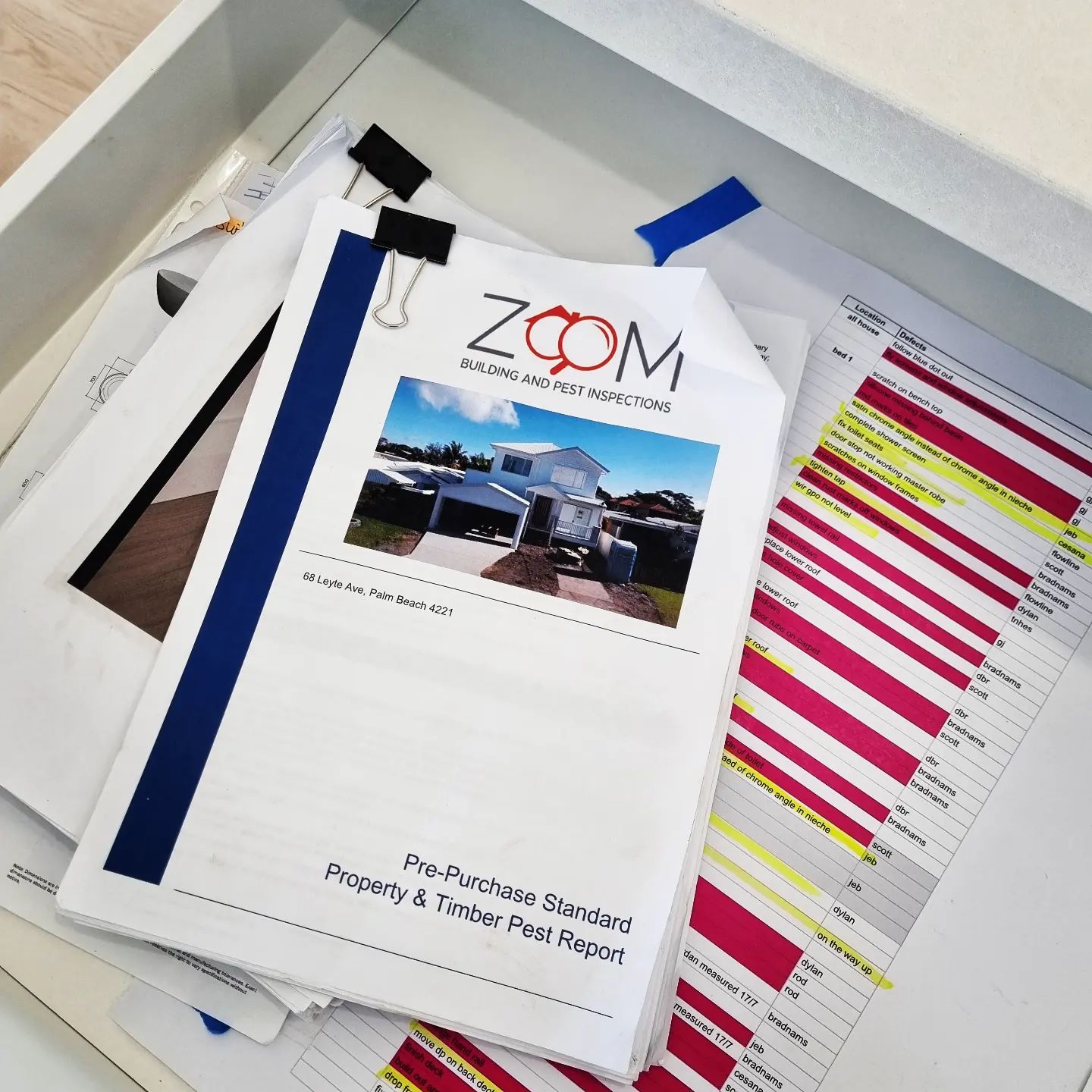
Essential Elements Included in a Dilapidation Report
A dilapidation report meticulously captures the existing condition of a property before construction or demolition begins. It documents issues such as cracks in walls and ceilings, slab movement, driveway and path conditions, and the state of fences and retaining walls. All findings are displayed through date-stamped photographs and clearly written notes. For larger projects, the report also includes neighboring properties that could be affected by vibrations from excavation, piling, or heavy vehicle movement. For more detailed insights on how this record can shield you from potential claims, check out our guide on the advantages of a dilapidation report.
Why You Should Acquire a Dilapidation Report Before Starting Construction
Protect Yourself from Unjust Damage Claims
When working near property boundaries, some level of movement or vibration is inevitable. Without a baseline record, you could find yourself in a predicament where it’s your word against that of your neighbor. A dilapidation report provides evidence that any cracks or issues were pre-existing, which usually diffuses the situation before it escalates into a claim.
Meet Local Approval Requirements
Brisbane local councils frequently require a dilapidation report as part of the development approval process, especially for projects near existing buildings, shared boundaries, or public infrastructure. Failing to secure this documentation when mandated may delay your approval. It’s wise to verify this requirement early in your planning to avoid last-minute complications.
Prevent Neighborhood Conflicts and QCAT Interventions
A dilapidation report acts as independent, dated evidence. When conflicts arise, having a clear before-and-after comparison can swiftly resolve most issues informally, keeping you out of lengthy QCAT disputes that could disrupt your project and impact your profit margins.
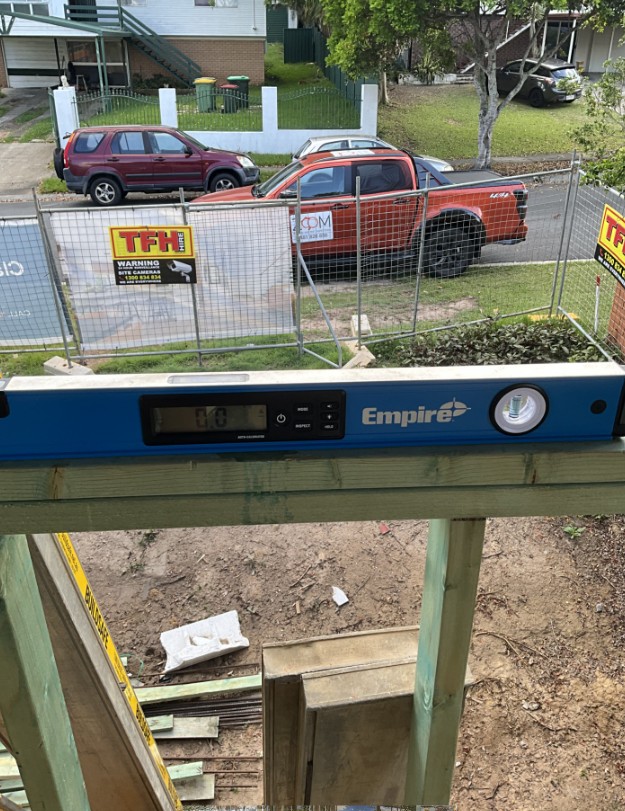
Benefits of Dilapidation Reports That Are Often Overlooked
Streamlines Insurance Processes
Insurance companies evaluating a construction project want to ensure that risks are managed effectively. A dilapidation report shows that you have documented the surrounding conditions before starting work, facilitating coverage arrangements and simplifying any future claims.
Protects Resale Value
If you plan to sell or refinance later, having a record that verifies the project was executed responsibly—alongside documentation of neighboring conditions and no unresolved damages—eliminates uncertainty for prospective buyers or lenders.
Builds Confidence Among Builders
An independent evaluation of the site before work begins ensures that your builder and any engineers share the same reference point. This establishes clear expectations from the outset and removes a common source of blame in case of any issues.
When to Schedule a Dilapidation Report
As a general guideline, obtain a dilapidation report before any activities that disturb the ground or may affect nearby structures:
- Before excavation or earthworks — digging, piling, and bulk earthworks present the highest risk for damage to neighboring properties.
- <a href="https://writebuff.com/how-to-remove-demolition-debris-from-your-home-in-brandonfl/">Before demolition</a> — even minor vibrations can propagate, making it vital to document nearby buildings before any walls are removed.
- In narrow or heritage streets — older buildings and shared walls are subject to increased scrutiny and stricter conditions.
- When mandated by the council or developer — if obtaining a dilapidation report is a condition of approval, non-compliance can hinder your project.
The Process with Zoom Building & Pest
The process is straightforward. You inform us of the scope and which properties need documentation, and we provide a quote based on the site’s size and complexity. Our team visits the location, thoroughly records the current conditions, and delivers a detailed written and photographic report that you can share with your builder, insurer, or council. With this report on file, you can proceed with your project, confident that your position is well-documented. To get started, request a quote or contact us at 0481 826 856.
Frequently Asked Questions About Dilapidation Reports
Zoom Building & Pest Inspections is owned and operated by Ben Nejad of B N Total Construction Pty Ltd — a QBCC-licensed building and pest inspection firm (QBCC licence 15279880) serving Brisbane and the Moreton Bay area. To schedule an inspection or request a report, call 0481 826 856 or obtain a quote through our website.
Original Article First Published At: Why Every Property Owner Should Get a Dilapidation Report Before Starting Construction
The Article: Dilapidation Reports: Essential for Property Owners Before Construction first appeared on https://writebuff.com





No responses yet