Learn the Key Principles of Drawdown in Crypto Trading
Understanding Drawdown and Its Critical Components
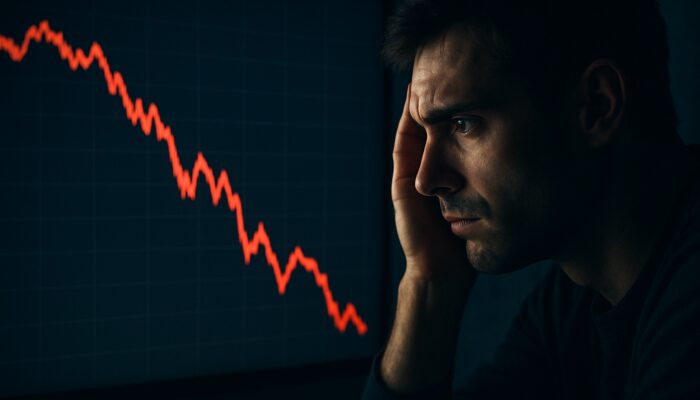

Drawdown is a vital metric in crypto trading, quantifying the decrease from the highest to the lowest value in a trader's portfolio over a designated timeframe. This essential measurement enables traders to gauge their risk exposure and evaluate their overall performance, guiding them towards making more informed decisions. For example, a 20% drawdown signifies that an investment’s value has significantly decreased from its peak, compelling traders to reassess their strategies and implement necessary modifications to bolster their resilience in an unpredictable market.
Understanding Various Types of Drawdown in Trading
In the realm of trading, different types of drawdown exist, including maximum drawdown, which measures the largest decline from peak to trough that an investment can endure. Comprehending these various types is crucial for assessing volatility and risk in crypto trading. Maximum drawdown plays a pivotal role in shaping comprehensive trading strategies, as it highlights potential losses that may occur during market downturns. This knowledge enables traders to prepare adequately and protect their investments from adverse market conditions.
What Factors Cause Drawdown Events in the Crypto Market?
Drawdowns can arise due to numerous factors influencing the dynamics of the crypto market. Recognizing these triggers equips traders with the ability to mitigate risks effectively. Common causes include:
- High market volatility and unexpected price fluctuations
- Panic selling driven by negative news or significant events
- Unforeseen regulatory changes affecting market sentiment
- Market manipulation or actions by large holders, frequently termed whale activities
Each of these elements can lead to substantial declines in portfolio value, underscoring the importance of traders maintaining vigilance and adapting their strategies to successfully navigate these challenges.
How is Drawdown Calculated in Crypto Trading?

Calculating drawdown in crypto trading involves applying specific formulas that unveil insights into portfolio declines. The most common methods include determining maximum and average drawdown. By accurately calculating these metrics, traders can effectively monitor their portfolios and make informed decisions concerning risk management and necessary investment adjustments, ultimately enhancing their trading performance.
Practical Strategies for Minimizing Drawdown Risk
Effectively reducing drawdown risk necessitates the implementation of practical strategies aimed at fortifying portfolio resilience within the dynamic landscape of crypto markets. Techniques such as diversifying investments across multiple digital assets, utilizing stop-loss orders to limit potential losses, and adjusting position sizes based on individual risk tolerance are essential. Each strategy contributes to a more robust trading approach, empowering traders with the confidence to endure market fluctuations while protecting their investments.
Insights from Experts on Comprehending Drawdown in Crypto Trading
Advanced Techniques for Measuring Drawdown Effectively

Experienced traders utilize advanced tools to meticulously track drawdowns, enhancing the precision of their analyses and decision-making processes. These sophisticated tools often employ various algorithms and analytical techniques to deliver real-time insights into portfolio performance. For instance, utilizing automated trading platforms can enable precise calculations and continuous monitoring of drawdown metrics, empowering traders to react promptly to changing market conditions and effectively safeguard their investments.
Understanding the Importance of Drawdown Awareness in Portfolio Management
Incorporating a thorough understanding of drawdown into portfolio management strategies is crucial for achieving a balanced approach to risk and reward. Experts advise that traders establish clear parameters for acceptable drawdown levels and adjust their investment strategies accordingly. By setting these limits, traders can maintain a focus on long-term stability and growth rather than becoming overwhelmed by impulsive reactions to transient market fluctuations.
Clearing Up Common Misconceptions About Drawdown
Several misconceptions about drawdown persist among traders, often leading to misguided decision-making. A prevalent myth is that drawdown solely indicates inadequate trading performance; however, it can also occur during healthy market corrections. For example, a trader may face a drawdown amid routine market adjustments, which should not be misconstrued as a complete failure of their strategy. Clarifying these misunderstandings is vital for traders to avoid mistakes that could exacerbate their losses and impede their overall success.
How Does Drawdown Operate Within the Crypto Trading Sphere?
Key Mechanisms that Drive Drawdown Events
Understanding the mechanics of how drawdown functions during price fluctuations is essential for effective risk management. A drawdown typically occurs when a cryptocurrency experiences a significant price drop from its peak, resulting in a decline in the trader’s portfolio. This phenomenon not only affects the numerical valuation of assets but also impacts trader psychology, potentially inciting panic selling or emotional decision-making that can further escalate losses.
The Impact of Drawdown on Trading Decisions
Drawdown significantly influences trading decisions, particularly within buy-and-hold strategies. When faced with a drawdown, traders may experience emotional responses that cloud their judgment. For instance, the fear of incurring further losses can compel traders to execute hasty sell-offs, negatively affecting their long-term performance. Understanding how to navigate these emotional triggers is crucial for improving overall trading outcomes and fostering a more disciplined trading environment.
Why is It Crucial to Monitor Drawdown Closely?
Consistently monitoring drawdown is vital for preventing substantial financial losses. By keeping a vigilant eye on drawdown patterns, traders can identify early indicators that suggest potential market declines. This proactive approach allows them to adopt protective measures, such as adjusting their investment strategies or reallocating assets, thereby minimizing the risks associated with drawdown events and enhancing their portfolio’s resilience.
Identifying the Factors that Affect Drawdown
The Effects of Market Volatility on Drawdown Events
Market volatility serves as a primary catalyst for drawdowns in cryptocurrency assets. Price instability can result in rapid and significant declines in portfolio value, making it crucial for traders to anticipate and react to fluctuations effectively. Understanding the relationship between market events and drawdowns empowers traders to formulate strategies that protect their investments during periods of heightened volatility.
The Influence of Trader Behavior and Common Mistakes
Psychological factors play a significant role in the occurrence of drawdown events. Common errors, such as overtrading driven by emotional impulses, can amplify losses during downturns. To encourage a disciplined trading approach, traders should adopt strategies that emphasize emotional regulation, such as establishing predefined trading rules and consistently adhering to them, regardless of prevailing market conditions.
How Do External Influences Affect Drawdown in Crypto Trading?
External factors can substantially impact drawdown in the realm of crypto trading. Elements such as asset correlations—where the performance of one cryptocurrency affects another—can create cascading effects that contribute to increased drawdown. By comprehending these dynamics, traders can navigate the complex interplay among crypto market variables and make informed decisions to mitigate associated risks.
What Are the Risks Linked to Drawdown?
The Risk of Significant Capital Loss in Crypto Trading
Drawdown poses considerable financial risks for traders operating in the crypto market. In extreme cases, the potential for capital loss can be substantial, particularly when recovery becomes challenging. To safeguard against these risks, traders should consider implementing strategies such as:
- Diversifying their investments across various cryptocurrencies
- Utilizing stop-loss orders to cap potential losses
- Establishing clear exit strategies to minimize risk
- Regularly reassessing their portfolio performance
Each of these strategies plays a crucial role in protecting investments from the devastating effects of drawdown, promoting long-term sustainability in trading practices.
The Long-Term Psychological Effects of Drawdown
Repeated experiences with drawdown can lead to lasting psychological impacts on traders, diminishing their confidence and heightening anxiety during trading activities. To cultivate resilience, traders should practice mindfulness, maintain realistic expectations, and focus on long-term goals rather than allowing short-term setbacks to dictate their emotional state. This mental fortitude is vital for thriving in the ever-changing landscape of crypto trading.
The Amplification of Trading Errors Due to Drawdown
Unmanaged drawdown can escalate trading errors, as traders may react impulsively to market conditions. Such responses can create a cycle of mistakes that further compound losses. By implementing proactive measures to monitor drawdown and establish clear risk management rules, traders can mitigate these escalating issues and create a more stable trading environment, ultimately enhancing their performance.
Research-Backed Benefits of Understanding Drawdown in Crypto Trading
Improving Risk Assessment Skills
Grasping the concept of drawdown has been shown to enhance traders’ risk assessment abilities. By recognizing and accurately measuring drawdown, traders can make more informed investment decisions, ultimately leading to better outcomes in the volatile crypto market. This comprehension fosters a culture of awareness that empowers traders to navigate market fluctuations with greater confidence and effectiveness.
Formulating Superior Trading Strategies
Utilizing data on drawdown is essential for refining trading strategies. Experts recommend that by analyzing historical drawdown data, traders can optimize their performance and adjust their strategies accordingly. Effectively leveraging drawdown insights enables traders to capitalize on favorable market conditions while managing risks more judiciously, thereby promoting long-term success.
Encouraging Continuous Learning and Adaptation
Insights gained from studying drawdown can significantly enhance trader education. By understanding the implications of drawdown and its impact on portfolio performance, traders can engage in continuous learning and adaptation to navigate challenges in the crypto market. This ongoing educational process is crucial for developing robust trading acumen and ensuring sustained progress.
Boosting Long-Term Portfolio Performance
Monitoring drawdown facilitates more effective asset allocation and timing of market entries and exits, resulting in superior long-term investment outcomes. Historical data analyses reveal that traders who actively manage drawdown can minimize their exposure during downturns and capitalize on recoveries, thereby enhancing portfolio resilience and growth over time.
How Can Drawdown Be Accurately Calculated?
Simple Formulas for Accurate Drawdown Calculation
Calculating drawdown using crypto price data can be straightforward with simple formulas. Traders can determine the drawdown percentage by dividing the peak-to-trough decline by the peak value. This method provides a clear indication of value lost, making it an accessible tool for beginners to track their investments and overall performance accurately.
Tools and Software for Effective Drawdown Calculation
A variety of tools and software solutions are available to help traders calculate drawdown efficiently. Popular resources often feature user-friendly interfaces that facilitate easy data input and visualization of drawdown metrics. By selecting the right tools, traders can streamline their analysis processes and make informed trading decisions based on accurate data.
Interpreting the Results of Drawdown Calculations
Effectively analyzing drawdown figures requires an understanding of what these numbers reveal about trading strategies. A high drawdown percentage may indicate the need to reassess risk management approaches, while lower figures could suggest the implementation of effective strategies. Recognizing these interpretations is crucial for refining crypto trading methodologies to enhance performance and success.
Strategies for Rebounding from Drawdown
Effective Approaches for Recovery
Recovering from periods of drawdown necessitates practical strategies to rebuild crypto portfolios. Diversifying investments proves particularly effective, as it spreads risk across various digital assets, mitigating the impact of any single loss. By executing a robust recovery plan, traders can navigate the path back to profitability with greater ease and confidence.
The Importance of Monitoring Post-Drawdown Trends
Tracking recovery patterns is vital for traders to recognize positive shifts in their crypto performance. By diligently monitoring performance indicators, traders can identify when their portfolios stabilize and make necessary adjustments to their strategies. This ongoing vigilance can help capitalize on upward trends following drawdown events, thereby enhancing long-term success.
Valuable Lessons Gleaned from Recovery Experiences
Key insights from overcoming drawdown periods can significantly inform future trading strategies. Traders who analyze their recovery experiences can develop adaptive strategies that incorporate valuable lessons learned. This mindset of continuous improvement is essential for achieving long-term success in crypto trading, empowering traders to effectively handle future challenges and fluctuations.
Long-Term Effects of Drawdown on Trading
Understanding the Impact on Wealth Accumulation
Consistent drawdown can have a profound effect on long-term wealth accumulation within the crypto market. Traders must prioritize enduring risk management practices to ensure their portfolios continue to grow, even during market adversity. Recognizing the implications of drawdown is essential for fostering a growth-oriented investment mindset that can withstand the test of time.
Adapting Strategies to Meet Evolving Market Conditions
As the crypto trading landscape continues to transform, traders must adapt their strategies to effectively counter drawdowns. Embracing flexibility in trading practices allows traders to respond proactively to changing market conditions, fostering resilience and positioning them for success in an ever-evolving environment.
The Necessity of Sustainable Trading Practices
Maintaining a balanced approach against drawdown over time is crucial for achieving long-term trading success. Sustainable practices, such as regular portfolio rebalancing and adherence to sound risk management protocols, create a solid foundation for enduring performance. By implementing these methods, traders can enhance their chances of achieving consistent results in the crypto market.
The Global Economic Influences on Drawdown
Global economic trends can significantly impact long-term crypto investments, underscoring the importance of monitoring indicators such as inflation and GDP. Understanding these macroeconomic factors allows traders to effectively mitigate drawdown risk and strengthen portfolio resilience. This awareness fosters a more comprehensive approach to managing investments within a global context, empowering traders to navigate challenges with greater confidence.
Exploring Emerging Trends and Innovations in Crypto Trading
Future trends in blockchain technology and evolving market dynamics are set to influence long-term outcomes in the crypto space. By adopting forward-thinking strategies, traders can minimize drawdowns while promoting sustained growth in their portfolios. Staying informed about innovations and emerging trends is crucial for successfully navigating the future landscape of crypto trading.
Frequently Asked Questions Regarding Drawdown
What does drawdown mean in crypto trading?
Drawdown in crypto trading refers to the peak-to-trough decline of an investment’s value over a specific duration, indicating the extent of potential losses within a portfolio.
How can drawdown be calculated?
Drawdown is calculated by determining the difference between an asset’s highest peak and lowest trough, divided by the peak value, and expressed as a percentage.
What types of drawdown exist?
Types of drawdown include maximum drawdown, average drawdown, and relative drawdown, each delivering unique insights into portfolio performance and risk exposure.
What factors contribute to drawdown in crypto markets?
Drawdowns can arise from market volatility, negative news, regulatory shifts, and trader behavior, all of which can lead to significant price declines.
How can traders lower drawdown risk?
Traders can mitigate drawdown risk through strategies like diversification, implementing stop-loss orders, adjusting position sizes, and maintaining a disciplined trading approach.
Why is it essential to monitor drawdown?
Monitoring drawdowns is vital for preventing significant losses and empowering traders to make informed decisions and adjust their strategies proactively in response to market shifts.
What psychological effects does drawdown have?
Repeated drawdowns can erode traders’ confidence, resulting in increased anxiety and impulsive decision-making during subsequent trades.
How does drawdown impact long-term investment growth?
Chronic drawdown can impede long-term investment growth by limiting opportunities for capital recovery, highlighting the necessity for effective risk management throughout the trading journey.
What tools are available for tracking drawdown?
Numerous tools and software options are designed to assist traders in tracking drawdown, featuring user-friendly interfaces that simplify data input and analysis of portfolio performance.
How can traders bounce back from a drawdown?
Traders can recover from drawdown by employing strategies that focus on portfolio diversification, monitoring recovery patterns, and extracting lessons from past experiences to enhance future trading practices.





No responses yet