Elevate Your Barbecue Skills with the 3-2-1 Method for Perfectly Smoked Ribs
What Exactly is the 3-2-1 Smoking Technique?
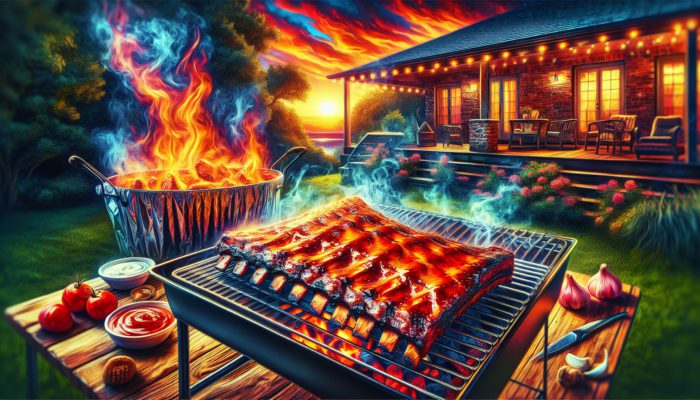
The 3-2-1 smoking technique stands out as an excellent method for preparing ribs that can significantly enhance your backyard barbecue prowess. This traditional method involves smoking ribs unwrapped for three hours, subsequently wrapping them in foil for two hours, and concluding with another hour of smoking unwrapped. This technique is widely popular throughout the United States, particularly utilizing American hardwoods like hickory or apple, which infuse the meat with rich flavors and enticing aromas. Each of the three phases interplays beautifully, resulting in ribs that are not only tender and juicy but also bursting with flavor, making them an ideal choice for any backyard gathering or summer cookout.
Successfully implementing the 3-2-1 method requires adherence to these essential steps:
- Select premium quality ribs.
- Trim excess fat to avoid greasiness.
- Generously apply a flavorful dry rub.
- Preheat your smoker to the optimal temperature.
- Smoke the ribs unwrapped for three hours.
- Wrap the ribs in foil for two hours.
- Unwrap and smoke for an additional hour, optionally adding sauce.
- Let the ribs rest before serving.
These steps build upon traditional American barbecue techniques, ensuring you achieve the perfect balance of tenderness, flavor, and that irresistible crispy finish that everyone loves.
How to Choose the Best Ribs for Smoking
When selecting the ideal ribs, the choices available in the United States are plentiful, but nothing rivals American pork ribs. The two most favored varieties are St. Louis-style ribs and baby back ribs, both celebrated for their rich flavors and desirable textures. It is essential to select meaty cuts with excellent marbling; this marbling ensures that the ribs remain juicy throughout the smoking process. As the fat renders, it enriches the meat with flavor while keeping it moist—a hallmark of Southern US smoking traditions.
Look for ribs that are well-meated and exhibit minimal excess fat. Here are important considerations when selecting your ribs:
- Choose ribs with a generous amount of meat attached to the bone.
- Ensure uniform thickness; uneven ribs may cook inconsistently.
- Select ribs that showcase a pinkish hue with minimal dry spots.
- Avoid ribs that are overly fatty or exhibit excessive bone exposure.
St. Louis-style ribs are especially popular due to their rectangular shape and ample meat coverage, while baby back ribs are smaller, leaner, and deliver a tender bite. Both options can yield mouthwatering results when prepared using the 3-2-1 method, showcasing the pinnacle of American barbecue flavor.
Essential Ingredients for Flavorful Smoking
Your journey to mastering the 3-2-1 rib smoking method would be incomplete without the right ingredients. In American kitchens, a well-crafted dry rub often serves as the flavor foundation. This rub typically contains ingredients such as brown sugar, paprika, and a variety of spices that can be easily found in local markets. The brown sugar acts as a natural caramelizer, creating a delightful bark on the ribs when combined with the smoky essence from the wood, while paprika adds a hint of smokiness and vibrant color.
Consider incorporating spices like garlic powder, onion powder, and a dash of cayenne for a touch of heat, creating a well-rounded flavor profile. Here’s a typical list of essential ingredients for your rub:
- Brown sugar
- Paprika
- Black pepper
- Garlic powder
- Onion powder
- Cayenne pepper (optional)
- Salt
Mix these ingredients thoroughly and apply them generously to your ribs. Allow the ribs to rest for at least an hour before placing them in the smoker. This resting period enables the spices to adhere to the meat, ensuring that every bite is infused with deep, rich flavors that truly represent classic American barbecue.
Steps to Properly Prepare Ribs for Smoking
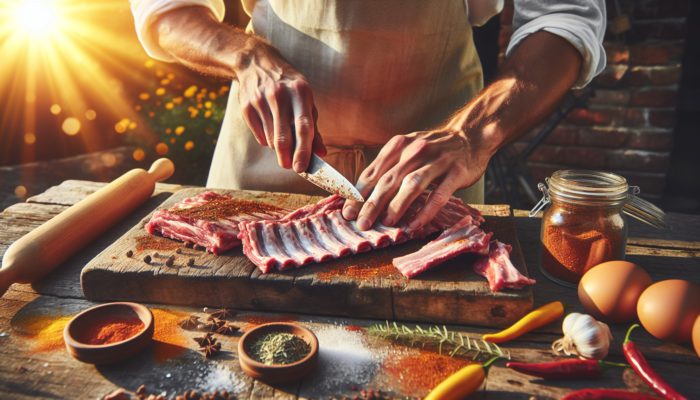
Properly preparing the ribs is a critical step in the 3-2-1 method. The process begins with trimming away excess fat from the ribs to ensure even cooking and to prevent greasiness. While some fat is desirable for flavor and moisture, too much can lead to unappealing outcomes. After trimming, generously apply your dry rub; this is where the flavor magic truly begins.
Once the rub is applied, it is essential to allow the ribs to rest. This waiting time—ideally at least 30 minutes to an hour—enables the rub to penetrate the meat, significantly amplifying the flavor. This method aligns with traditional American barbecue practices and enhances the taste remarkably.
To summarize, the preparation process includes:
- Trim excess fat from the ribs.
- Apply a generous coating of dry rub.
- Allow the ribs to rest for a minimum of 30 minutes.
- Preheat your smoker to a temperature between 225-250°F.
By following these steps, you ensure that your ribs are not only well-seasoned but also primed for the smoking process, leading to exceptionally flavorful and tender results.
How Does the 3-2-1 Method Amplify Rib Flavor?
Understanding the Key Phases of Smoking
The 3-2-1 method is not just a random sequence of steps; each phase fulfills a specific purpose that enhances the overall quality of the ribs. The first phase involves smoking the ribs unwrapped for three hours at a low temperature. This initial stage is crucial for rendering the fat, allowing it to seep into the meat and create a moist and flavorful profile. During this phase, the open exposure to smoke is essential for building that coveted smoky flavor that barbecue enthusiasts yearn for.
After three hours, it’s time for the wrapped phase. Wrapping the ribs in foil for two hours creates a steaming effect that breaks down the connective tissue, enhancing tenderness. This is where the real magic happens—moisture is trapped, allowing the ribs to cook evenly while infusing them with flavor.
The final phase of unwrapping for one hour serves to crisp up the exterior, resulting in that sought-after caramelized bark. This last step is also the perfect opportunity to apply barbecue sauce, providing your ribs with a glossy finish and a sweet, sticky coating that elevates them to new heights of barbecue perfection. Each phase, from smoking to wrapping to final cooking, showcases the craftsmanship of traditional American pit-master techniques.
How to Effectively Monitor Temperature and Time
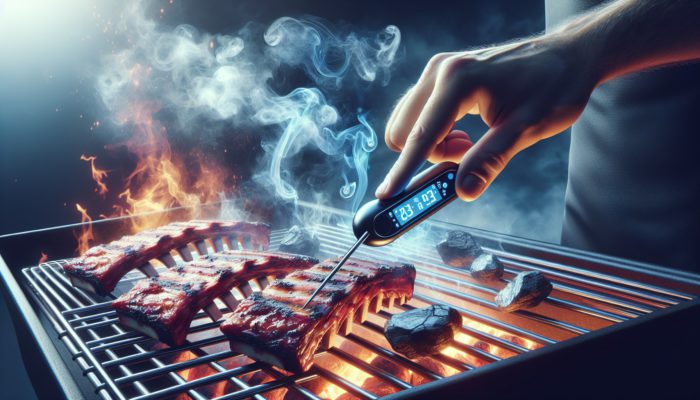
Maintaining the correct temperature and timing is vital for mastering the 3-2-1 method. In the United States, ideal smoker temperatures range from 225°F to 250°F, which facilitates optimal smoke absorption and effective meat rendering. To ensure precision, consider investing in a high-quality digital thermometer from reputable brands like Weber. This tool helps monitor both the internal temperature of the ribs and the environment within the smoker.
Tracking time is equally crucial; each phase of the 3-2-1 method is designed to build upon the last. By adhering to the three hours unwrapped, two hours wrapped, and one hour unwrapped guideline, you set yourself up for barbecue success.
In addition to following the time guidelines, keep an eye on the internal temperature of your ribs. Aim for approximately 195°F to 203°F for perfectly tender results, as this temperature range effectively breaks down collagen. Here are some tips for monitoring temperature and time:
- Use a digital thermometer for enhanced accuracy.
- Regularly check the smoker’s temperature; adjust vents as needed.
- Monitor the ribs closely, but avoid lifting the lid too frequently.
- Trust the timing; each phase is crucial for achieving the desired texture.
By diligently monitoring both time and temperature, you’ll ensure that your ribs emerge fall-off-the-bone tender, a hallmark of outstanding American barbecue.
How to Sidestep Common Smoking Mistakes
Even the most seasoned pit masters can encounter challenges when smoking ribs. One prevalent issue faced in US backyards is uneven heat distribution within the smoker. This can lead to certain parts of the ribs being overcooked while others remain undercooked. To remedy this, adjust the smoker’s vents to promote even airflow, and consider using a water pan to help maintain consistent humidity throughout the cooking process.
Another common error is not wrapping the ribs tightly enough during the second phase. Insufficient wrapping can lead to moisture escaping, resulting in dry ribs. Utilize heavy-duty aluminum foil and ensure that the ribs are securely sealed to effectively trap steam.
Here are tips for avoiding these pitfalls:
- Adjust vents for even heat distribution.
- Use a water pan to stabilize humidity levels.
- Wrap ribs securely in heavy-duty foil.
- Rotate ribs halfway through the smoking process for consistent cooking.
By being aware of these common pitfalls and proactively addressing them, you can ensure that your ribs turn out juicy, flavorful, and perfectly cooked every single time.
How to Tailor the 3-2-1 Method for Different Meats
While the 3-2-1 method excels with pork ribs, it can be adapted for various meats, including brisket and pork butt. The key to successful adaptation lies in adjusting the cooking phases according to the size and type of meat. For instance, brisket often requires longer smoking times due to its thickness and the amount of connective tissue. A general rule of thumb is to extend the unwrapped phase, allowing for longer smoke exposure to enhance flavors and tenderness.
Different regional styles in the US offer a wealth of flavors; for example, Texas barbecue commonly features a dry rub, while Kansas City is known for its sweet sauces. When adapting the 3-2-1 method for these meats, maintain the same phase structure but modify the durations based on the specific meat being prepared.
Here’s how to customize the method:
- Increase phase durations for larger cuts like brisket.
- Experiment with distinct regional rubs and sauces.
- Adjust wood types based on the meat; mesquite pairs well with beef.
- Carefully monitor internal temperatures to ensure proper doneness.
By implementing these tips, you can expand your barbecue repertoire while preserving the integrity of the 3-2-1 method, ensuring that each meat is treated with the respect and care it deserves.
Expert Tips for Perfecting the 3-2-1 Rib Smoking Method
Valuable Techniques from Experienced US Pit Masters
To truly master the 3-2-1 rib smoking method, there is a wealth of wisdom to be gained from seasoned pit masters across the United States. One technique they emphasize is the importance of wrapping effectively. Proper wrapping not only helps retain moisture but also allows the ribs to continue cooking without direct exposure to smoke. Many experts recommend adding a splash of apple juice or cider vinegar inside the foil to enhance moisture during the cooking process.
Another crucial piece of advice from professionals is to apply barbecue sauce during the final hour of cooking, imparting a glossy, sticky finish that is often characteristic of competition-level barbecue. Events such as the Memphis in May World Championship Barbecue Cooking Contest underline the significance of presentation, and using sauce effectively can make a profound difference.
Here are some key techniques to incorporate into your process:
- Wrap ribs tightly, adding liquid for increased moisture.
- Apply sauce during the final hour for a beautiful glaze.
- Utilize a spray bottle to maintain moisture levels during cooking.
- Allow the ribs to rest after smoking for improved texture.
These insights draw from years of experience shared by both competition and backyard cooks alike, providing practical techniques to enhance your smoking skills and produce mouthwatering results.
How to Adapt the Method for Various US Regional Styles
Understanding regional barbecue styles can infuse exciting variations into the 3-2-1 method. For instance, Texas-style barbecue often showcases a dry rub that emphasizes salt and pepper, allowing the meat's natural flavor to shine. In contrast, Kansas City-style barbecue focuses on a sweeter sauce, often tomato-based, which beautifully complements the smoky flavor of the ribs when applied during the final phase.
As you explore these regional differences, consider experimenting with local ingredients. In the Carolinas, for example, a vinegar-based sauce is favored, adding a unique tang that contrasts with the sweetness of the rub.
Consider these customization options:
- Experiment with various regional rubs to discover your preferred flavor profile.
- Incorporate local sauces that align with your region's style.
- Try different wood types that are native to various regions.
- Adjust cooking times based on the type of sauce used.
By personalizing the 3-2-1 method to reflect the rich tapestry of American barbecue styles, you'll not only enhance your culinary skills but also delight your guests with diverse flavors that celebrate the art of smoking.
Essential Tools for Successful Smoking
Selecting the right tools can greatly enhance your smoking experience. For smokers, consider reputable US brands like Traeger and Pit Boss. These brands offer pellet and offset smokers that ensure consistent heat—a vital factor in successfully executing the 3-2-1 method.
In addition to the smoker, having a reliable meat thermometer is essential for accuracy. This tool helps ensure that your ribs reach the desired internal temperature without overcooking, a common mistake that can lead to disappointing results. Many professionals recommend thermometers with probes that can remain in the meat while it cooks, allowing you to monitor temperatures without opening the smoker.
Here are some recommended tools to consider:
- Offset smokers for authentic barbecue flavor.
- Pellet smokers for convenience and ease of use.
- Digital meat thermometers for precise temperature monitoring.
- High-quality aluminum foil for effective rib wrapping.
By investing in quality tools and understanding their proper use, you can refine your smoking process, making it easier to achieve perfectly smoked ribs every time.
Scientific Benefits of the 3-2-1 Method
How Does It Enhance Flavor?
The 3-2-1 method is supported by culinary practices that enhance flavor through slow smoking. Research from US culinary institutions indicates that this technique allows for deep smoke penetration into the meat, resulting in rich, authentic barbecue flavors that are highly sought after. Each phase of the method contributes uniquely to the overall taste, ensuring that your ribs are not merely seasoned but profoundly infused with smoky essence.
The slow cooking process enables the flavors from the wood and the rub to meld beautifully, creating a layered taste experience. The three hours of unwrapped smoking establishes a robust flavor foundation, while the two hours of steaming in foil allows for deeper flavor integration. Finally, the last unwrapped phase caramelizes the sugars in the rub and sauce, forming that desirable bark.
Here’s how the 3-2-1 method enhances flavor:
- Low-and-slow smoking promotes rich smoke flavor development.
- Each phase builds complexity in taste.
- The caramelization of sugars creates a delicious bark.
- Deep moisture retention ensures a succulent mouthfeel.
By embracing this method, you can be confident that each batch of ribs will not only taste incredible but will also reflect the traditions of classic American barbecue.
How to Achieve Tender Results Through Science
The tenderness of smoked ribs is not a matter of luck; it results from careful scientific principles at work. Research conducted in US food science laboratories illustrates that slow cooking effectively breaks down collagen found in the meat. This breakdown results in ribs that are not only tender but can practically fall off the bone. The 3-2-1 method leverages this scientific principle by allowing time for the collagen to dissolve through low-and-slow cooking.
To achieve these tender results, it is essential to carefully monitor the smoking temperatures and durations. Maintaining the temperature between 225°F to 250°F ensures that the meat cooks gently while allowing the collagen to break down completely, leading to that melt-in-your-mouth experience.
To ensure tenderness, remember the following:
- Maintain low temperatures to effectively break down collagen.
- Adhere to the prescribed cooking times for each phase.
- Closely monitor internal temperatures to avoid overcooking.
- Allow the finished ribs to rest before slicing to retain juiciness.
By following these scientific insights, you can confidently serve ribs that are not only flavorful but also exquisitely tender, captivating the hearts and palates of your guests.
Health Considerations of Smoked Ribs
While indulging in delectable smoked ribs, it is vital to consider the health aspects as well. The 3-2-1 method can be beneficial in reducing fat content through the rendering process during smoking. As the fat cooks off, it promotes leaner proteins, making smoked ribs a more balanced option when paired with sides like vegetables or salads.
Moreover, using high-quality meats and moderating portion sizes can make barbecuing a guilt-free pleasure. When prepared thoughtfully, ribs can be part of a wholesome meal that adheres to American nutritional guidelines while satisfying cravings for flavorful food.
Here are some key health aspects to keep in mind:
- Rendering fat can result in leaner meat options.
- Pairing ribs with fresh vegetables enhances nutritional balance.
- Moderation in portion sizes promotes healthier eating habits.
- Using quality ingredients can elevate flavor without excess calories.
By understanding the health aspects of the 3-2-1 method, you can relish a delicious meal that aligns with a balanced lifestyle, making rib smoking not just a culinary endeavor but also a health-conscious choice.
Achieving Consistency and Repeatability in Home Smoking
One of the most appealing aspects of the 3-2-1 method is its consistency. Research from US universities demonstrates that this structured approach provides a reliable framework for home cooks. By standardizing the cooking phases, it minimizes the risk of errors and promotes even results every time you fire up the smoker.
The beauty of this method lies in its ability to produce consistently delicious ribs, regardless of your skill level. As you practice the 3-2-1 method, you'll find that replicating success becomes increasingly straightforward, allowing you to impress family and friends with your barbecue skills.
To achieve consistency and repeatability, keep these points in mind:
- Adhere strictly to the timing for each smoking phase.
- Utilize a smoker with reliable temperature control.
- Document your process for refining methods over time.
- Practice regularly to build confidence in the technique.
By embracing the 3-2-1 method, you’ll make barbecue accessible and enjoyable, transforming the art of smoking ribs into a reliable culinary tradition in your home.
What Equipment is Necessary for Smoking Ribs?
Choosing the Right Smokers for US BBQ Enthusiasts
When it comes to smoking ribs, the right equipment can make all the difference. For American barbecue enthusiasts, offset smokers and pellet smokers are popular choices. Offset smokers allow for traditional smoking techniques, delivering the rich, authentic flavor that barbecue lovers crave. Conversely, pellet smokers are becoming increasingly favored for their ease of use and consistent heat, making them suitable for both novices and seasoned pit masters alike.
Both smoker types effectively maintain the low temperatures necessary for the 3-2-1 method, ensuring that your ribs cook evenly and absorb those delicious smoky flavors.
Here are some considerations for selecting your smoker:
- Look for a smoker with good insulation to maintain temperature effectively.
- Consider the size; choose based on your typical cooking volume.
- Research reputable brands known for quality, such as Traeger or Weber.
- Evaluate additional features, such as temperature probes or Wi-Fi connectivity.
By investing in the right smoker, you set yourself up for success in your rib-smoking endeavors, opening up a world of delicious barbecue possibilities.
Why is a Meat Thermometer Essential for Perfect Ribs?
A meat thermometer is one of the most critical tools in your barbecue arsenal. It ensures that your ribs are cooked to the appropriate internal temperature, making it a vital component of the 3-2-1 method. According to US food safety standards, properly cooked ribs should reach an internal temperature of around 195°F to 203°F for optimal tenderness. A reliable meat thermometer eliminates guesswork, providing precise readings that prevent undercooking or overcooking.
Using a thermometer designed specifically for meat allows you to monitor temperature without repeatedly opening the smoker, which can lead to temperature fluctuations.
Here’s why a meat thermometer is vital:
- Ensures ribs are cooked safely to prevent foodborne illnesses.
- Helps achieve the desired tenderness by monitoring internal temperatures.
- Reduces guesswork, providing reliability in your cooking process.
- Prevents overcooking, which can result in dry ribs.
Investing in a quality meat thermometer is one of the best decisions you can make for your smoking setup, helping you achieve perfect ribs consistently.
Accessories to Enhance Your Smoking Experience
While mastering the basics of smoking ribs is essential, certain accessories can enhance the experience and improve your results. Items such as rib racks and spray bottles are crucial for creating optimal smoking conditions. A rib rack allows for efficient use of space in your smoker, accommodating more ribs while ensuring even heat circulation around each piece.
A spray bottle filled with apple juice or vinegar can be a game-changer during the cooking process. Periodically spraying the ribs helps maintain moisture and can add a subtle sweetness that enhances the overall flavor.
Consider these accessories to elevate your smoking sessions:
- Rib racks for efficient smoking of multiple racks at once.
- Spray bottles for maintaining moisture during cooking.
- Wood chips or chunks for added flavor variation.
- Quality aluminum foil for effective wrapping.
By integrating these accessories into your smoking routine, you’ll elevate the quality of your ribs, leading to a more enjoyable and successful smoking experience.
Advanced Techniques for Perfectly Smoked Ribs
Experimenting with Different Wood Types for Unique Flavors
The choice of wood is critical when it comes to achieving unique flavors in your ribs. In the United States, several types of hardwoods can enhance the 3-2-1 smoking method. Hickory is a classic choice that delivers robust, smoky flavors, while apple wood provides a milder, slightly sweet profile that pairs well with traditional rubs. Mesquite is another option, known for its intense flavor, which is particularly effective with beef but can also complement pork beautifully.
Experimenting with different wood types allows you to discover new flavor dimensions, enhancing your barbecue experience. Mixing various wood types can also yield intriguing results, providing the best of both worlds.
Here are some tips for experimenting with wood types:
- Try pairing hickory with apple for a balanced smoke flavor.
- Use mesquite for a bold taste, but consider mixing it with milder woods.
- Experiment with fruit woods for a subtle sweetness.
- Adjust smoking times based on the wood type to avoid overpowering the meat.
The beauty of barbecue lies in exploration. By trying different wood types, you’ll expand your flavor horizons and delight your guests with unique rib profiles.
Perfecting Sauce Application Timing for Maximum Flavor
Applying sauce at the right moment can dramatically alter the outcome of your ribs. The 3-2-1 method provides an ideal opportunity to introduce barbecue sauce during the last hour of uncovered smoking. This timing allows the sauce to caramelize without burning, resulting in a sticky, flavorful glaze that perfectly complements the smoky richness of the ribs.
When applying sauce, opt for a high-quality barbecue sauce made from US pantry staples. Whether you prefer sweet, spicy, or tangy, the right sauce can elevate your ribs to a competition-level status.
Here are some tips for fine-tuning sauce application:
- Apply sauce during the final 30-60 minutes of cooking.
- Use a basting brush for even coverage.
- Consider layering flavors with different sauces for complexity.
- Allow the sauce to set on the ribs before serving for the best texture.
By mastering the art of sauce application, you’ll transform your ribs from merely delicious to spectacular, impressing everyone at your next barbecue gathering.
How to Properly Store and Reheat Leftover Ribs
It’s common to have leftover smoked ribs, but ensuring they remain enjoyable after storage is essential. In American households, proper storage methods can preserve the flavor and texture of your smoked ribs for several days. Begin by allowing the ribs to cool to room temperature before wrapping them tightly in aluminum foil or placing them in an airtight container.
When reheating, avoid using the microwave, as it can lead to tough, dried-out meat. Instead, opt for the oven or grill. Preheat your oven to a low temperature, around 250°F, and reheat wrapped ribs to maintain moisture. Alternatively, reheating on a grill can revitalize smoky flavors.
Here’s how to effectively store and reheat ribs:
- Allow ribs to cool before wrapping them tightly for storage.
- Use aluminum foil or airtight containers to prevent drying.
- Reheat in the oven at low temperatures to retain moisture.
- Consider placing ribs on the grill for added flavor during reheating.
By following these storage and reheating tips, you’ll ensure that your leftover ribs remain just as delicious as when they were first smoked, allowing you to savor the fruits of your labor long after the barbecue is over.
Commonly Asked Questions About the 3-2-1 Method
What does the 3-2-1 method entail for smoking ribs?
The 3-2-1 method refers to smoking ribs for three hours unwrapped, followed by two hours wrapped in foil, and finally one hour unwrapped again. This structured approach guarantees tender, flavorful results that are sure to impress.
Can I apply the 3-2-1 method to other meats besides ribs?
Yes, the 3-2-1 method can be adapted for other meats like brisket or pork butt. However, you may need to adjust the time based on the size and type of meat to achieve optimal results.
Which types of ribs are best suited for the 3-2-1 method?
St. Louis-style and baby back ribs are optimal for the 3-2-1 method. Look for meaty cuts with good marbling to ensure tenderness and flavor that will delight your guests.
Is using a dry rub necessary for flavor enhancement?
While optional, using a dry rub enhances flavor and creates a delicious bark on the ribs. It's highly recommended for achieving the best results in flavor and texture.
What is the best wood for smoking ribs to enhance flavor?
Popular woods include hickory for a robust flavor, apple for sweetness, and mesquite for intensity. Experimenting with different woods can help you discover your preferred flavor profile and elevate your barbecue experience.
How do I determine when my ribs are done cooking?
Ribs are generally considered done when the internal temperature reaches 195°F to 203°F. They should also feel tender and easily pull away from the bone, indicating they are perfectly cooked.
Can I apply sauce during the smoking process for added flavor?
Yes, it’s ideal to apply barbecue sauce during the last hour of the smoking process to allow it to caramelize without burning, enhancing the overall flavor and presentation.
What is the best way to store leftover smoked ribs for freshness?
Allow ribs to cool, then wrap them tightly in aluminum foil or store them in airtight containers. Refrigerate and reheat gently before serving to maintain their deliciousness.
Can I use a gas grill for the 3-2-1 method successfully?
Yes, a gas grill can be used. However, creating a smoking environment may require using a smoke box or wood chips to achieve the desired flavor profile.
What common mistakes should I avoid when using the 3-2-1 method?
Common mistakes include uneven cooking due to poor temperature control and inadequate wrapping of the ribs. Ensuring consistent temperature and proper wrapping will significantly enhance your results.
Connect with us on Facebook!
The Article Mastering the 3-2-1 Rib Smoking Method: A Step-by-Step Guide appeared first on https://pitmastersarsenal.com





No responses yet