While many people think of termite protection as something that occurs exclusively during the construction phase of a new home, it is vital to recognize the numerous Sydney properties built many years ago, well before modern termite protection measures became standard. These older homes often lack adequate defenses against termite infestations, making it imperative to investigate effective solutions for their protection and safety.
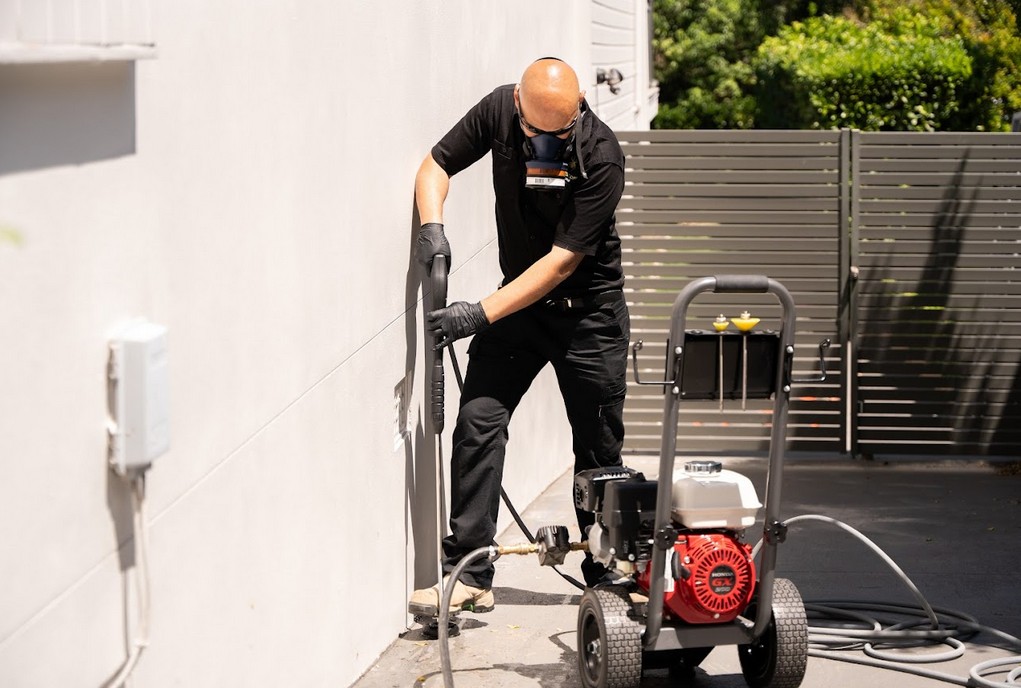
Discover the Essential Benefits of Post-Construction Termite Barriers for Optimal Protection
For homeowners who are either planning to stay long-term or considering selling their property, the addition of a post-construction chemical barrier is one of the most effective methods to prevent termite infestations. This proactive measure not only protects your most significant financial asset but also complies with current regulatory standards, offering homeowners peace of mind regarding their property’s safety.
This article will thoroughly explain what a post-construction barrier entails, guide you through its installation process, highlight why Termidor® is recognized as the leading termiticide, and elaborate on its necessity for countless homeowners throughout Sydney.
What Exactly Is a Post-Construction Termite Barrier?
A post-construction termite barrier is a specialized treatment designed to be applied after construction has been finalized. Unlike pre-construction systems, which are intended to be installed beneath concrete slabs and foundations, post-construction barriers are meticulously applied around the exterior perimeter of an existing dwelling through advanced drilling and injection methods.
This application creates a continuous treated zone within the soil that remains undetectable to termites, effectively hindering their ability to penetrate your property. As termites approach your home, they unknowingly traverse this treated soil, ingesting the active ingredient and transporting it back to their colony, ultimately eliminating the threat at its source.
Why Are Post-Construction Barriers Essential for Homes in Sydney?
Sydney is considered one of the most termite-prone regions in Australia, with many homes built without pre-construction protection—particularly in areas such as:
- The Hills District
- Blacktown
- North Shore
- Western Sydney
- Any bushland or high-moisture suburb
Properties in these areas are particularly vulnerable to termite invasions. Additionally, even newer homes with gardens, paved areas, or extensions might have exposed slab edges, creating potential entry points for termites. A post-construction barrier effectively seals these vulnerabilities, offering comprehensive perimeter protection against infestations.
Step-by-Step Guide to Installing Post-Construction Termite Barriers
Our team of experienced technicians follows a detailed methodology that complies with Australian Standards:
1. Thorough Site Inspection & Mapping
We perform an exhaustive evaluation of the home’s exterior, scrutinizing slab edges, landscaping features, moisture levels, and identifying possible termite entry points. This careful mapping is essential for effective barrier installation, ensuring that all vulnerable areas are addressed.
2. Precision Drilling of Access Holes
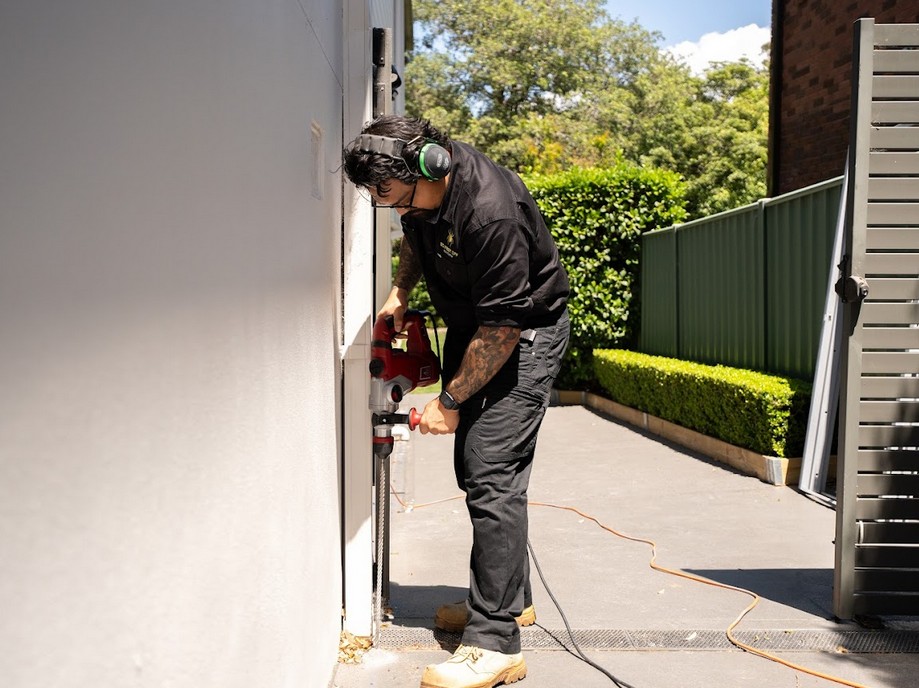
We drill small access holes at regular intervals (generally every 200–300 mm) through concrete, pavers, or pathways surrounding your home. This important step allows us to reach the soil beneath hard surfaces, ensuring the termiticide can be effectively and thoroughly applied.
3. Soil Trenching for Enhanced Treatment
In areas such as garden beds or exposed soil, we will dig shallow trenches to ensure that the termiticide penetrates deeply. This technique maximizes the effectiveness of the treatment, enhancing its protective capabilities against future infestations.
4. High-Pressure Injection of Termiticide
Using state-of-the-art high-pressure equipment, we inject the termiticide directly into the treated soil. You can observe this process in our demonstration video, which showcases a clean, precise, and highly effective method of application, ensuring that every corner of your property is adequately protected.
5. Sealing of Holes and Site Restoration
After the injection process is complete, we seal the drilled holes with color-matched plugs to ensure a seamless finish that blends harmoniously with your driveways and pathways, preserving the aesthetic appeal of your property.
6. Provision of Documentation & Compliance Certificate
We provide detailed treatment records, comprehensive site maps, batch numbers, and compliance documents. These records are crucial for homeowners, enhancing transparency and offering valuable information for future property transactions.
Why Choose Termidor® as Your Go-To for Post-Construction Barriers?
Termidor® is recognized as the top choice for termite protection, trusted as the leading termiticide throughout Australia. Here are several reasons we rely on this exceptional product:
- Completely Undetectable to Termites: Termites cannot smell or taste Termidor®, enabling them to pass through the treated soil without any awareness of the danger.
- The Transfer Effect: Termites bring Termidor® back to their colony through grooming and feeding, ultimately leading to the complete eradication of the nest.
- Long-Lasting Protection: A Termidor® barrier provides up to 8 years of sustained protection against infestations.
- Proven Safe: It is approved for use in residential settings, around pets, gardens, and families, ensuring peace of mind.
- Industry Leader: Termidor® is the trusted brand for pest control experts dealing with severe or ongoing termite pressure.
When is the Right Time to Install a Post-Construction Barrier?
It is advisable to install a post-construction barrier if any of the following conditions apply:
- Your home has never had termite protection implemented
- You’ve observed signs of termite activity or damage
- You reside in a high-risk suburb in Sydney
- You are preparing to sell your home and want to provide assurance to potential buyers
- You seek long-term, low-maintenance termite protection
- Your existing termite reticulation system is incomplete or missing
- You have recently completed renovations or extensions
For homeowners getting ready to sell, installing a Termidor® barrier serves as a valuable selling point, boosting buyer confidence and reducing the risk of complications from pre-purchase inspections.
What Is the Expected Lifespan of a Post-Construction Barrier?
The lifespan of a barrier depends on the product used, but with Termidor®, you can typically expect:
- Full protective lifespan: Approximately 8 years
- Recommended inspection frequency: Annually to ensure ongoing effectiveness
- Top-up options: Available between years 5 and 8 if needed
Inferior quality chemicals deteriorate much more quickly, which is why So Pest Off chooses to avoid subpar termiticides that could compromise your home’s protection.
Comparing the Effectiveness of Post-Construction Barriers and Bait Stations: Which Method Is Superior?
While both methods have their merits, chemical soil barriers like Termidor® provide:
- Rapid protection against infestations
- Effective colony elimination
- Reduced maintenance requirements over time
- Lower ongoing costs for homeowners
- Comprehensive perimeter coverage for added security
Although bait stations can be beneficial for complicated sites, most homes in Sydney achieve the best long-term results through the implementation of Termidor® barriers.
Why Trust So Pest Off for Your Termite Protection Solutions?
- Accredited Termidor® applicators with extensive training
- Experts in post-construction treatments for termite prevention
- Thorough digital reporting and compliance certificates for transparency
- Clear pricing without scare tactics or upselling
- Local specialists serving Hills District, Blacktown, and all suburbs of Sydney
- Proven results in regions facing high termite pressure
We treat each residence with the utmost care, treating your home as if it were our own. Our focus lies in precision, ethical practices, and complete transparency throughout the process.
Investing in a Post-Construction Termite Barrier: Protecting Your Home Effectively
Implementing a post-construction termite barrier is one of the most essential protective measures you can undertake for your property. It effectively prevents damage that could lead to repair costs amounting to tens of thousands of dollars, offering you peace of mind while ensuring that your home meets modern termite management standards—especially important if you plan to sell in the near future.
If you are ready to take the necessary steps to ensure your home is well-protected or if you would like us to assess the potential risks facing your property:
Schedule a termite inspection with So Pest Off today.
Your Guide to Frequently Asked Questions About Post-Construction Termite Barriers
How long can I expect a post-construction Termidor barrier to last?
A professionally applied Termidor® barrier can provide up to 8 years of effective protection, depending on factors such as soil type and environmental conditions. Annual inspections for termites are required under Australian Standards, and a top-up of the treatment may be suggested between years 5 and 8 to ensure optimal longevity and effectiveness.
Is drilling necessary around my home for the barrier to function effectively?
In most established homes, yes. Drilling is crucial beneath concrete, pathways, and pavers to access the soil underneath. We create small, evenly spaced holes, which are then sealed with color-matched plugs. For garden beds, we prefer trenching instead of drilling to minimize disruption to your landscape.
Is Termidor safe for my family and pets?
Absolutely. Termidor® is approved for residential applications and is among the safest and most thoroughly researched termiticides on the market. Once it has been applied to the soil and dried, it poses no risk to pets or family members. It is non-repellent, low-odour, and widely utilized in childcare facilities, schools, and hospitals.
Will this treatment eradicate the entire termite colony?
In most cases, yes. Because Termidor® is undetectable to termites, they traverse the treated soil, absorb the active ingredient, and spread it throughout their colony through grooming and feeding. This “Transfer Effect” is a key reason why Termidor® is recognized as the gold standard in termite elimination and management.
Does a post-construction barrier negate the need for bait stations?
Not necessarily. Barriers provide rapid, lasting protection around the structure, but bait systems may still be advisable for larger properties, areas with significant termite pressure, or sites with unique drainage or construction challenges. Many homeowners opt to employ both systems for comprehensive protection against infestations.
Is it possible to install a post-construction barrier if termites are currently active?
Yes—however, an active termite treatment must be performed first. Once the live termites have been treated and eliminated, the barrier can then be installed to prevent future infestations. This two-step approach is considered best practice in the industry and ensures long-term success in termite management.
Is this treatment essential if I’m planning to sell my home?
Absolutely. A Termidor® barrier is a significant advantage when selling a property. Buyers appreciate the reassurance of knowing the home has 8 years of protection, and pre-purchase inspectors will highlight this as a positive risk-reduction measure. It also helps prevent delays in the sale process that may arise from termite findings.
What is the cost associated with a post-construction barrier?
Costs can vary based on factors such as block size, access, and drilling requirements. However, So Pest Off offers some of the most transparent and competitive pricing in Sydney without compromising quality. Please contact us for an accurate quote or a comprehensive perimeter assessment.
Post-Construction Termite Barriers: The Termite Protection for Sydney Homes
The Article: Post-Construction Termite Barriers: The Termite Protection for Sydney Homes first appeared on https://writebuff.com


No responses yet