Clearing an apartment involves distinct challenges when compared to clearing a house. In the case of a house, the removal truck can typically reverse directly into the driveway, streamlining the loading process. in a Sydney unit, the items must be manoeuvred through a communal building, which imposes specific regulations regarding access times and methods.
Recognising these differences is essential, and being well-prepared prior to moving day can significantly enhance your experience.
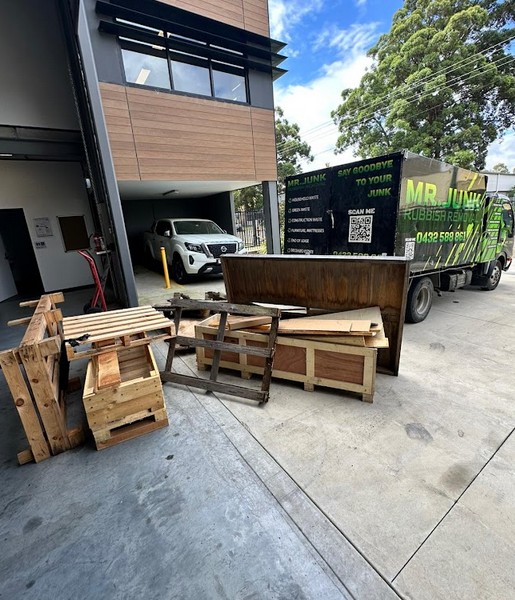
What Makes Clearing Out an Apartment Different from Clearing Out a House?
The key difference lies in the distance between where the furniture is situated and where the truck is permitted to stop. Clearing a house generally involves a single, brief carry, while clearing a unit comprises three distinct stages: first, transporting items from the unit to the lift; second, moving from the lift to the basement or lobby; and finally, loading everything onto the truck.
This process applies regardless of who is managing the clearance—be it a downsizing homeowner, a tenant ending a lease, a family member handling an estate, or a property manager dealing with leftover possessions. Although the contents of the unit may vary, the three-step procedure remains unchanged.
How Can You Secure the Lift for Your Apartment Clearance?
Many Sydney apartment complexes are equipped with a service or goods lift designed specifically for removalists, separate from the passenger lift. The requirements for reserving the lift, such as notice periods and access duration, can vary considerably from one building to another. It is crucial to consult your building manager or on-site caretaker for precise information.
Before arranging your collection, consider asking the following questions:
- Is it necessary to book the service lift, and what notice period does the building require?
- Are protective blankets or lift liners mandatory before using the lift?
- Are there restricted hours during which the lift cannot be used for removals, such as early mornings or weekends?
- Is a key, fob, or lift override required to keep the doors open on your floor?
What Should You Do If Stairs Are Your Only Option for Clearing a Unit?
Many Sydney apartments are located in walk-up buildings without lift access. Classic examples include the traditional red brick three-storey blocks found in the Eastern Suburbs and Inner West, where stairs are the only means of moving items.
Transporting items down the stairs is generally a slower process and requires additional manpower. When contacting us, please provide details such as the floor number, the number of flights, and whether the stairwell has any turns. For instance, a lounge suite that can be transported down a straight staircase is significantly easier to handle than one that necessitates multiple turns.
What Essential Information Should You Provide to Your Strata or Building Manager?
Once your belongings exit your front door, they typically become part of the common property. In most strata buildings, areas like the lobby, corridor, lift, basement, and bin room are classified as common property, meaning you cannot place items in these spaces without prior permission.
Some buildings may require a contractor’s certificate of currency before any work can be carried out on common property. It is advisable to verify this with your strata or building manager in advance to prevent any last-minute surprises.
It’s important to remember that leaving large items, such as a bed base or lounge, next to the building’s bins is not a suitable solution. Such actions can create complications for the owners corporation, and the cost of removal may be charged back to the responsible owner.
We frequently collaborate with strata managers and residents throughout Sydney’s apartment buildings. If your manager prefers us to coordinate access directly with them, we are more than happy to facilitate that process.
Where Should the Truck Be Positioned During Your Apartment Clearance?
Residential basements often have height clearance restrictions, and removal trucks typically exceed these limits. loading generally occurs at the loading dock, in a visitor parking bay, or on the street, rather than in the basement storage area.
The specific arrangements depend on the building’s design and local council regulations. Confirm these details when booking, as the location where the truck can legally stop will directly impact the workload and duration of the move.
What Items Are Typically Loaded onto the Truck During an Apartment Clearance?
People often underestimate the volume of items that require removal from apartments, assuming they will be minimal. A truck fills based on volume rather than weight, and bulky soft items often occupy more space than smaller heavy items.
Common contents of a comprehensive apartment clearance include:
- Large furniture items: lounge suites, bed bases, bedroom furnishings, dining tables, and bookcases.
- Contents of wardrobes and linen presses, once everything is bagged or boxed.
- Whitegoods and appliances: refrigerators, washing machines, and dryers take up considerable space.
- Kitchen cupboard and pantry items, all packed into boxes.
- Electronics: old televisions, desktop computers, printers, and assorted cables.
- Balcony items: pots with damp soil, planters, and outdoor furniture that has not been used in months.
- Leftover materials from renovations: old vanities, replaced flat packs, offcuts, and boxed tiles stored in the hall cupboard.
Don’t forget to check the storage cage in the basement, which often surprises many. An apartment may seem nearly empty upstairs while the cage could still contain a surfboard, several suitcases, Christmas decorations, and a bike that hasn’t been used in years. Be sure to inspect the cage before discussing the collection with us.
What Items Can and Cannot Be Loaded onto the Truck?
Items such as furniture, whitegoods, appliances, electronics, boxed household contents, timber, and renovation debris are all permissible for loading onto the truck. Metal appliances are also included in the load, ensuring a thorough clearance.
Certain items cannot be loaded: chemicals, cleaning liquids, fuel, gas bottles, and asbestos must be disposed of at a licensed recycling centre or eco waste facility. Consult your local council website for the nearest options.
Everyday rubbish is not included in the truck load. Kitchen scraps and general weekly waste should remain with the building’s bins, as they are designated for that purpose.
If you prefer to clear the unit gradually, consider using skip bags as an alternative. You can fill the bag over a week or two, storing it in your garage or on the balcony until it is ready for collection. Deciding between a skip bag and a skip bin is important, as a bin requires a legal parking space, which is often unavailable in apartment complexes.
How Can You Arrange Rubbish Removal for Your Apartment in Sydney?
When you call, have the following information ready: the suburb and building name, the floor number, whether there is lift access or stairs, where the truck can legally stop, and a rough estimate of what items will be removed.
If you book before 2pm, we can often arrange collection on the same day, subject to availability. If you are working towards a settlement, final inspection, or handover, please mention it upfront so we can secure the booking for the critical date.
For a complete unit clearance, our service focuses on household rubbish removal, with the primary task being the removal of bulky old furniture. Returning a unit at the end of a lease falls under end-of-lease rubbish removal, which includes the same services but with a bond deadline in mind. Clearing a relative’s unit is referred to as deceased estate clearance, and we handle this process with sensitivity and at your pace.
Unsure if you need a truck at all? Call us to describe the unit and its contents. If a skip bag or council collection is a more suitable option, we will advise you accordingly. Understanding the differences between council hard waste collections and private junk removal is crucial, especially in unit blocks where kerbside stacking has stricter regulations than in houses.
Frequently Asked Questions About Apartment Clearances
Is It Necessary to Book the Lift Before Clearing Out My Apartment?
This requirement varies depending on your building’s specific rules. Some buildings require a booked service lift and protective measures before any removal, while others may not have such requirements. Check with your building or strata manager, and inform us of their guidelines so we can accommodate them.
Can You Clear a Unit If There Is No Lift Access?
Certainly. Walk-up blocks are common in Sydney, and we have extensive experience in carrying items down the stairs. Please provide details about the floor number, the number of flights, and whether there are turns in the stairwell, as this information will determine the number of staff needed and the duration of the collection.
Is Strata Approval Required Before Booking an Apartment Rubbish Removal?
In many instances, yes. Since the lift, lobby, corridors, and basement are often common property in strata buildings, it is vital to check the specific requirements. These can range from a simple notification to needing a booked lift and a contractor’s certificate of currency. Your strata or building manager will clarify what is required, and we can liaise with them directly if that is more convenient.
What Happens If the Truck Cannot Access the Basement Car Park?
This situation is quite common, and we plan for it rather than adapt on the fly. The truck will park at the loading dock, visitor bay, or the nearest legal spot on the street, and we will transport everything to that location. Inform us about your building’s arrangements when you book. Yes, it is practical to manage it this way. The storage cage and balcony items are included in the same clear-out and load, making one visit more efficient than multiple trips. Be sure to include these items when discussing what needs to be removed, as both areas often contain more than anticipated.
Original Article First Published At: Clearing Out a Sydney Apartment or Unit: Access, Lifts and What Fits in a Load
The Article: Sydney Apartment Clearance: Access, Lifts, and Load Limits first appeared on https://writebuff.com