Essential Pet Travel Documentation for Smooth International Journeys
What Key Documents Are Necessary for Pet Travel?
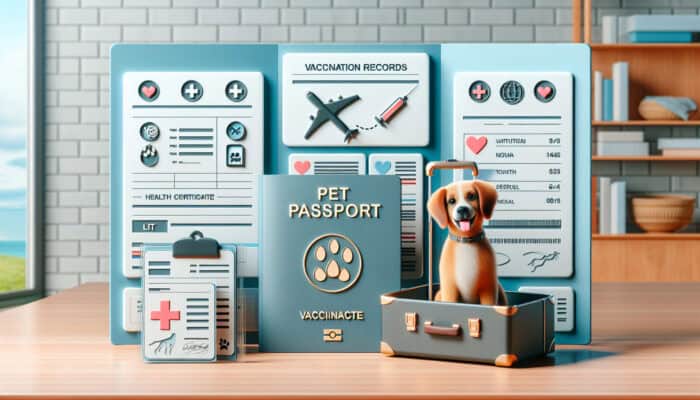
When embarking on an adventure with your beloved pet, understanding the international travel documentation process is paramount. Specific documentation is necessary to facilitate your pet's safe passage across international borders. Essential documents include health certificates, vaccination records, and identification tags. Each document plays a pivotal role in ensuring compliance with varying travel regulations that differ from one country to another. To ensure you have everything needed, review these requirements well ahead of your travel date. Below is a bullet list highlighting the critical documents required for traveling with pets:
- Health Certificate: Issued by a licensed veterinarian, this document confirms your pet’s health status and readiness for travel.
- Vaccination Records: Proof of up-to-date vaccinations, including rabies and any other vaccines mandated by your travel destination.
- Identification Tags: Details regarding microchip information and tags that include your contact details.
- Import Permits: Required by certain countries to allow pets into their territory.
- Travel Insurance: Coverage for any health issues or accidents that may occur during your travels.
- Airline-Specific Documentation: Each airline has its own regulations regarding pet transport that must be adhered to.
- Customs Declaration: Some countries necessitate a customs form for pets entering their borders.
Organizing these documents not only simplifies the travel process but also ensures you adhere to local laws, providing peace of mind and safety for both you and your pet during your journey.
How Can You Secure a Pet Health Certificate?
A pet health certificate is a crucial document for international travel, as it verifies your pet’s health condition and confirms they are fit for travel. This certificate must be issued by a licensed veterinarian and typically remains valid for a limited duration—usually within 10 days prior to travel. To obtain a health certificate, follow these detailed steps:
- Schedule a Vet Appointment: Arrange an appointment with a veterinarian who has experience with international travel requirements.
- Prepare for the Visit: Bring along previous vaccination records and any relevant medical history to aid in the examination.
- Complete a Thorough Examination: Your pet will undergo a comprehensive health check to ensure they meet all necessary health criteria.
- Complete Required Tests: Some destinations might require specific tests or treatments before travel.
- Receive Documentation: Once your pet is cleared, the veterinarian will provide a health certificate detailing your pet’s health status.
Initiating this process well ahead of your travel date is essential. Familiarizing yourself with your destination's specific health requirements helps prevent any last-minute issues. This preparation is vital to ensure compliance with travel regulations while safeguarding your pet’s health and ensuring a hassle-free entry into your destination country.
Why Are Vaccinations Important for Pet Travel?
Vaccinations are a critical aspect of pet travel, significantly contributing to your pet's protection against various diseases. Many countries necessitate proof of specific vaccinations, such as rabies, before allowing pets to enter, while others may impose additional health requirements based on local disease risks. Keeping your pet’s vaccinations current is essential not only for regulatory compliance but also for their overall well-being during travel.
Traveling exposes pets to new environments, potentially increasing their risk of contracting diseases they typically wouldn’t encounter at home. For instance, diseases like canine parvovirus and leptospirosis may be more common in certain areas. Therefore, before planning any international trip, consult your veterinarian to ensure all vaccinations are up to date and discuss any additional vaccines that may be advisable based on your pet's specific travel itinerary.
In summary, ensuring your pet is vaccinated serves as both a protective measure and a legal requirement for travel. Taking these precautions not only provides peace of mind but also contributes to a smoother travel experience overall.
Effective Strategies for Preparing Your Pet for International Travel

What Key Actions Should You Take to Prepare Your Pet for Travel?
Preparing your pet for international travel requires a comprehensive strategy and meticulous planning. Begin by acclimating your pet to various travel conditions, ensuring all necessary documentation is organized, and packing essential travel supplies. These actions are vital for minimizing stress and fostering a comfortable journey for both you and your furry companion.
Start your preparations well in advance—ideally several weeks before your departure—to provide your pet ample time to adjust to the impending changes. Begin by introducing them to their travel carrier. Encourage exploration of the carrier at home, rewarding them with treats and familiar items to create a positive association. Familiarity with the carrier can significantly reduce anxiety during travel.
Besides acclimating your pet to their carrier, ensure that all vital documentation is prepared. This includes health certificates, vaccination records, and any necessary permits. It is crucial to verify the specific regulations of your destination country to avoid any last-minute hurdles.
Lastly, compile a thorough checklist of items to pack. The more organized you are, the smoother the journey will be. This preparation not only encompasses documentation but also ensures your pet feels secure and comfortable throughout the entire travel experience.
What Must-Have Items Should Be Included in Your Pet Travel Packing List?
When preparing for pet travel, it is paramount to consider your pet’s needs throughout the journey. A well-curated packing list can significantly enhance your pet's comfort and safety during travel. Essential items should include food, water, medications, and comfort items that help your pet feel secure.
Start by packing enough food and water for the duration of the journey, along with additional provisions in case of unexpected delays. Familiar foods are vital for preventing gastrointestinal issues, while hydration is critical, especially during long trips. Include portable water bowls for easy access during layovers or breaks.
Moreover, medications should also be packed—both routine medications and any specific prescriptions your pet may need. It is advisable to have a first-aid kit on hand that includes basic supplies, such as bandages, antiseptics, and any additional items tailored to your pet’s needs.
Comfort items, such as a favorite blanket or toy, can significantly help alleviate anxiety during travel. Familiar scents can offer much-needed comfort, making your pet feel more at home in potentially stressful situations. Lastly, organize all travel documents in a secure yet easily accessible location to ensure compliance and prompt access when necessary.
How Can You Effectively Minimize Travel Stress for Your Pets?

Traveling can be an overwhelming experience for pets, often leading to stress and anxiety. However, there are effective strategies to minimize this stress and enhance the overall travel experience. Familiarizing your pet with their travel carrier, maintaining routines, and providing comfort items are key strategies for success.
Begin by allowing your pet to explore their travel carrier at home long before the travel date. Encourage them to enter the carrier willingly by placing treats and favorite toys inside. This familiarity can greatly reduce anxiety when it comes time to travel. Additionally, strive to maintain their regular routines as much as possible. Feeding, walking, and playtimes should remain consistent, even when you are in transit.
Consider introducing calming aids, such as natural stress-relief products designed for pets. Options may include pheromone sprays, calming collars, or anxiety-reducing treats. Always consult your veterinarian before using any new products to ensure they are safe and suitable for your pet.
Creating a serene travel environment is crucial. Bring along familiar items, such as their bed or favorite blanket, to provide a sense of security. By implementing these strategies, you can help your pet experience a more relaxed travel experience, positively impacting their overall well-being.
Expert Guidance on Mandatory International Travel Documents for Pets
What Do Professionals Recommend Concerning Pet Travel Documentation?
Experts in the realm of pet travel stress that thorough preparation and an understanding of the specific requirements of destination countries are vital for successful pet travel. This preparation often entails acquiring the appropriate documentation, which can vary significantly depending on the location. For example, some countries may require a rabies titer test or a specific health examination prior to travel.
Real-world examples illustrate how even minor oversights can lead to significant complications. A common scenario involves pet owners arriving at their destination only to discover their pet is quarantined due to missing vaccination records. This situation not only causes unnecessary stress for both the pet and owner but also results in additional costs and delays.
To avoid these pitfalls, pet owners are encouraged to create a detailed checklist well before travel. This checklist should include all necessary forms and documents required by the destination country. Consulting with a veterinarian specializing in travel can provide invaluable guidance to ensure compliance with all regulations.
Furthermore, staying informed about changes in travel regulations is crucial, as requirements can shift due to health concerns or policy changes in both the home and destination countries. Making informed decisions based on expert insights can greatly enhance the likelihood of a smooth travel experience.
How Can You Ensure Compliance with Pet Travel Regulations?
Ensuring adherence to pet travel regulations may seem daunting, but with meticulous planning and the right resources, the process can be navigated smoothly. Begin by consulting with a veterinarian experienced in international pet travel. They can provide guidance on necessary vaccinations, health checks, and required documentation.
Utilizing a pet travel agency can also streamline the process. These professionals specialize in navigating the complexities of pet travel regulations, ensuring that all documentation is correctly prepared before your departure. When selecting an agency, opt for one with strong credentials and positive reviews, and clearly communicate your specific needs.
Additionally, staying updated on regulations is paramount. This can be achieved by checking official government websites or contacting the embassy or consulate of your travel destination. Regulations can change, and being proactive will help you avoid last-minute complications.
Finally, maintain organized records of all paperwork and consider digital copies as backups. Create a checklist to ensure that all documentation, including health certificates and vaccination records, is current and readily accessible for inspection during travel. Following these steps will help ensure compliance and contribute to a stress-free journey.
What Common Mistakes Should You Avoid When Preparing Pet Travel Documents?
Preparing pet travel documents can present challenges, and many pet owners inadvertently make common mistakes that complicate the process. One prevalent error is neglecting to keep vaccinations up to date. Each destination country has specific vaccination requirements, and failing to meet them can lead to denied entry or quarantine upon arrival.
Another frequent mistake involves overlooking necessary documentation. Owners may fail to recognize the requirement for specific health certificates or import permits, leading to significant delays and stress. Always double-check the requirements for your destination well in advance to ensure you possess all the necessary documents.
Incorrect forms also pose a problem, as many countries mandate specific formats or standardized documentation. Utilizing outdated or incorrect forms can lead to compliance issues. Thoroughly review all documentation for accuracy and current relevance before your journey.
To avoid these pitfalls, develop a detailed checklist of all required documents and their associated deadlines. Regularly consult your veterinarian and stay informed about updates to pet travel regulations. Diligence in your preparations is key to ensuring a smooth travel experience.
Health and Safety Considerations for Pet Travel
What Health Precautions Should You Implement for Pet Travel?
Health precautions are of utmost importance when traveling with pets. Ensuring your pet's health and safety begins with keeping vaccinations current and implementing parasite control, followed by a thorough health check-up before departure. Each country has its own health requirements, and familiarizing yourself with them well in advance is crucial.
Start by ensuring that all vaccinations are current, particularly rabies, as it is often a prerequisite for international travel. Consult your veterinarian to discuss any additional vaccines that may be recommended based on your destination. For instance, specific regions may require vaccinations for tick-borne diseases or other prevalent health risks.
Besides vaccinations, parasite control is critical. Administering medications for fleas, ticks, and worms before travel can help prevent health complications during your journey. A health check-up before travel ensures your pet is fit to travel and identifies any potential health issues that may need addressing.
Finally, consider the travel method itself. If flying, research the airline’s specific health and safety regulations, as some may require additional documentation or health checks. Taking these health precautions is essential for a safe and pleasant trip for both you and your pet.
How Can You Ensure Pet Safety During Travel?
Ensuring your pet’s safety during travel is crucial, whether you are journeying by car, train, or plane. Proper use of carriers and restraints is essential to prevent accidents and keep your pet secure. Begin with a high-quality, well-ventilated carrier that is appropriately sized for your pet, allowing them to stand, turn around, and lie down comfortably.
When traveling by car, use a secure harness or carrier to keep your pet safe. Pets should never be allowed to roam freely in a vehicle, as this poses a risk of injury in the event of a sudden stop or accident. Additionally, consider using safety barriers to create a designated space for your pet, and never leave them unattended in a vehicle.
During air travel, ensure your pet’s carrier meets the airline's specifications. Familiarize your pet with their carrier before travel so they feel comfortable and secure. Additionally, monitor their well-being throughout the journey, including checking for signs of distress or discomfort.
Regular breaks during long journeys are important for hydration and exercise. Allow your pet to stretch their legs and relieve themselves safely while keeping them on a leash at all times. By adhering to these safety precautions, you can ensure a secure and enjoyable travel experience for your pet.
What Should You Do If Your Pet Falls Ill During Travel?
If your pet becomes ill during travel, prompt action is essential. Seek veterinary care immediately to address any health issues that arise. Carry a well-stocked first-aid kit specifically designed for pets, including bandages, antiseptics, and any medications your pet may require.
Before embarking on your trip, research veterinary services along your travel route. This ensures you know where to seek help in an emergency. Additionally, have a list of emergency contacts, including your regular veterinarian, local animal hospitals, and pet poison control.
Familiarize yourself with common signs of travel-related illnesses in pets, such as vomiting, lethargy, or difficulty breathing. If your pet exhibits any of these symptoms, do not hesitate to seek assistance.
Moreover, it’s advisable to observe your pet’s behavior throughout the journey. If they seem uncomfortable or stressed, take breaks to allow them to stretch, drink water, and relax. Being prepared and proactive in these situations can significantly impact your pet's health and well-being during travel.
How to Effectively Prepare for International Pet Travel?
Preparing for international pet travel necessitates thorough research and organization to meet the specific requirements of your destination. Begin by investigating the entry regulations for pets in the country you plan to visit. This includes understanding the necessary documentation, vaccinations, and any potential quarantine requirements.
Ensure that all vaccinations are current and that you obtain a health certificate from your veterinarian. This document should detail your pet's health status and vaccination history, as many countries require it for entry. Additionally, some countries may require specific tests or treatments, so be sure to complete these preparations.
It’s also important to consider your pet’s comfort and safety during travel. Choose the travel carrier and desensitize your pet to it in advance. Include familiar items such as blankets or toys to create a comforting environment.
Lastly, consider purchasing travel insurance for your pet. It can provide peace of mind in the event of illness or injury while you are traveling. By taking these steps to prepare for international travel, you increase the likelihood of a smooth transition for both you and your pet.
What Strategies Can Help Manage Pet Anxiety and Stress During Travel?
Managing pet anxiety and stress during travel is a critical consideration for pet owners. Pets can experience discomfort in unfamiliar environments, making it essential to implement strategies to ease their anxiety. Start by acclimating your pet to travel conditions beforehand. This includes introducing them to their carrier and taking short trips to help them adjust.
Maintain routine as much as possible. Keeping feeding, walking, and playtimes consistent can provide a sense of normalcy for your pet, even when traveling. Familiar items, such as blankets or toys, can offer comfort and reduce anxiety during the journey.
Consider using calming aids as well. Products such as pheromone sprays, calming collars, and natural supplements can help alleviate anxiety. Always consult your veterinarian before introducing any new products to ensure they are safe for your pet.
Incorporate breaks during long journeys to allow your pet to stretch and relieve themselves, reducing discomfort. Lastly, approach travel with patience and understanding—pets can sense their owners’ emotions, and your calm demeanor can help soothe their anxiety.
Understanding Pet Travel Regulations Effectively
How to Navigate Different Types of Pet Travel Regulations?
Pet travel regulations can be intricate, as they vary across countries and sometimes even within regions. These regulations typically encompass health, quarantine, and import/export rules. Understanding these distinctions is crucial to ensure compliance and avoid complications during your travels.
Health regulations often require proof of vaccinations and health certificates, while quarantine regulations may mandate isolation for pets arriving from specific countries or regions. These protocols are generally established to protect both pets and local wildlife from potential diseases.
In addition to health and quarantine rules, import/export regulations dictate what pets can enter or leave a country. Some countries impose restrictions on specific breeds or species, while others may require permits or additional documentation. Researching the specific regulations of your destination country will allow you to prepare adequately.
Consulting with your veterinarian and utilizing official government resources can provide clarity on these regulations. Planning well in advance can mitigate potential issues, ensuring a smoother, more enjoyable travel experience for you and your pet.
What Steps Should You Take to Address Quarantine Requirements for Pets?
Managing quarantine requirements for pets can be daunting, but understanding the process and preparing accordingly can ease the burden. Some countries may mandate quarantine for pets that do not meet specific health standards upon entry.
To prepare for potential quarantine, start by thoroughly researching the regulations of your destination country. This includes understanding the duration of quarantine, the conditions under which pets are kept, and any required documentation or vaccinations. Some countries may require proof of a rabies titer test or a specific health certificate issued within a particular timeframe.
If quarantine is necessary, keep all required documentation readily accessible to present upon arrival. This can include health certificates, vaccination records, and any import permits. Being organized not only helps expedite the process but also reduces stress for both you and your pet.
Additionally, communicate with your veterinarian about any concerns regarding quarantine. They can provide insights and support to ensure that your pet remains healthy and comfortable during this period. By taking these steps, you can navigate quarantine requirements with confidence.
What Are the Consequences of Non-Compliance with Pet Travel Regulations?
Non-compliance with pet travel regulations can lead to serious consequences affecting both the pet and the owner. Potential repercussions include denied entry, fines, quarantine, or even the return of the pet to its country of origin. Each country has strict regulations to protect public health and animal welfare, and violating these laws can result in severe penalties.
For instance, pets that arrive without the required health certificates may be denied entry and sent back to their home country or placed in quarantine until compliance is achieved. This situation can lead to additional costs and emotional distress for both the pet and owner.
Moreover, non-compliance can disrupt travel plans, leading to missed flights or accommodations, further complicating the journey. It also places unnecessary stress on pets, who may experience anxiety in unfamiliar environments, especially if subjected to quarantine.
To avoid these consequences, always research the specific regulations of your destination in advance. Stay organized, keep documentation up to date, and consult with professionals as needed. By being proactive, you can ensure a smoother experience for both you and your pet.
How to Properly Prepare Documentation for Pet Travel?
Properly preparing documentation for pet travel is crucial to ensuring compliance with international regulations. Start by creating a comprehensive checklist of all required documents, including health certificates, vaccination records, and import permits.
Health certificates are critical and must be obtained from a licensed veterinarian who is familiar with the travel regulations of your destination. Schedule an appointment early to ensure you have ample time to complete any necessary vaccinations or tests.
In addition, keep vaccination records organized and easily accessible. Some countries require proof of specific vaccinations, such as rabies, so ensure these records are accurate and up to date.
Consult with your veterinarian for advice on additional documents that may be required for your destination. For instance, some countries might demand a rabies titer test or specific treatments for parasites. Always keep copies of all documents, both physical and digital, for presentation when necessary.
Being diligent in preparing your documentation will not only facilitate compliance but also contribute significantly to a smoother travel experience for both you and your pet.
Proven Strategies for International Travel Documentation for Pets
What Are the Best Practices for Pet Travel Documentation?
Implementing best practices for pet travel documentation is essential for ensuring a successful journey. Begin by preparing early—ideally several weeks before your travel date—to allow ample time for vaccinations and obtaining the necessary paperwork.
Create a detailed checklist of all required documents, including health certificates, vaccination records, and import permits. This checklist should be tailored to your specific destination, as regulations can vary widely between countries. Regularly review the checklist to ensure everything is accounted for as the travel date approaches.
Consult with your veterinarian for expert advice on vaccinations and health requirements. They can help identify any additional documentation that may be necessary based on your destination. Utilizing their knowledge will provide a solid foundation for compliance.
Finally, stay informed about any changes in pet travel regulations. Subscribe to pertinent updates from government websites or trusted pet travel resources. By following these best practices, you can ensure that your pet's travel documentation is in order, reducing the risk of complications during the trip.
How Can You Effectively Utilize a Pet Travel Agency?
Using a pet travel agency can simplify international pet travel, but there are strategies to maximize its services. Start by choosing a reputable agency with experience in handling pet travel. Research agencies thoroughly, looking for positive reviews and testimonials from fellow pet owners.
Communicate clearly with the agency about your specific needs and requirements. Please provide them with all necessary information regarding your pet, including their health status, travel dates, and destination regulations. This will help the agency tailor their services to meet your needs.
Additionally, keep in mind that while a travel agency can assist with logistics, you should still be proactive in understanding the requirements for your destination. Use their expertise as a resource, but also do your own research to ensure you are fully prepared.
Here’s a bullet list of tips for using a pet travel agency effectively:
- Research and choose a reputable agency: Look for agencies with a proven track record in pet travel.
- Communicate your needs: Be clear about your travel plans and any special requirements.
- Stay informed: Keep up to date on travel regulations and work with the agency to ensure compliance.
- Ask questions: Don’t hesitate to inquire about their processes and the documentation required for your pet.
By following these tips, you'll be better equipped to navigate the complexities of pet travel while ensuring your pet's safety and comfort.
Why Is It Crucial to Keep All Documentation Current?
Maintaining up-to-date pet travel documentation is vital for a seamless travel experience. Start by regularly reviewing your pet’s vaccination records and health certificates, ensuring they comply with the requirements of your destination country.
Set reminders for vaccination due dates, and schedule annual wellness visits with your veterinarian to stay informed about any new travel health requirements. This proactive approach helps prevent any last-minute rush to obtain documents before your trip.
Digital copies of all documentation can be invaluable for staying organized. Consider creating a dedicated folder on your device or in the cloud to store all relevant documents. This ensures you have easy access to them while traveling.
Additionally, always carry physical copies of your pet’s documents when you travel. Keep them organized in a safe place, such as a travel folder, so you can easily present them if required. By staying on top of documentation updates, you can avoid complications and enjoy a hassle-free travel experience with your pet.
Post-Travel Care for Pets
What Steps Should You Take After Your Pet Arrives at the Destination?
Upon arrival at your destination, prioritizing your pet’s comfort and well-being is essential. Take time to assess their health and monitor for any signs of stress or illness. If your pet appears sluggish or disoriented, consider scheduling a vet visit to ensure they are adjusting well to their new environment.
Create a welcoming atmosphere by providing familiar comforts such as their bed, toys, and favorite blankets. These familiar items can help ease your pet's transition into a new space, making it feel more like home. Establishing a routine is crucial—keep feeding, walking, and playtimes consistent to help your pet acclimatize to their new surroundings.
Additionally, monitor your pet for any signs of anxiety or stress. Some pets may have difficulty adjusting to new environments, which can lead to behavioral changes. Offering patience and understanding can help them navigate this adjustment period.
Lastly, ensure that you have access to local veterinary services in case of emergencies or health concerns. Being proactive in caring for your pet after travel can significantly enhance their overall well-being in the new environment.
How Can You Effectively Address Jet Lag in Pets?
Jet lag can affect pets just as it does humans, particularly when traveling across multiple time zones. To assist your pet in adjusting, focus on maintaining their regular feeding and sleeping schedules as much as possible. This consistency can ease the transition and mitigate the impact of jet lag.
Before your arrival, gradually adjust your pet’s schedule to align with the destination time zone. If possible, shift their feeding and sleep times a few days before travel. Once at the destination, adhering to the new schedule will help your pet acclimatize more quickly.
Providing comfort is essential during this transition. Ensure your pet has access to their favorite sleeping area, and consider using calming aids, such as pheromone sprays or anxiety-reducing treats, to help alleviate any travel-related stress.
Additionally, monitor your pet for signs of discomfort or fatigue, allowing them time to rest and adjust. Be patient with the process; it may take longer for some pets than others to return to their normal routines.
What Should You Consider for Long-Term Health Monitoring After Pet Travel?
Monitoring your pet’s health after travel is crucial, as they may experience lingering effects from the journey. Observe for any changes in behavior, appetite, or energy levels that could indicate stress or illness. Regular check-ups with your veterinarian can help address any health concerns that arise post-travel.
Be particularly vigilant for signs of illness, such as vomiting, diarrhea, or lethargy, which may manifest after travel. If any concerning symptoms develop, seek veterinary assistance promptly to ensure your pet receives appropriate care.
Tracking your pet's health also involves keeping records of health certificates. Following up on vaccinations and ensuring your pet remains healthy and protected against disease are essential for their well-being.
Additionally, consider any changes in your pet’s environment post-travel. They may require adjustments in their routine or living conditions to help them settle back into their normal life. By proactively monitoring your pet's health and well-being after travel, you can ensure they remain happy and healthy.
Frequently Asked Questions (FAQs)
What documents do I need to travel internationally with my pet?
Typically, you need a health certificate, vaccination records, identification tags, and possibly import permits, depending on your destination's regulations.
How long is a pet health certificate valid?
A pet health certificate is generally valid for 10 days from the date of issue before travel, but this can vary by destination.
How can I reduce my pet's travel anxiety?
Acclimate your pet to their travel carrier, maintain routine schedules, and provide familiar comfort items to help reduce anxiety during the journey.
What vaccinations are required for pet travel?
Common required vaccinations include rabies, but additional vaccines may be needed based on your travel destination. Consult your veterinarian for specifics.
Can a pet travel without vaccination records?
No, most countries require proof of specific vaccinations for entry. Traveling without the necessary records can lead to denied entry or quarantine.
What should I do if my pet gets sick during travel?
Seek veterinary care immediately. Carry a first aid kit, know the location of veterinary services along your route, and monitor your pet’s health closely.
How can I prepare my pet for a long flight?
Familiarize your pet with their carrier, pack essential items, and maintain feeding and exercise routines to help them adjust to long flights.
Are there pet travel agencies, and how do they help?
Yes, pet travel agencies specialize in navigating travel regulations and paperwork to ensure all documentation is ready for travel.
What should I do after arriving at my travel destination with my pet?
Monitor your pet's health, provide familiar comforts, establish a routine, and research local veterinary services to ensure your pet's well-being upon arrival.
How do I keep my pet comfortable during travel?
Use a well-ventilated carrier, bring familiar items, provide regular breaks, and maintain their routine to help keep your pet comfortable during travel.
Connect with us on Facebook!
The Article International Travel Documents for Pets: Essential Guide First Published On https://elgatoencasa.com





No responses yet