Boost Your Pets' Safety: The Importance of Stockpiling Supplies
Why Prioritize Stockpiling for Your Pet's Welfare?
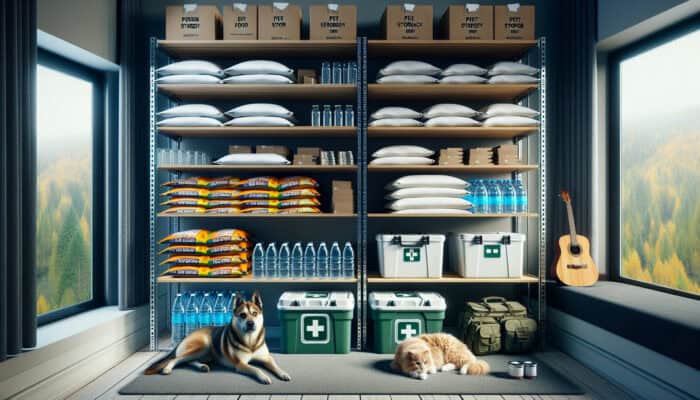
Preparing for unforeseen emergencies by maintaining a well-stocked supply of essential items for your pets is vital for their overall welfare. During crises, access to necessities such as food, water, and medical supplies can become severely restricted. Ensuring that pets have everything they need can prevent health complications and drastically reduce stress for both pets and their owners. By keeping these essential supplies readily available, you can respond quickly without the panic that often accompanies scrambling to find resources in a crisis. This preparedness creates a sense of security that is crucial for the well-being of both pets and their owners.
When stockpiling for your pets, consider including these essential items:
- Non-perishable food: Accumulate dry and canned food that meets your pet's specific dietary requirements.
- Water: Maintain at least a week's supply of clean water for each pet.
- Medications: Keep a sufficient supply of any necessary medications along with a comprehensive pet first-aid kit.
- Identification: Ensure your pets are properly identified with tags or microchips.
- Comfort items: Include their favorite toys or blankets to alleviate anxiety during stressful situations.
- Leash and carrier: Ensure you have durable leashes and carriers ready for transportation in case evacuation becomes necessary.
- Cat litter or training pads: Essential for maintaining hygiene during prolonged emergencies.
- Emergency contact information: Keep a list of veterinary contacts and emergency centers easily accessible.
By ensuring these items are included in your stockpile, you actively safeguard your pets' well-being during unexpected events.
Discover the Key Benefits of Early Preparation for Pets
Stockpiling pet supplies goes beyond merely having resources on hand; it fosters a proactive strategy that enhances overall resilience. One significant advantage of early preparation is the prevention of last-minute shortages. By establishing a dependable stockpile, pet owners can ensure that their pets remain comfortable and well-cared for even when resources become scarce. Early preparation encompasses more than just physical necessities; it cultivates a culture of readiness that enhances overall family safety.
Moreover, early stockpiling promotes proactive habits, which are essential for meeting basic needs such as nutrition and shelter. Establishing a consistent inventory system allows owners to monitor their supplies and adapt to ever-changing situations. This organized approach not only supports pet health but also fosters a sense of control and confidence among owners, significantly reducing anxiety during emergencies when time is critical.
Furthermore, early planning can lead to financial savings. By purchasing supplies in advance, pet owners can capitalize on sales and discounts, avoiding inflated prices during emergencies. This financial aspect is a frequently overlooked benefit that reinforces the importance of being prepared.
How to Seamlessly Incorporate Pets into Family Emergency Plans
Incorporating pets into family disaster plans is crucial for a comprehensive approach to emergency preparedness. It is essential to evaluate each pet's specific needs, including dietary restrictions, behavioral traits, and health conditions. By considering these factors, pet owners can devise a detailed plan that prioritizes their pets' safety during various emergencies, ranging from natural disasters to other crises.
A well-rounded family plan should assign roles to each family member for pet care. Assign tasks such as who will gather supplies, who will handle transportation, and what steps to take if a pet goes missing. This clear assignment of responsibilities not only improves efficiency but also alleviates stress during chaotic situations.
Conducting regular drills involving pets is vital so that everyone, including the pets, is familiar with the plan. Whether it involves practicing quickly loading pets into carriers or ensuring they remain calm in stressful situations, these rehearsals can significantly increase the likelihood of successfully implementing your emergency strategy.
Ultimately, integrating pets into family disaster plans strengthens the household's overall preparedness. It ensures that every member—human and animal—has a role and knows what to expect, increasing the likelihood of a smooth, well-organized response during times of crisis.
Implement Essential Strategies for Maintaining and Rotating Your Pet Stockpiles

Maintaining and rotating stockpiled items is a critical aspect of effective disaster preparedness. Regular inspections are necessary to ensure that supplies remain fresh, usable, and effective. Items such as food, medications, and other perishables can spoil or expire, posing risks to pets if not managed correctly. Establishing a routine for periodic inspections and inventory checks can help pet owners stay on top of their stockpiles.
One practical approach is to utilize the “first in, first out” (FIFO) method when managing your stockpile. This system ensures that the oldest items are consumed first, preventing waste and guaranteeing that pets receive the highest quality supplies available. This technique is particularly vital for food items since expired pet food can lead to serious health complications.
Additionally, pet owners should consider their pets' evolving needs over time. As pets age, their dietary and medical requirements may change. Regularly updating the stockpile to align with these transitions not only ensures that pets receive appropriate care but also promotes sustained preparedness and safety. Keeping a log or calendar for stockpile maintenance can streamline this process, making it easy to remember when to rotate supplies and assess needs.
Finally, an organized system for tracking and using stockpiled items can alleviate stress during emergencies, ensuring pet owners can quickly access what they need when it matters most. This proactive approach to maintaining and rotating stockpiles strengthens the safety net of pet care during crises.
Steps to Start Stockpiling for Your Pets
What Essential Items Should You Focus on First?
When embarking on the stockpiling process for your pets, prioritizing essential items is crucial. This foundational step ensures your pets are adequately covered from the outset, setting the stage for a structured, effective stockpile to develop over time. The first items to focus on are food and water, as these are the most critical necessities for survival.
Non-perishable pet food should form the backbone of your stockpile. Look for high-quality brands that provide balanced nutrition appropriate for your pet's specific dietary needs. Canned food can also be a fantastic option, offering moisture that helps keep your pet hydrated. In addition to food, storing at least a week's supply of clean water is vital. A general rule of thumb is to allocate one gallon of water per pet per day, taking into account their hydration needs.
Once food and water are secured, it is essential to consider medical supplies. Stocking up on any medications your pet requires, along with basic first-aid supplies, will enable you to address minor health issues during emergencies without immediate access to veterinary care. A comprehensive first-aid kit should include items like bandages, antiseptics, and tools for treating minor injuries.
By starting with these fundamental items, pet owners can ensure a solid foundation for their stockpiling efforts. This organized approach allows for the gradual addition of more specialized items over time, building a reliable supply reserve that keeps your pets safe and healthy during any crisis.
How to Effectively Organize Your Initial Supply Gathering

Organizing your initial supply gathering is vital for establishing an effective stockpile for your pets. A well-structured approach helps streamline the process, making it easier to maintain an optimal stockpile that supports your pet’s health and comfort. To start, categorize items by urgency and shelf life to prioritize what to purchase first.
Begin by drafting categories such as food, water, medical supplies, comfort items, and safety gear. Within each category, rank the items according to their criticality for immediate survival. For instance, food and water should take precedence over toys or other non-essential items. This prioritization will guide your purchasing decisions, ensuring that essential needs are met first.
Next, consider the shelf life of each item. Non-perishable foods and sealed medical supplies may last for years, while certain medications or perishables will require regular monitoring and replacement. Continuously updating your list based on expiration dates and your pets’ current needs will keep your stockpile fresh and usable.
Systematic organization of your supplies also enhances accessibility. Store items in designated bins or on shelves, labeling them clearly to avoid confusion during emergencies. This organization not only expedites the retrieval process during a crisis but also reduces stress, allowing for a calmer, more focused response when time is of the essence.
By adopting a comprehensive, organized approach to supply gathering, pet owners can significantly enhance their preparedness and ensure their furry companions have what they need when it matters most.
What Factors Should You Consider When Assessing Storage Needs for Pet Items?
Assessing your storage needs for pet items is a critical step in ensuring that your stockpile remains effective and accessible. Proper storage not only prolongs the usability of supplies but also safeguards their quality and safety. Begin by evaluating the available space in your home for storing pet supplies. Identify areas that are cool, dry, and away from direct sunlight, as these conditions help to preserve the quality of food and other perishable items.
Next, consider the volume of items you plan to store. Each category of supplies, such as food, medical items, and comfort items, may have different storage needs. For instance, canned pet food can be stacked, while bags of dry food should be kept in airtight containers to protect against moisture and pests. Organizing supplies in bins or labeled boxes can help maximize space and facilitate easy access during emergencies.
Additionally, take into account environmental factors that may impact supplies. If you live in an area prone to floods or earthquakes, ensure that your storage methods account for potential water damage or displacement. Elevating storage bins or using waterproof containers can offer added protection against unexpected weather events.
Finally, regularly reassess your storage system to ensure it adapts to any changes in your stockpile or living situation. This ongoing evaluation promotes sustained readiness and ensures that your pet supplies are always accessible when needed.
Best Practices for Maintaining and Rotating Your Pet Stockpile
Maintaining and rotating your pet stockpile is essential to ensure supplies remain fresh and effective. Regular checks of expiration dates and the overall condition of items help prevent waste and guarantee that your pets receive the best possible care during emergencies. Implementing a systematic rotation approach is vital, particularly for food and medications with limited shelf lives.
Establish a routine to inspect your stockpile at least every three months, check for expired items, and replace them as necessary. Keeping a checklist can simplify this process, allowing you to track what items are nearing expiration and need to be prioritized. Understanding the typical shelf life of your stocked items—such as dry food, which can last up to a year, versus canned food, which may last longer—will help you manage your inventory effectively.
Additionally, educate yourself about your pet's changing needs over time. As pets age or experience health changes, their dietary requirements may shift, necessitating adjustments in your stockpile. Keeping your stockpile dynamic ensures it evolves alongside your pet's needs, fostering ongoing preparedness.
Lastly, maintaining an organized inventory tracking system is crucial. Use clear labeling and, if possible, digital tools to track what you have and when each item needs review. This proactive approach will help maintain the integrity of your stockpile and ensure you are always prepared for any unexpected situation.
Expert Insights on Preparing Your Pet for Emergencies
Examine Real-Life Success Stories of Effective Stockpiling
Building an effective disaster supply stockpile for pets can be informed by real-world examples of successful strategies employed by pet owners facing various emergencies. One common method that has proven beneficial is regularly rotating supplies. For example, during hurricane season, many pet owners in coastal regions have shared their experiences of increasing their supply checks to ensure that food and medical items are fresh and ready for use. They often documented their practices and shared them in community forums, allowing others to learn from their experiences.
Another noteworthy example comes from pet owners living in wildfire-prone areas. They have established designated “go bags” for their pets, containing essential supplies like food, water, leashes, and first-aid kits. By keeping these bags in easily accessible locations, they can swiftly evacuate with their pets when necessary. Pet owners have reported that regular drills to practice evacuation with their pets not only improved their preparedness but also reduced anxiety levels for both humans and animals.
Moreover, some pet owners have leveraged technology to enhance their stockpiling efforts. Using inventory management apps helps them track essential supplies efficiently and receive alerts when items are nearing expiration. These technological tools have gained popularity among pet enthusiasts and have led to more streamlined preparation efforts.
These real-world examples highlight effective strategies that not only enhance pet safety but also provide a roadmap for others to build their disaster preparedness plans. By sharing insights and tactics among pet communities, owners can learn from each other's experiences and improve their own readiness for emergencies.
Avoid Common Pitfalls in Pet Stockpiling: An In-Depth Analysis
Understanding common pitfalls in the process of stockpiling pet supplies can help pet owners avoid ineffective preparation. A frequent mistake is overstocking perishables, which can lead to spoilage and waste. Many pet owners stockpile excessive food with a limited shelf life, only to find it unusable when an emergency arises. To avoid this, a balanced purchasing strategy should be adopted, focusing on non-perishable items that provide long-lasting sustenance.
Another common misstep is neglecting to tailor stockpiles to specific pet needs. Owners sometimes overlook dietary restrictions or health conditions, resulting in a stockpile that does not meet their pet's unique requirements. This oversight can lead to unnecessary stress during emergencies when access to preferred food or medications is limited. It’s critical to assess each pet’s individual needs and adjust stockpile contents accordingly.
In addition, some owners fail to establish a systematic method for inventory checks. Without routine inspections, it’s easy to overlook expired items or forget to replenish supplies, compromising the effectiveness of the stockpile. Implementing a regular schedule for inventory checks can help prevent these issues.
Finally, many pet owners neglect to create backup plans. Relying solely on one stockpile can lead to inadequate responses during emergencies. Having duplicate kits or plans for alternative storage locations can provide peace of mind and ensure readiness in various scenarios.
By steering clear of these pitfalls, pet owners can optimize their disaster-preparedness strategies, ensuring that both their pets and themselves remain safe and well cared for during any crisis.
Reliable Strategies for Sustainable Maintenance of Pet Stockpiles
Long-term maintenance of a disaster supply stockpile for pets requires consistent strategies to ensure that supplies remain relevant, usable, and effective. One reliable approach is to implement a scheduled maintenance plan that involves regular checks and updates of the stockpile inventory. This schedule should align with seasonal changes, allowing pet owners to adjust their supplies to address weather-related risks, such as floods or extreme temperatures.
Incorporating a tracking system, whether through digital tools or manual logs, can significantly enhance the effectiveness of stockpile maintenance. This system can document the expiration dates of items and alert owners when it is time to rotate or replace supplies. Keeping a digital calendar for alerts can streamline the process, ensuring that nothing falls through the cracks.
Additionally, it’s essential to stay informed about your pet’s changing needs, including age-related dietary adjustments or health updates. Regular communication with a veterinarian can provide insights into necessary changes in the stockpile, such as special dietary requirements or new medications. By aligning stockpile updates with veterinary advice, pet owners can ensure they provide their pets with the best possible care.
Lastly, community engagement can also play a vital role in effective long-term maintenance. Participating in pet owner groups or forums can facilitate the sharing of information and tips on best practices for stockpiling. Learning from others’ experiences can help refine your approach and ensure that your preparedness plan is robust and up to date.
By implementing these trusted strategies, pet owners will be better equipped to maintain their stockpiles effectively, ensuring that their pets receive the necessary care and support during emergencies.
What Essentials Must You Include in Your Pet Stockpile?
Critical Food and Water Selections for Your Pets
When preparing a disaster stockpile for pets, core food and water options are essential for maintaining their health and well-being. Non-perishable food should be the primary focus of your stockpile, as it ensures pets have the nutrition they need, even during extended emergencies. Dry kibble is an excellent choice due to its long shelf life, while canned pet food can provide added moisture and flavor, which some pets may prefer.
When selecting dry food, look for high-quality brands that meet your pet's specific nutritional needs. Reading the labels is crucial—ensure the food is formulated for your pet’s life stage (puppy, adult, or senior) and does not contain harmful fillers or ingredients. It’s wise to rotate your stockpile regularly to ensure you use the food before its expiration date and to maintain variety in flavors to keep pets interested.
Water is the next most critical component of any disaster stockpile. It’s recommended to store at least 1 gallon of water per pet per day to ensure hydration during emergencies when access to clean water may be compromised. Invest in sturdy, BPA-free containers for water storage, and regularly check for leaks or contamination. Additionally, consider including portable water bowls for easy access during evacuations or outdoor emergencies.
Lastly, be sure to have a plan for hydration during emergencies that may last multiple days. Consider investing in water filtration systems or purification tablets to make the gathered water sources safe for your pets. By prioritizing core food and water options, you can ensure your pets remain healthy and hydrated during any crisis.
Essential Medical Supplies Every Responsible Owner Must Stockpile
When creating a disaster supply stockpile for your pets, having the right medical supplies is crucial for effectively managing health issues when professional help is unavailable. Stocking essential items can make a significant difference in emergencies, allowing pet owners to address minor injuries or illnesses promptly.
Every pet first-aid kit should include necessities such as bandages, antiseptics, and gauze to treat cuts and scrapes. Incorporating items such as tweezers for tick removal and scissors can help handle various situations that may arise. It's also vital to include a digital thermometer, as monitoring temperature can be crucial for assessing a pet’s health during illness.
Medications specific to your pets’ needs are another critical aspect of your medical supply stockpile. Ensure that you have a sufficient supply of any prescription medications your pet may require. This might include allergy medications, anti-inflammatory medications, or other treatments recommended by your veterinarian. Keep medications in well-labeled, airtight containers to maintain their efficacy.
Additionally, consider including a guidebook that provides instructions on how to respond to various situations, from allergic reactions to cuts and scrapes or even CPR for pets. Familiarizing yourself with this information before an emergency can improve your response and help reduce panic.
By ensuring that you have a comprehensive set of medical supplies, pet owners can manage their pets' health effectively during emergencies, providing immediate care and reducing stress while awaiting professional assistance.
How to Choose Additional Safety Gear for Your Pets?
Choosing the right safety gear is essential for pet stockpiling, especially during emergencies when conditions can be unpredictable. Selecting additional safety gear involves evaluating both your pets' size and environment to ensure comprehensive coverage. Start with protective equipment, such as collars with identification tags, which are crucial in case pets become separated during an evacuation.
For dogs, consider investing in a sturdy harness that provides better control and comfort, particularly for nervous or excitable pets. This equipment can be particularly helpful during chaotic situations where quick movements may be necessary. For cats, consider carriers that are easy to open and close quickly, allowing for a smooth transition during emergencies.
Another critical safety gear component is a reflective vest or bright-colored collar that can enhance visibility in low-light situations. This can be especially important during nighttime evacuations or if pets escape into unfamiliar areas. Additionally, consider including pet life jackets if you live in flood-prone regions or areas with bodies of water. They provide an added layer of safety for pets that may find themselves in challenging water situations.
Also, consider protective gear for your pet's feet, especially for those with sensitive paws. Booties can shield pets from sharp debris or extreme temperatures, whether during evacuations or while navigating unfamiliar terrain. By carefully evaluating your pets' needs and pairing them with appropriate safety gear, owners can significantly enhance their pets' overall preparedness for emergencies.
Creating Emergency Shelter and Comfort Items for Your Pets
Providing emergency shelter and comfort items for your pets is essential for maintaining their emotional and physical well-being during crises. Pets, like humans, experience stress during emergencies, and having a secure environment can help minimize anxiety. Start by considering portable crates or carriers that are easy to transport. These should be large enough for your pet to stand, turn around, and lie down comfortably.
In addition to carriers, include blankets or bedding that smell like home. Familiar scents can provide comfort and reassurance to pets in unfamiliar or stressful situations. These comfort items help create a safe space where pets feel secure, reducing anxiety during challenging events.
If you have outdoor pets, consider building a simple emergency shelter that can protect them from the elements. A sturdy doghouse or an insulated tent can provide a haven during harsh weather. Additionally, include items like chew toys or familiar playthings to keep pets engaged and distracted during stressful times.
During evacuations, ensure you have essentials like leashes and harnesses readily available to keep pets secure and calm. Being prepared with these comfort items not only makes the transition smoother for pets but also fosters a sense of trust and security that contributes to overall well-being during crises.
Research-Backed Benefits of Disaster Supply Stockpiling for Pets
Research indicates that having a well-prepared disaster supply stockpile can significantly reduce stress-related issues in pets, enhancing their overall health and well-being. Studies show that animals are sensitive to their environments, and disruptions—such as natural disasters or unexpected evacuations—can lead to increased anxiety and behavioral problems. By having familiar resources readily available, such as food, water, and comfort items, pets can maintain a sense of stability during these stressful times.
Moreover, pet owners who proactively prepare for emergencies report greater peace of mind, which in turn positively affects their pets. When pet owners are more relaxed and organized, it creates a calmer atmosphere for the pets, helping to alleviate their anxiety. This is particularly crucial in high-pressure situations where quick decisions must be made.
Additionally, prepared stockpiles can reduce the risk of health complications in pets. Access to fresh food and proper medical supplies during emergencies can help prevent serious health issues. The ability to manage minor injuries or illnesses without immediate veterinary care can also help maintain the pet's health and minimize stress during significant disruptions.
By prioritizing disaster supply stockpiling, pet owners not only enhance their pets’ immediate well-being but also foster a healthier, more resilient relationship with their furry companions.
Key Takeaways on Effective Storage Solutions for Pet Supplies
Effective storage methods are critical for maintaining a disaster supply stockpile for pets, and various research-backed techniques can optimize this aspect of preparation. One significant finding indicates that proper organization extends the usability of supplies, thereby enhancing accessibility during emergencies. Storing items in clear, airtight containers can prevent spoilage and contamination while making it easy to quickly identify contents.
Additionally, categorizing supplies based on type—such as food, medical supplies, and comfort items—improves organization and retrieval times. This method ensures that essential items are readily available when needed, reducing stress during an emergency.
Research also supports the importance of maintaining optimal environmental conditions for storage. Items should be kept in cool, dark, and dry areas to prolong their shelf life. For example, pet food stored in direct sunlight can degrade more quickly, leading to a loss of nutritional value. Implementing climate-control measures, such as temperature-monitoring devices, can further safeguard supplies.
Lastly, adopting a rotation system, such as FIFO, is essential. This approach helps ensure that the oldest items are used first, preventing waste and guaranteeing that pets have access to the highest quality supplies when emergencies arise. By implementing these research-backed storage methods, pet owners can significantly enhance their disaster readiness and ensure their pets' health and well-being.
Strengthening Owner-Pet Bonds Through Preparedness
Accumulated evidence suggests that consistent stockpiling of supplies strengthens the bond between pet owners and their pets, fostering trust and emotional resilience. When pet owners invest time and resources into preparing for emergencies, it creates a deeper connection based on care and responsibility. This proactive approach fosters an environment where pets can rely on their owners during stressful times, increasing their sense of security.
Moreover, the routine of regularly checking and rotating supplies can become an integral part of the pet owner’s lifestyle, leading to improved interactions with their pets. It not only ensures that pets have what they need but also reinforces the owner's commitment to their well-being. Engaging in these preparation activities together can enrich the emotional connection and foster a deeper understanding of each other's needs.
Additionally, pets that experience consistent care and preparedness are less likely to exhibit anxiety-related behaviors during emergencies. This emotional stability can enhance the overall well-being of both pet and owner, resulting in a more harmonious relationship. By establishing a proactive stockpiling routine, pet owners can enrich their bond with their furry companions, creating a resilient partnership capable of facing various challenges together.
How to Maintain Your Pet Stockpile Effectively?
What Regular Inspections are Essential for Your Pet Stockpile?
Maintaining a disaster supply stockpile for pets involves conducting regular checks to ensure that all items are in good condition and up to date. Periodic inspections are crucial for identifying expired items and ensuring that supplies remain functional and reliable for ongoing pet protection. Establish a routine, ideally checking your stockpile every three months, to evaluate the status of food, medications, and other essential supplies.
During these inspections, start by examining expiration dates on both food and medical supplies. Discard any expired items and replace them promptly to maintain a fully stocked and usable supply. Additionally, check the physical condition of containers and packaging; look for signs of damage or tampering that could compromise the quality of the contents.
Inventory tracking is another vital aspect of maintaining your stockpile. Keeping a checklist or using digital inventory management tools can help streamline the process and ensure nothing is overlooked. Documenting what you have on hand and what needs replenishing can create a more organized approach to stockpiling.
Lastly, use these regular checks as opportunities to reassess your pet's changing needs. As pets age or health conditions evolve, their requirements may shift, necessitating updates to the stockpile. By committing to this regular checkup routine, pet owners can ensure consistent preparedness and protect their pets effectively during emergencies.
Updating Supplies to Match Your Pet's Changing Needs
Updating your pet supply stockpile based on changing needs is a crucial aspect of maintaining effective disaster preparedness. Pets are dynamic beings, and their needs can change with age, health conditions, or lifestyle changes. Regularly assessing these factors is essential to ensure that the stockpile continues to meet its needs.
Start by scheduling routine consultations with your veterinarian. These appointments can provide valuable insights into any necessary dietary adjustments, medications, or supplements your pet may require as they age or experience health changes. Keeping open lines of communication with your vet helps ensure that your stockpile aligns with your pet's current needs.
Additionally, observe your pet's behavior and physical health. Changes in appetite, energy levels, or any new health developments should trigger a review of your stockpile. If your pet is diagnosed with a specific condition that requires special food or medication, promptly incorporate these items into your stockpile to prevent gaps in care.
Also, consider adjusting your supply inventory if you welcome a new pet into your home or if you are fostering animals. Each pet may have different needs, so updating your stockpile to accommodate all members of your household ensures that everyone has the necessary care and resources.
By actively updating supplies to meet your pet's evolving needs, you can foster ongoing preparedness, ensuring your furry companions receive the best possible care during emergencies.
Integrating Seasonal Adjustments into Your Stockpile Strategy
Integrating seasonal adjustments into your disaster supply stockpile is vital for ensuring supplies remain effective throughout the year. Different seasons bring unique challenges that can affect pet safety and well-being. By proactively adapting your stockpile to account for seasonal changes, you enhance your overall preparedness.
Start by evaluating the specific risks associated with each season. For instance, in winter, additional supplies such as blankets, paw protection for cold or icy conditions, and extra food can be crucial. Stocking items that help manage winter-related health concerns, such as paw balms to prevent cracking, ensures that pets stay comfortable and safe during colder months.
Similarly, during summer, consider including cooling vests or mats for pets susceptible to heat stress. Hydration becomes even more critical, so ensure that your water supply is ample and that you have portable water bowls on hand for outdoor activities.
In addition to physical supplies, assess your emergency plans as seasons change. For instance, in areas prone to severe storms during particular months, ensure that your evacuation routes and emergency contacts are up to date. Regularly revisiting your plans and adjusting supplies based on seasonal considerations can significantly enhance your readiness.
By integrating seasonal adjustments into your stockpile, you create a dynamic and responsive preparedness strategy that promotes your pet's safety and well-being throughout the year.
Implementing a Systematic Rotation of Your Stockpile Items
Rotating your stockpile items is a core practice for maintaining a functional and effective disaster-preparedness strategy for your pets. Implementing a systematic rotation system, such as the first-in, first-out (FIFO) method, helps unusable products remain fresh and viable. This approach minimizes waste and ensures your pets have access to high-quality items during emergencies.
Begin by organizing your stockpile so you can easily identify older items. Place newer purchases behind older ones to encourage the use of items approaching their expiration dates. Keep a checklist or a digital inventory system to track purchase dates and rotation schedules, making it easier to manage your stockpile effectively.
Regularly inspecting items as part of your rotation process is essential. A quarterly check-in can help identify any expired products and determine what needs to be used or replaced. During each inspection, note the condition of packaging and seals to ensure that items remain protected from contamination or spoilage.
Additionally, encourage all household members to be involved in the rotation process. Educating the entire family about the importance of using older items first fosters a sense of collective responsibility for maintaining the stockpile. This cooperation can also foster a sense of preparedness in the household.
By establishing a reliable rotation system and actively managing their stockpile, pet owners can ensure their supplies remain fresh, reducing waste and enhancing emergency readiness.
Organizing the Stockpile for Quick and Easy Access
Organizing your disaster supply stockpile for easy access is crucial for ensuring a swift response during emergencies. When time is limited, a well-structured, accessible stockpile can significantly reduce stress and improve reaction times. Begin by categorizing your supplies by type, such as food, medical supplies, comfort items, and safety gear.
Utilize clear, labeled containers or bins to store each category of supplies. This organizational method not only helps identify items quickly but also prevents confusion during emergencies. Consider utilizing shelving to maximize vertical space, making it easier to organize your stockpile while keeping everything within reach.
An accessible inventory system can further enhance organization. Maintain an up-to-date list of supplies, noting their locations and expiration dates. This list can be digital or written, but it should be easily retrievable during emergencies. Placing the inventory list in a prominent location, such as on the outside of a storage bin, ensures that everyone in the household can quickly refer to it.
Lastly, practice retrieval drills with your family, involving the pets as well. Simulating emergency scenarios where you need to access specific items will enhance familiarity with your stockpile and reduce panic during actual events. By prioritizing organization and accessibility, pet owners can create a system that supports long-term preparedness and ensures nothing is overlooked during critical situations.
Avoiding Common Stockpiling Mistakes for Pet Owners
Understanding the Importance of Pet-Specific Requirements
One of the significant mistakes pet owners make when stockpiling supplies is overlooking individual pet-specific requirements. Each pet has unique dietary needs, health conditions, and preferences, and failing to consider these can undermine the effectiveness of your preparation efforts. For example, pets with allergies may require specialized food that isn't part of a generic stockpile, leading to potential health issues during emergencies.
Understanding your pet’s unique needs is crucial in creating a tailored stockpile. Assess any dietary restrictions, medications, or behavior-related requirements that should be factored into your preparation. Keeping a detailed profile for each pet can help you identify their specific needs and ensure your stockpile adequately meets them.
Additionally, neglecting to include comfort items that cater to individual pets can increase stress during emergencies. Familiar toys, blankets, or bedding can provide psychological comfort, and omitting these can lead to anxiety in pets that may already be stressed.
To avoid this common pitfall, regularly consult your veterinarian to update your pet's health and dietary needs, and maintain a flexible stockpile that can adapt to their needs. By focusing on individualized preparation, pet owners can enhance their pets' well-being during emergencies.
What Are the Consequences of Neglecting Rotation?
Neglecting the rotation of stockpiled items can lead to spoilage and waste, ultimately compromising the effectiveness of your disaster preparedness efforts. When items are not regularly checked and rotated, it increases the likelihood that food will expire or medications will lose potency, posing serious health risks to pets when they are needed most.
For example, pet food that sits unused for too long can become stale or even develop mold, rendering it unsafe for consumption. Medications can also lose their efficacy over time, which could lead to untreated health conditions during emergencies. The consequences of neglecting rotation can be severe, as pet owners may find themselves without the necessary supplies in critical situations.
Implementing a consistent rotation system, such as the first-in, first-out (FIFO) method, can help mitigate these risks. It's important to schedule regular checks, ideally every three months, to ensure you use older items first and replace them as needed. Keeping a log of expiration dates and inventory can further enhance your stockpile management and ensure that your supplies remain usable.
By prioritizing regular rotation and inspections, pet owners can avoid spoilage and waste, maintaining a reliable supply of essential items for their pets during emergencies.
Why Backup Planning is Crucial for Preparedness?
Ignoring backup planning options is another common mistake in pet disaster supply stockpiling. Relying solely on a single stockpile can leave pet owners vulnerable during emergencies. If an unforeseen event occurs—such as a natural disaster or unexpected evacuation—having alternative strategies or duplicate kits can be invaluable.
Creating backup plans ensures that pet supplies are accessible even if the primary stockpile is compromised. Consider establishing additional storage points for supplies at different locations, such as a friend or family member's house or even in your vehicle. This redundancy can provide peace of mind and greater security during emergencies.
Furthermore, consider preparing “go bags” that contain essential supplies for immediate evacuation. These bags should include food, water, matches, and comfort items that can be grabbed at a moment’s notice. This proactive approach allows pet owners to ensure their pets are cared for even during chaotic situations.
Regularly review and update these backup options to keep them relevant. Engage the entire household in these plans, ensuring that everyone understands their roles and knows the locations of backup supplies. By addressing these contingencies, pet owners can enhance their disaster preparedness and ensure that their pets are safe and cared for during unexpected events.
Final Steps for Comprehensive Pet Preparedness
Why It’s Essential to Test Your Stockpile Regularly?
Regularly testing your stockpile is crucial for verifying its readiness and identifying weaknesses in your disaster-preparedness strategy. Simulating emergency scenarios helps ensure your pet supplies are adequate and accessible when real events occur. This proactive approach allows you to assess the effectiveness of your stockpile and uncover any gaps that require attention.
Conducting these tests involves creating mock scenarios in which you would need to use your supplies. For instance, practice retrieving food, water, and first-aid items from your stockpile to ensure you are familiar with where everything is located. This process can also help identify any items that may need to be replaced or replenished.
In addition to assessing inventory, testing your stockpile conditions—such as checking for leaks or damage to containers—is essential. If items are stored incorrectly or have become compromised, timely action can prevent waste and ensure that the stockpile remains functional.
Regular testing not only builds confidence in your preparedness plan but also fosters a sense of responsibility. Engaging all household members in these exercises can enhance teamwork and ensure that everyone knows their roles and responsibilities in an emergency.
By regularly testing their stockpile, pet owners can reinforce their preparedness and ensure their pets are cared for effectively during crises.
How to Align Your Stockpiling with Household Routines?
Coordinating your stockpiling efforts with household routines is essential for seamless integration into daily life. When disaster preparedness becomes a natural part of family routines, it alleviates the burden of emergency preparation and transforms it into a collective responsibility.
Start by setting regular reminders for supply replenishment checks and supply replenishment. Integrating these tasks into existing household activities, such as grocery shopping or cleaning days, can make maintaining the stockpile feel less overwhelming. For instance, incorporating a quick review of pet supplies during monthly grocery trips can help ensure that essential items are always on hand.
Additionally, engage family members in the stockpiling process. Encourage everyone to take part in preparing, rotating, and inspecting supplies. This approach not only fosters teamwork but also educates all household members about the importance of disaster preparedness, ensuring that everyone is informed and ready to act in emergencies.
Establishing a routine for checking and updating supplies can also create a sense of familiarity and comfort for pets. When pets are involved in preparation activities, they are more likely to adapt positively to the changes that may occur during emergencies.
By integrating stockpiling efforts into household routines, pet owners can adopt a sustainable approach to preparedness, ensuring that both pets and humans are ready for any challenges that may arise.
Ensuring Quick Access During Evacuations
Ensuring accessibility during evacuations is a critical component of disaster preparedness for pet owners. In emergencies, having portable and labeled items readily available can facilitate quick grabs, which is essential for safely relocating pets and maintaining their well-being.
Start by preparing “go bags” for each pet, ensuring all essential supplies are in easy-to-carry backpacks or containers. These bags should include food, water, medications, leashes, and comfort items. Label the bags clearly with each pet’s name to make it easier to grab the right items during an evacuation.
Positioning these bags in accessible locations, such as near the front door or in the car, can enhance readiness. Conduct drills that mimic evacuation scenarios so that every household member understands where supplies are located and can retrieve them efficiently. Practicing these scenarios can help alleviate panic during real emergencies and improve overall response times.
In addition to go bags, consider portable crates or carriers for transporting pets. Ensure these carriers are familiar to your pets to reduce anxiety during evacuations. Having comfortable bedding and familiar scents in their carriers can also help ease stress.
By prioritizing accessibility during evacuations, pet owners can ensure a smoother relocation process, minimizing anxiety and enhancing their furry companions' overall well-being during emergencies.
Frequently Asked Questions About Pet Emergency Preparedness
What Must Be Included in My Pet Emergency Kit?
Your pet emergency kit should include food, water, medications, first-aid supplies, leashes, carriers, comfort items, and identification tags or microchips.
How Frequently Should I Check My Pet Stockpile?
It's advisable to check your pet stockpile every three months to assess expiration dates, replace items, and ensure everything is in good condition.
Can I Stockpile Homemade Pet Food?
Yes, homemade pet food can be stockpiled, but ensure it is properly sealed and stored in a cool, dry place to maintain freshness and prevent spoilage.
How Do I Determine the Best Food for My Pet During an Emergency?
Choose high-quality, non-perishable foods that meet your pet's dietary needs. Consult your veterinarian for specific recommendations based on your pet's health.
Is Having a Pet First-Aid Kit Necessary?
Yes, having a pet first-aid kit is essential for managing minor injuries and health issues when professional help is not immediately accessible.
How Can I Help Reduce My Pet's Anxiety During an Emergency?
To reduce anxiety, include familiar comfort items in your emergency kit, practice regular drills, and create a calm environment during stressful situations.
What Should I Do if My Pet Has Special Dietary Needs?
Ensure your stockpile includes specialized food that meets your pet’s dietary restrictions, and consult your veterinarian for any additional supplements or needs.
How Can I Keep My Stockpile Well-Organized?
Use labeled containers, categorize items by type, and maintain an up-to-date inventory to keep your stockpile organized and accessible during emergencies.
What Is the Best Way to Transport My Pet During an Evacuation?
Use a secure carrier or crate that your pet is familiar with, ensure they are comfortable, and have leashes and identification tags readily available for transport.
How Can I Involve My Family in Pet Emergency Preparedness?
Engage family members in creating and maintaining the stockpile, conducting practice drills, and assigning specific roles to ensure everyone understands their responsibilities during emergencies.
Connect with us on Facebook today!
The Article Disaster Supply Stockpiling for Pets: Top Tips First Published On https://elgatoencasa.com




No responses yet