Understanding the Reasons Behind LED Light Malfunctions
Various factors can lead to LED lights malfunctioning, such as a faulty driver (power supply), loose wiring connections, incompatible dimmer switches, or issues with the LED module itself.
In Australia, it is imperative to engage a licensed electrician to inspect any mains-voltage connections to ensure both safety and compliance with local regulations, thereby protecting your home and investment.
Spotting Common LED Lighting Problems and Effective Solutions
Although LEDs are renowned for their energy efficiency and reliability, they can sometimes fail to operate as expected. Frequently, the root of the problem is not the LED itself but rather associated components or errors during installation.
In the sections that follow, we will delve into the common issues experienced with LED lighting and supply actionable solutions. Moreover, we will identify when it is essential to enlist the help of your local electrician in Melbourne’s outer eastern suburbs for professional support.
1. Evaluate the Power Supply and Driver for Potential Issues
Many LED lights depend on a driver (or transformer) that converts mains voltage (230–240 V) to the appropriate low-voltage required for LED modules to function correctly. If this driver fails, the LED may not light up at all or could flicker inconsistently.
Steps for Troubleshooting:
- Ensure that the switch or automatic circuit breaker is turned on.
- If the LED is visible, check for signs of driver burn-out or any physical damage.
- Consider whether any recent modifications have been made to your lighting system, such as adding dimmers or increasing the run length of strip lighting beyond the driver's capacity.
- In Australia, confirm that all components meet lighting product standards like AS/NZS 62560, particularly for mains voltage LED lamps, and have a licensed electrician manage any direct mains wiring.
When to Seek Professional Assistance:
If you find that the driver is defective or that the wiring has been altered, it is essential to consult a licensed electrician to address the issue. Connecting LED modules directly to mains power without the required driver or safety measures is not compliant with regulations and can be dangerous.
2. Check for Loose or Poor Electrical Connections
A prevalent cause of LED lights not operating correctly is compromised connections. This issue can arise from loose terminal blocks, damaged wire ends, or degraded connections within walls or junction boxes, all of which can disrupt the flow of electricity and result in malfunction.
What to Inspect:
- Always disconnect the power at the switchboard prior to any inspections.
- Check terminal blocks for tightness and look for any visible signs of overheating, such as brown marks or melted plastic.
- Inspect any connectors located in strip lights, downlights, or under-cabinet lighting systems.
- Make sure that ceiling roses or junction boxes have not been modified without maintaining proper connections.
Why This Matters:
Loose connections can increase electrical resistance, generate excess heat, and lead to premature failure of the LEDs, potentially resulting in a fire hazard. According to the wiring rules (AS/NZS 3000:2018), all electrical terminations must be secure to ensure safety and compliance.
3. Is Your Dimmer or Control System Compatible with LEDs?
If your LED lights flicker, buzz, or remain off when connected to a dimmer circuit, there is a significant chance that the dimmer is incompatible with LED loads. Many older dimmers were engineered for incandescent or halogen bulbs and cannot accommodate the lower wattage draw of LEDs.
Recommended Actions:
- Consider replacing the dimmer with one specifically rated for LED lighting.
- If utilizing smart lighting systems, ensure that the driver and control device are compatible with one another.
- For strip lighting applications, confirm that the controller or remote is capable of managing the correct voltage and current requirements.
Pro Tip: If the light completely shuts off when the dimmer is set to full brightness, this strongly suggests that the dimmer is not suited for that particular LED load.
4. Are You Using Over-Length LED Strip Runs or Experiencing Heat Issues?
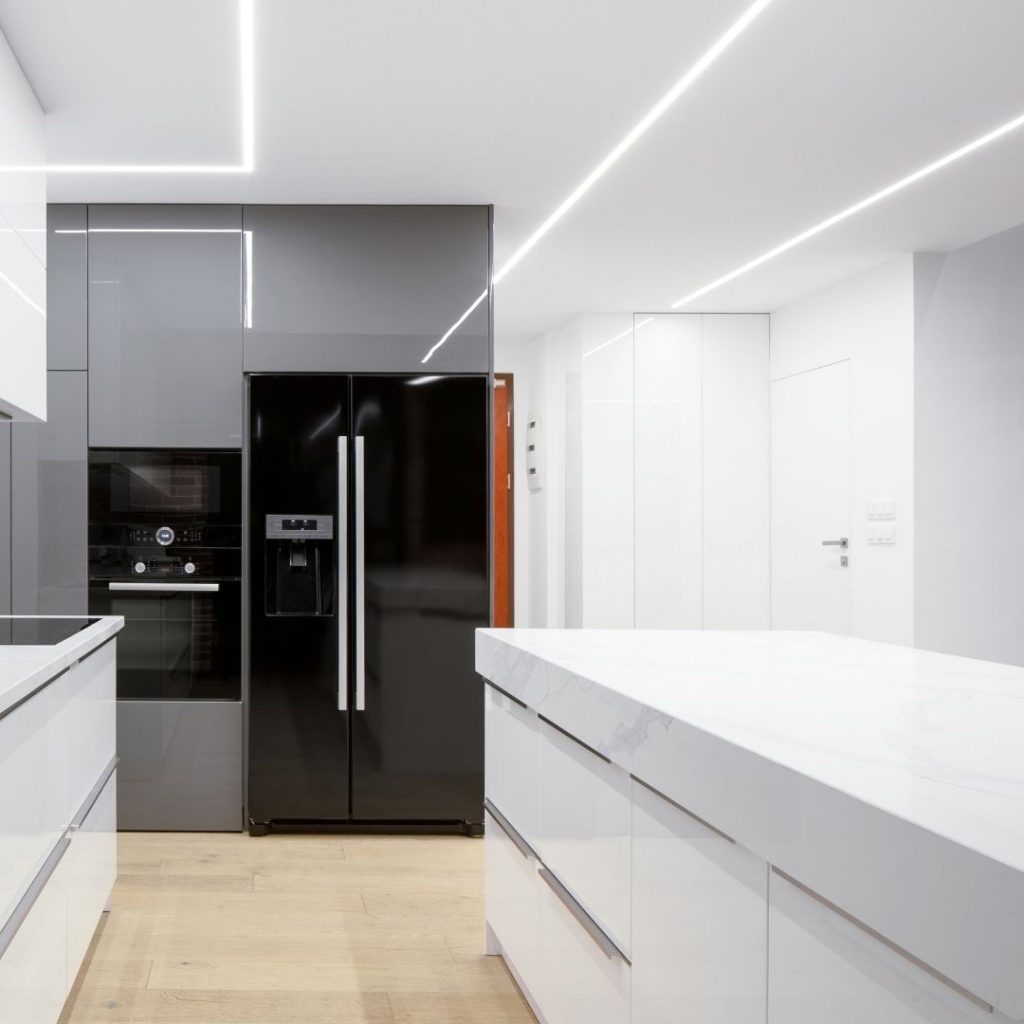
While LED strip lights offer a versatile lighting solution, they come with specific limitations. Over-length runs can result in voltage drops, causing the modules at the far end to fail, or the adhesive backing may detach in hot or damp conditions.
What to Verify:
- Ensure that strip runs adhere to the maximum length recommended by the manufacturer.
- In outdoor or moisture-prone areas, utilize appropriately rated IP-rated strips and drivers for added safety.
- Check that heat is not being trapped behind the strips; recessed or enclosed channels must allow for adequate cooling.
- Inspect the adhesive mounts for cleanliness; if the strips have fallen, connections may have been compromised.
Importance in Australia: Lighting product regulations mandate that fixtures and strips must be properly certified and installed by qualified professionals when integrated into mains circuits, ensuring compliance and safety standards are upheld.
5. Have Your LED Modules or Chips Experienced Failure?
In rare cases, the LED modules themselves may fail, particularly if they have been subjected to overheating, over-current situations, or flawed installation practices.
If one section of modules is dark while others are functioning properly, and you have ruled out issues with the power supply and connections, it may become necessary to replace the affected modules.
- If the system is still under warranty, ensure that replacement modules or strips are installed in accordance with the original specifications.
- When replacing, be sure that the new modules match the original specifications for voltage, colour temperature, and current requirements.
- If the replacement requires any alterations to wiring or switching drivers, a licensed electrician should carry out the work to guarantee compliance and safety.
6. Embrace Smart Products to Prevent Future LED Lighting Problems
Proactive maintenance can substantially reduce the likelihood of LED failures and extend their operational lifespan. Here are some best practices to consider:
- Always select LED strips and fixtures that carry the RCM (Regulatory Compliance Mark) and comply with Australian standards.
For further information, refer to resources from the Australian Lighting Council. - Ensure that your electrician verifies that drivers and dimmers are rated for LED loads to avoid compatibility issues.
- Maintain effective cooling and ventilation behind downlights or strips to prevent overheating.
- Avoid connecting different batches of LED strips in series, as voltage mismatches can lead to failures.
- Schedule an electrical inspection every 3 to 5 years, especially for integrated lighting circuits, to ensure ongoing safety and compliance.
When Is It Critical to Contact a Licensed Electrician?
If you experience any of the following issues, cease using the circuit immediately and contact a qualified electrician:
- Warm or hot light fittings or driver units
- Discoloured or charred wiring insulation or terminal blocks
- Lights that go completely dark after a DIY fix
- Multiple lights on a circuit failing in quick succession
In Victoria and throughout Australia, any mains-voltage lighting installations, wiring alterations, or fault-finding must be performed by a licensed electrician, adhering to the standards established by AS/NZS 3000:2018 and state licensing requirements. Engaging in DIY work may void product warranties, insurance coverage, and could breach legal regulations.
Essential Tips for Maintaining Your LED Lighting System
LED lighting provides unmatched efficiency, durability, and design versatility, but these benefits are only realized when systems are installed and maintained properly.
If your LED lights are malfunctioning or flickering, the underlying cause typically relates to the driver, wiring connections, dimmer compatibility, or load issues, rather than the LED unit itself.
For homeowners in Melbourne’s outer eastern suburbs, the most effective strategy is to consult a licensed electrician who is knowledgeable about local regulations and lighting standards. While fixing the light itself may be straightforward, ensuring its ongoing reliability and safety is where the true value lies.
The Article: Fix LED Lights Not Working: Essential Tips for Homeowners first appeared on https://writebuff.com


No responses yet