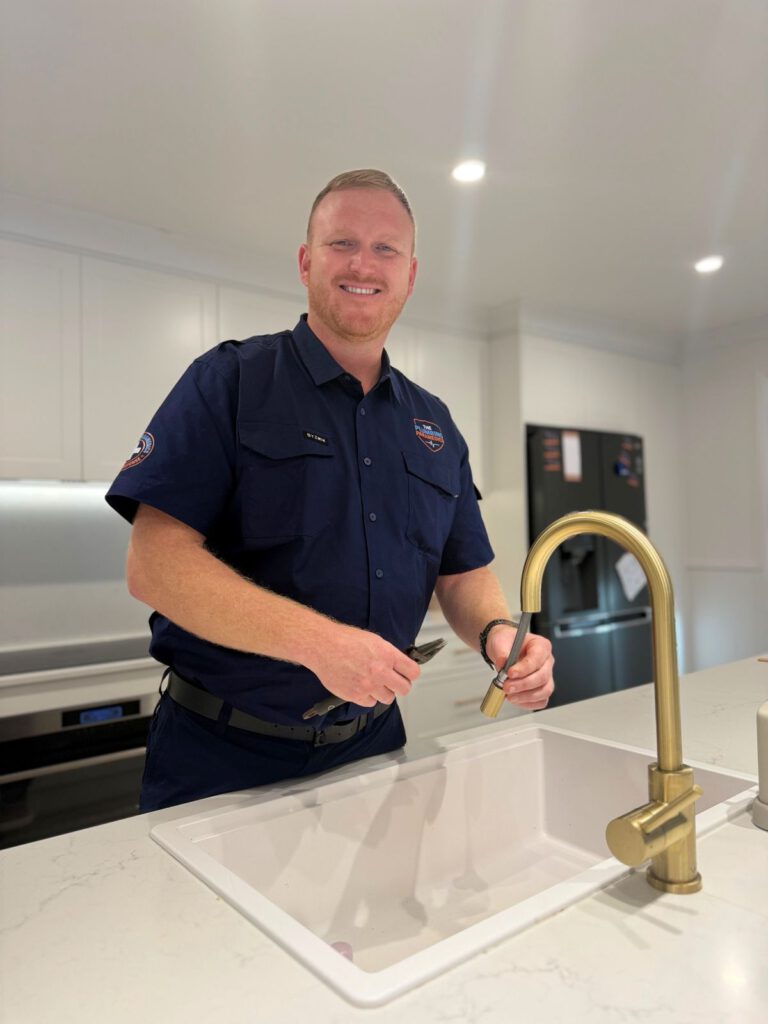
Flexi-hoses generally have a lifespan ranging from 5 to 10 years, yet many fail before reaching this expected duration. These braided silver hoses are typically located under your taps, toilets, and kitchen sinks. When a flexi-hose bursts, it can unleash mains-pressure water until someone turns it off, making them a primary contributor to indoor flooding incidents in the Hills District.
Let’s delve into their actual lifespan, the reasons behind their failures, and how to inspect yours to avert potential disasters.
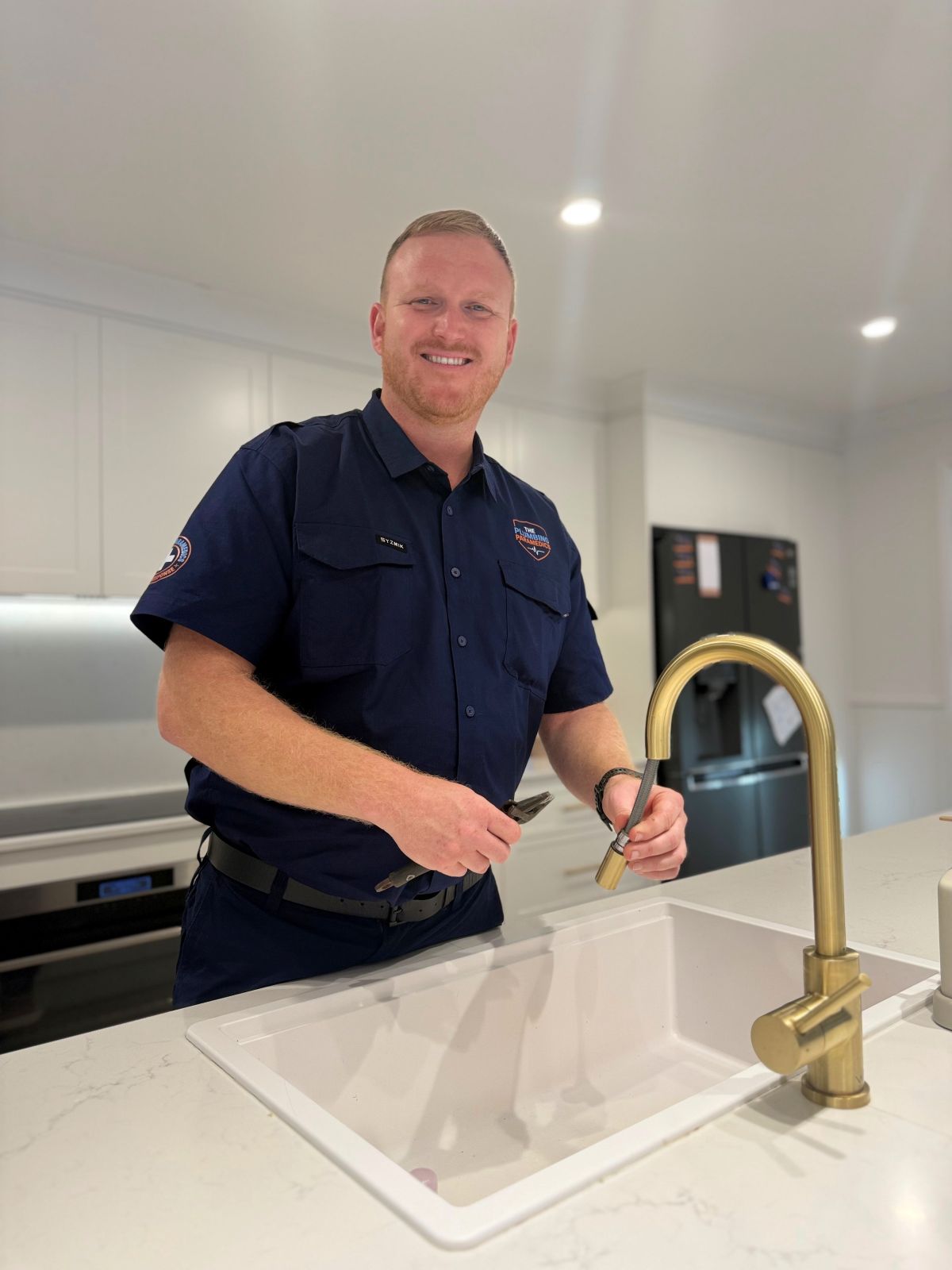
What Are Flexi-Hoses and How Do They Function?
A flexi-hose, or flexible braided hose, acts as a connector linking your water supply to various fixtures, such as those beneath the bathroom vanity, kitchen sink, toilet cistern, and laundry. Inside these hoses lies a rubber tube, which is protected by a woven stainless steel braid designed to withstand pressure.
Flexi-hoses are cost-effective, easy to install, and are commonly found in modern Sydney homes. their limited lifespan means that a sudden failure can result in a significant leak, unlike the gradual onset of a slow leak.
What Is the Expected Lifespan of Flexi-Hoses?
You can typically expect flexi-hoses to last between 5 and 10 years. Manufacturers often cite this range as a standard lifespan, with many warranties reflecting the lower end. While some hoses may last beyond ten years, others could fail after just five.
The inconsistency in lifespan can be attributed to various factors, including water pressure, water quality, hose material, and the installation environment. For instance, a low-quality hose situated in a humid, hot area under high pressure will not last as long as a high-quality hose located in a dry, well-ventilated cupboard.
As a general rule, if you’re uncertain about the age of your hoses, consider replacing any that are over ten years old.
What Factors Contribute to Flexi-Hose Failures and Home Flooding?
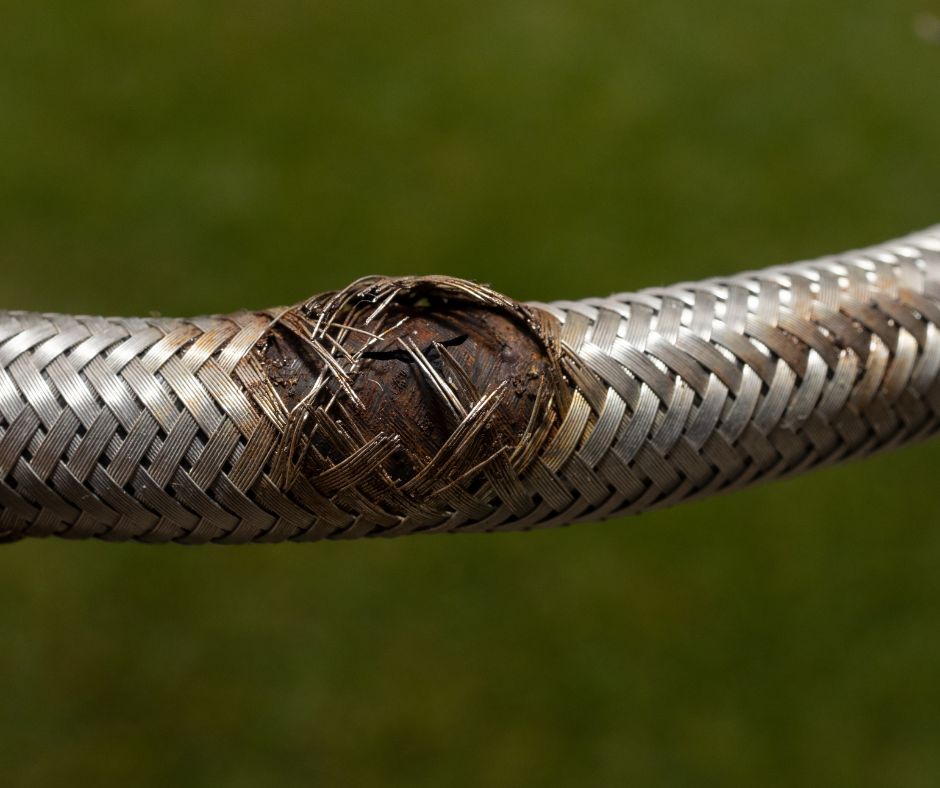
The deterioration of the braid serves as a significant indicator of impending failure. Over time, the stainless steel strands may corrode and break, while the rubber inner tube deteriorates, ultimately leading to hose failure under mains pressure. When a flexi-hose bursts, it does so suddenly, releasing a large volume of water.
A ruptured flexi-hose beneath a sink can rapidly flood an area, especially if the failure occurs while you are away or asleep. This can result in substantial financial damage to flooring, cabinetry, and ceilings below.
Here are some common reasons why flexi-hoses fail prematurely:
Corrosion of the Braid
Damp and poorly ventilated areas, particularly bathroom vanities, accelerate the corrosion of the steel braid. If you observe rust spots or frayed wires, this indicates that the hose is already compromised.
Improper Installation: Over-tightening or Kinking
A hose that is bent too sharply, twisted, or excessively tightened during installation is under stress from the beginning. Kinks can weaken both the inner tube and the braid at the bend, leading to premature failure.
Excessive Water Pressure
High mains pressure places every hose, fitting, and washer in your home under constant strain. Elevated water pressure can cause hoses to fail sooner, affecting other connections as well.
Utilising Poor Quality or Aged Hoses
Low-quality hoses, or those that have simply aged, are among the most frequent causes of failures we encounter. The combination of age, inadequate ventilation, and high pressure often leads to flooding.
How Can You Effectively Inspect Your Flexi-Hoses?
You can perform a quick inspection yourself, and it is advisable to do so biannually. Begin by opening the cupboards beneath your sinks, vanity, and laundry, and closely examine the braided hoses.
Look for signs of rust, fraying or broken wires in the braid, any bulging or kinks, and check for dampness or corrosion at the fittings. Inspect each hose along its entire length. If you find any rust, fraying, or bulging, or if you cannot recall when they were last replaced, it’s time to contact a plumber for a replacement.
While inspecting, locate your main water shut-off valve and ensure you know how to turn it off. In the event of a burst, this valve will be essential for stopping the flood.
Can You Replace a Flexi-Hose Yourself?
Yes, homeowners in NSW can legally replace a flexi-hose themselves, similar to replacing a tap. It is crucial to perform the task correctly, as the connection must maintain a seal under constant pressure, and improper installation can lead to flooding.
If you feel confident, turn off the water at the fixture or main supply, relieve any pressure, and install a quality WaterMark-approved hose, ensuring it is not over-tightened or kinked. If you prefer to avoid the risk, or if you wish to have all the hoses in your home inspected and replaced at once, our team can assist you. We frequently handle such tasks alongside tap installations; for more details, visit our tap repairs and installation page.
If one has already burst, shut off your water at the main and contact us immediately. A burst flexi-hose constitutes a plumbing emergency, and we are available seven days a week to respond.
Frequently Asked Questions About Flexi-Hoses
What Is the Typical Lifespan of Flexi-Hoses Before Replacement Is Required?
Most flexi-hoses last approximately 5 to 10 years, with many failing before reaching the ten-year mark. Manufacturers typically provide this lifespan range, but the actual duration depends on factors such as water pressure, water quality, hose material, and installation conditions. For instance, a hose in a damp, poorly ventilated vanity under high pressure will wear out faster than one located in a dry, well-ventilated cupboard. Because failures are often sudden and significant, it is wise not to wait for a problem to arise. If you are unaware of the age of your hoses, consider any over ten years old as needing replacement, and inspect them biannually for signs of rust or fraying. Replacing an ageing hose is a minor expense compared to the cost of repairing damage caused by a burst.
What Causes Flexi-Hoses to Burst and Result in Flooding?
Flexi-hoses tend to burst due to the corrosion of the stainless steel braid surrounding the rubber inner tube, which eventually leads to snapping, as well as the degradation of the rubber itself. Once the hose can no longer withstand mains pressure, it ruptures, releasing a significant volume of water all at once, rather than merely dripping. If a rupture occurs while no one is home, it can continue for hours, causing extensive damage to floors, cabinets, and ceilings below. Factors that accelerate failure include damp, poorly ventilated cabinets, improper installation techniques (such as over-tightening or kinking), high water pressure, and low-quality or aged hoses. Bathroom vanities are particularly prone to moisture accumulation, making them hotspots for hose failure. Regular biannual checks for rust and fraying on the braid can serve as your best early warning system.
Is DIY Replacement of a Flexi-Hose Permissible in NSW?
Yes, homeowners in NSW are permitted to replace a flexi-hose themselves, similar to replacing a tap, so a licensed plumber is not required for this task. It is essential to perform the replacement carefully, as the connection must seal against constant mains pressure, and mistakes can lead to flooding. If you decide to proceed, turn off the water at the fixture or main, release the pressure, and install a quality WaterMark-approved hose without over-tightening or kinking it, as both can stress the hose and shorten its lifespan. If you prefer to avoid the risk or wish to have all your hoses inspected and replaced in one visit, our plumbers can handle that task quickly and affordably. If a hose has already burst, turn off the water at the main immediately and contact us for assistance.
What Signs Indicate My Flexi-Hoses Need Replacement?
Open the cupboards under your sinks, bathroom vanity, and laundry to closely examine the braided hoses. Look for signs that indicate a hose needs replacing, including rust spots on the braid, frayed or broken wires, bulging or kinking along the hose, and any dampness or corrosion around the fittings. Carefully inspect each hose along its entire length. If you notice any of these issues or cannot recall when they were last changed, make arrangements for a replacement, as a compromised braid is a clear warning sign that precedes a burst. It is advisable to conduct this check twice a year. While inspecting, also locate your main water shut-off valve and ensure you can quickly turn it off, as this is essential for stopping a flood if a hose fails unexpectedly.
Does Water Pressure Affect the Lifespan of Flexi-Hoses?
Yes, elevated mains water pressure places every hose, fitting, and washer in your home under constant strain, leading to a shorter lifespan for flexi-hoses when the pressure is consistently too high. If you notice your taps slamming or banging when shut off (a phenomenon known as water hammer), or if the water pressure feels unusually strong, it’s advisable to investigate. High pressure not only impacts hoses but can also shorten the life of mixers and appliances throughout your home. A plumber can assess your mains pressure and, if it is too high, install a pressure-limiting valve to bring it into a safe range, thereby protecting your hoses and fixtures over time. If you have already experienced an early failure of a hose, high pressure will be one of the first factors we examine during our visit.
What Should I Do if a Flexi-Hose Bursts?
Immediately turn off your water at the main stop tap; this is the most critical action, as it prevents further water from entering your home. If possible, also switch off the isolating valve located under the affected fixture. Then, mop up any water and remove items to limit damage to floors and cabinetry. Check whether water has reached any electrical components; if it has, avoid touching them and only switch off the power at the board if it is safe to do so. Once the water is shut off, contact a plumber to replace the failed hose and inspect the others. A burst from one ageing hose often indicates that the rest may soon follow. A burst flexi-hose represents a genuine plumbing emergency, and it is exactly the kind of urgent plumbing issue we address throughout the Hills District.
Are You Concerned About Your Hoses or Already Experiencing Water Damage?
A quick two-minute inspection under your sinks today could prevent a future flood in your home. If your flexi-hoses show signs of rust, fraying, or are simply aged, we can promptly replace them, check your water pressure while we’re there, and provide you with peace of mind.
Contact The Plumbing Paramedics at 0430 054 007 for a free quote. If a hose has already burst, turn off your water and reach out to us for emergency plumbing assistance at any time.
Original Article First Published At: How Long Do Flexi-Hoses Last — and Why They Flood Homes
The Article: Flexi-Hoses: Lifespan and Flood Risks Explained first appeared on https://writebuff.com