Enhancing Email Communication Skills for Improved Engagement
Steps to Build an Effective Email Structure for Maximum Engagement
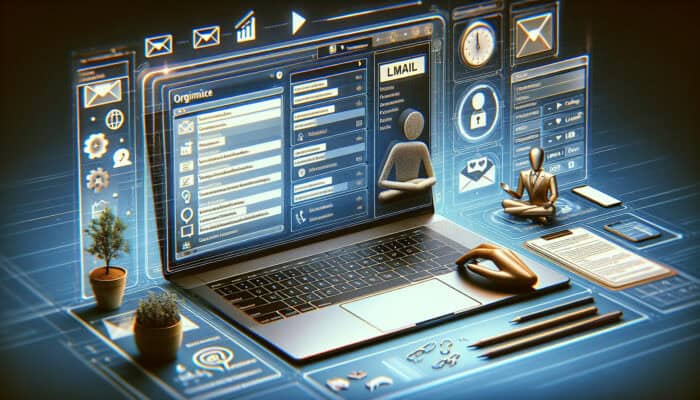
Creating a well-structured email is vital for effective communication, especially when interacting with virtual assistants (VAs). Start with a concise and clear subject line that sets the recipient's expectations and provides immediate context for the email's content. Following the subject, the body should be logically organized, breaking down key points into manageable sections. Utilizing bullet points or numbered lists greatly enhances clarity, enabling recipients to process information quickly and efficiently. Conclude your email with a courteous closing statement that leaves a positive impression, encouraging ongoing communication and strengthening the relationship between sender and recipient.
Employing clear and straightforward language is crucial; avoiding jargon ensures that communication remains focused and comprehensible. For example, instead of stating “facilitate the completion of tasks,” consider a more direct phrase like “help complete tasks.” This clarity is essential for productive interactions with VAs, as it reduces the chances of misunderstandings. Furthermore, adopting a tone appropriate to the relationship with the recipient aids in rapport building. In summary, an effective email structure features a clear subject, an organized body, and a polite closing, all of which contribute to efficient communication.
Essential Elements for Establishing Effective Email Communication Protocols
Creating effective email protocols is essential for enhancing user experiences in VA interactions. The foundation of these protocols involves several critical components that promote professionalism and clarity. Defining response times is vital; by setting clear expectations for when recipients can expect replies, you foster accountability and eliminate uncertainty. Additionally, establishing tone guidelines ensures a consistent and professional communication style, which keeps all interactions respectful and appropriate.
Other vital features to incorporate into your protocol setup include:
- Clear policies for handling attachments to ensure safe and efficient document sharing.
- Follow-up procedures that remind users of pending actions or responses.
- Specific formatting guidelines for different email types, such as inquiries, responses, or updates.
- Guidelines for managing confidential information to maintain data security and compliance.
- Accessibility considerations, ensuring that communications are inclusive for all users.
- Templates for common scenarios to streamline the email process.
- Feedback mechanisms to facilitate continuous improvement of email practices.
- Emergency communication protocols for urgent matters that require immediate attention.
These elements collectively enhance the effectiveness of email interactions, ensuring they remain professional and productive over time.
Why Is Clarity Integral to Effective Communication in VA Contexts?
Clarity forms the bedrock of effective communication, particularly in VA interactions where quick comprehension is critical. When messages are clear and straightforward, ambiguity disappears, preventing misunderstandings that could disrupt productivity. Crafting emails with clarity allows recipients to quickly grasp the intended message, ultimately boosting productivity and improving user satisfaction. Users feel more confident when they understand the communicated information.
To achieve clarity, individuals should prioritize using simple, accessible language that conveys the message without unnecessary complexity. This involves structuring sentences clearly and avoiding convoluted phrases. Utilizing formatting tools like bold text for emphasis or headings to segment information effectively directs the reader’s attention to key points. Additionally, incorporating practical examples or scenarios can help illustrate complex ideas, making them more relatable and easier to digest. By prioritizing clarity, VAs can ensure their interactions are efficient, effective, and enjoyable for everyone involved.
What Are the Common Email Protocols and Their Functions?
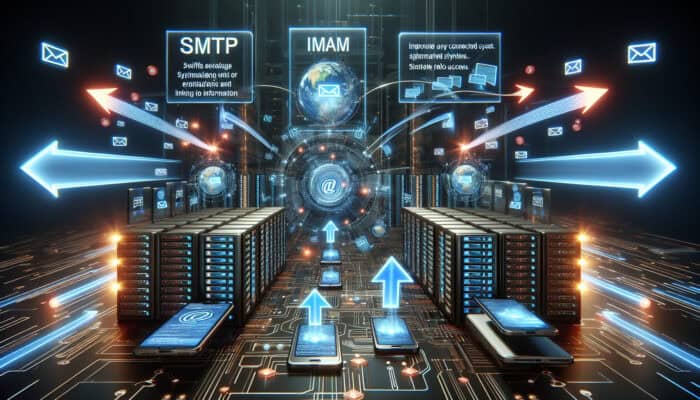
Grasping the common email protocols is essential for anyone engaged in digital communication, particularly in the context of VA interactions. The Simple Mail Transfer Protocol (SMTP) is one of the most fundamental protocols for sending emails. It operates by facilitating the transfer of messages from the sender’s mail server to the recipient’s server, ensuring reliable email delivery. On the receiving end, the Internet Message Access Protocol (IMAP) allows users to efficiently retrieve and manage emails, offering features such as multi-device syncing, which is increasingly crucial in today's mobile-centric world.
Understanding these protocols not only aids users in troubleshooting issues but also enhances their ability to optimize email interactions. Familiarity with how these protocols function empowers users to navigate their email systems effectively, leading to a more streamlined experience. Other protocols, such as the Post Office Protocol (POP), serve specific purposes, like downloading emails for offline access. Gaining knowledge about these various protocols equips individuals with the necessary understanding to utilize their email systems to their fullest potential.
What Are the Best Practices for Ensuring Secure Email Exchanges?
In the realm of virtual communications, implementing best practices for secure email exchanges is critically important. Protecting sensitive information is essential, and using measures like encryption is vital for safeguarding data during transmission. Encryption ensures that even if a message is intercepted, it remains unreadable without the correct decryption key, thereby maintaining confidentiality and integrity.
Being aware of phishing threats also plays a pivotal role in secure email practices. Users need education on how to identify suspicious emails that seek to trick them into providing personal information. This includes being vigilant about links in emails and verifying the sender’s address, even if it appears legitimate at first glance. Additionally, enforcing strong password policies for email accounts and enabling two-factor authentication can substantially enhance security.
Other best practices include regularly updating security software to protect against malware and ensuring all devices used for email exchanges have adequate security measures in place. By prioritizing these practices, individuals can maintain trust in their communications, which is vital for both professional and personal interactions in the increasingly digital landscape of VA work.
How Does Effective Communication Improve VA Interactions?
Identifying Key Communication Principles for Improved Engagement

Effective communication in VA interactions hinges on core principles that foster trust and collaboration. One of the most significant principles is active listening; this encourages a two-way dialogue where both parties feel valued and understood. Active listening involves paying close attention to the content of communications and responding with empathy. For example, paraphrasing what the other party expressed in an email signifies active engagement and validates their concerns or ideas.
Another essential principle is responsiveness, which directly affects the quality of interactions. By promptly acknowledging emails, VAs convey respect for the sender's time and effort. This simple act of responsiveness lays the groundwork for a stronger working relationship, reassuring the sender that they matter and that their messages are valued. Furthermore, being transparent in communication regarding capabilities and limitations fosters trust, as it sets realistic expectations and prevents misunderstandings.
Incorporating these core principles into every interaction not only enhances communication quality but also contributes to a more harmonious working relationship between users and their VAs. Trust and collaboration thrive in environments where these principles are actively practiced, paving the way for improved outcomes.
Proven Strategies for Building Rapport Through Email Communication
Establishing rapport via email requires thoughtful strategies that make interactions feel personal and engaging. One effective method is to include personalized touches within communications, such as addressing the recipient by name and referencing past conversations or shared experiences. This personalisation fosters a sense of familiarity and warmth, reinforcing the human element in digital interactions.
Timeliness is another critical factor; responding to emails promptly signals that the sender’s message is valued. Setting a standard response timeframe—whether it’s within 24 hours or sooner—helps establish expectations and encourages a culture of swift communication. Furthermore, adopting a friendly and conversational tone can make emails feel less transactional and more collaborative, promoting a sense of teamwork.
Additionally, incorporating visual elements like emojis or informal formatting can help convey tone and emotion, further personalizing the interaction. When used judiciously, these strategies add an expressive layer that can enhance rapport. Ultimately, by consistently employing these strategies, VAs can strengthen their relationships with users, making communications more effective and enjoyable.
How Can You Assess the Impact of Various Communication Styles?
The effectiveness of different communication styles in VA interactions can significantly influence overall efficiency and user satisfaction. Various styles—whether formal, casual, or a blend of both—affect how messages are perceived and interpreted. Adapting communication styles based on the recipient's preferences is crucial for improving overall outcomes. For instance, a casual tone may resonate better with a client who appreciates a friendly approach, while a formal tone might suit corporate communications better.
To measure the impact of these diverse communication styles, establishing feedback loops is essential. Encouraging users to share their thoughts on the effectiveness of communication can yield valuable insights into what works well and what does not. Additionally, tracking metrics such as response rates and user satisfaction scores can help identify patterns linked to specific communication styles. For example, if a particular style consistently results in higher response rates, this can inform future communication strategies.
Moreover, conducting periodic assessments of communication effectiveness drives continuous improvement. Adjusting communication styles based on user feedback not only enhances interactions but also demonstrates a commitment to meeting user needs. By embracing flexible communication styles and valuing user input, VAs can foster more productive and satisfying interactions.
Utilising Non-Verbal Cues to Enhance Digital Communication Effectiveness
In digital communication, non-verbal cues play a significant role in conveying emotions and tone, especially in VA interactions where face-to-face contact is absent. Elements such as punctuation, formatting, and even the use of emojis can greatly influence how a message is perceived. For instance, an exclamation mark can convey enthusiasm, while a strategically placed emoji can soften a request or add a touch of friendliness, thereby helping to build rapport.
It is essential, however, to use these cues judiciously and contextually. Some recipients may prefer a more formal tone, while others may appreciate a more casual, friendly approach. Understanding the preferences of the recipient and adapting accordingly can enhance communication effectiveness. Moreover, maintaining clarity in language is paramount; ensuring that the intent of the message is unmistakable helps avoid misunderstandings that could arise from misinterpretations of tone.
Furthermore, incorporating visual elements such as bullet points or bold text can effectively highlight crucial information, guiding the reader's attention. This not only improves readability but also assists in conveying the urgency or significance of specific points. By leveraging non-verbal cues appropriately, VAs can foster empathy and create a more personal connection with users, ultimately leading to more effective communication and enhanced collaborative outcomes.
Expert Tips for Developing Effective Email Protocols in Human VA Interactions
Advanced Techniques for Creating Comprehensive Email Protocols
Developing effective email protocols is crucial for optimizing human-VA engagement. One advanced technique is to create customized email templates tailored to various scenarios. For instance, crafting a template specifically for meeting requests can streamline the process, ensuring that essential information is consistently included, such as proposed timings, agenda, and objectives. This strategy not only saves time but also enhances professionalism by maintaining a standardized format.
Another technique involves implementing automation tools to assist in managing email workflows. Utilizing software to automate responses to frequently asked questions or schedule reminders can significantly improve operational efficiency. Furthermore, integrating collaborative tools that enable shared access to documents directly from email enhances the overall user experience, simplifying engagement between users and their VAs.
Regularly reviewing and updating protocols based on user feedback is also essential to ensure their relevance and effectiveness. This iterative process allows for continuous improvement, adapting to evolving needs and technological advancements. By utilizing these advanced techniques, VAs can create a seamless and engaging experience for users, ultimately leading to heightened satisfaction and increased productivity.
How to Evaluate Email Protocol Effectiveness Using User Feedback?
Collecting user input is a critical aspect of refining email protocols to ensure their ongoing effectiveness. Regularly soliciting feedback allows VAs to understand how well their communication strategies function and where enhancements may be needed. Implementing structured feedback mechanisms, such as surveys or feedback forms, can provide valuable insights into user experiences and satisfaction levels.
In addition to qualitative feedback, quantitative metrics like response times and email open rates can help assess protocol effectiveness. For example, if a specific email format consistently results in higher open rates, this insight can inform future communication strategies. Analyzing these metrics over time helps identify trends and patterns, allowing for proactive adjustments to protocols.
Moreover, collaborating with users to co-create solutions can enhance buy-in and commitment to the protocols. By involving users in refining communication strategies, VAs can foster a sense of ownership, leading to more effective and satisfying interactions. This analysis-driven approach ensures that protocols evolve based on real-time user experiences, driving continual improvement in email communications.
How to Integrate Security Measures into Email Communications Effectively?
Incorporating robust security measures into email communications is crucial for protecting sensitive information, particularly in VA interactions. One of the primary recommendations is to use end-to-end encryption, ensuring that messages are accessible only to the intended recipients. This adds a vital layer of security for maintaining confidentiality, especially in industries where sensitive data is frequently exchanged.
Additionally, implementing verification measures, such as digital signatures, can help authenticate the sender’s identity, mitigating risks associated with phishing attacks. Educating users on the importance of recognizing suspicious emails and encouraging them to verify unexpected requests can further bolster security. Regular training sessions on best practices for email security can empower users to remain vigilant against potential threats.
Furthermore, creating a detailed protocol for handling confidential information establishes clear guidelines for users. This may include specifying which types of data should never be shared via email or outlining procedures for securely transmitting sensitive documents. By prioritizing security measures in email communications, VAs can protect user information and maintain trust, which is crucial for successful interactions.
Best Practices for Crafting Effective Follow-Up Emails in VA Interactions
Effective follow-up emails are essential for maintaining communication flow in human-VA engagements. To ensure these emails are productive, several key strategies should be adopted. Firstly, timing is critical; follow-ups should be sent within a reasonable timeframe—typically 24 to 48 hours after the initial email—to remind recipients of pending actions without overwhelming them.
The tone of follow-up emails should remain polite and professional, expressing enthusiasm and appreciation for the recipient's efforts. This fosters a positive atmosphere and encourages continued engagement. Moreover, including a brief summary of the previous interaction or the purpose of the follow-up can provide context and help refresh the recipient's memory regarding the discussed topics.
Custom templates for follow-up emails can also streamline the process, ensuring consistency and professionalism. These templates should be adaptable to different scenarios, allowing VAs to tailor their messages to the specific context. By implementing these best practices for follow-up emails, VAs can enhance communication continuity, prevent misunderstandings, and foster productive ongoing relationships.
What Are the Major Benefits of Implementing Effective Email Protocols?
How Do Protocols Streamline Efficiency in VA Interactions?
Implementing streamlined email protocols significantly boosts efficiency in VA interactions by reducing response times and minimizing errors. When protocols are clearly defined, users possess a structured framework to follow, facilitating quicker responses and decision-making. This standardization enables VAs to manage their time more effectively and prioritize tasks based on established guidelines.
For instance, having a clear set of instructions for handling specific inquiries can reduce the time spent determining the appropriate response. Additionally, protocols can address common scenarios, providing VAs with templates and guidelines that streamline processes. This not only enhances productivity but also ensures that users receive consistent information and support.
Moreover, by establishing protocols for follow-up communications and reminders, VAs can avoid unnecessary delays in correspondence. This proactive approach encourages timely responses and fosters a more dynamic working environment. Ultimately, implementing well-designed protocols leads to faster resolutions and improved overall efficiency in human-VA interactions.
How Do Protocols Contribute to Increased User Satisfaction?
Well-implemented email protocols directly contribute to heightened user satisfaction in VA interactions. Consistent and reliable communication fosters a sense of dependability, allowing users to feel confident that their inquiries will be addressed promptly and professionally. This consistency is key to building trust and rapport between users and their VAs.
Moreover, when protocols are designed with user needs in mind—such as incorporating feedback mechanisms—they reflect a commitment to user satisfaction. By showing that their opinions are valued, users are more likely to engage positively with their VAs, leading to stronger working relationships. Additionally, efficient communication practices ensure users receive timely updates and relevant information, contributing to a seamless experience.
The predictability and professionalism established by these protocols ultimately create a user-friendly atmosphere, making interactions feel less transactional and more collaborative. Consequently, users are more likely to return to VAs for assistance in the future, fostering greater loyalty and ongoing engagement.
What Is the Long-Term Value of Standardized Email Protocols?
Adopting standardized approaches through email protocols provides sustained benefits that extend beyond immediate interactions. Over time, these protocols reduce the risk of miscommunications and errors, fostering a more efficient and adaptable VA environment. This long-term consistency becomes ingrained in the communication culture, leading to improved collaboration and effectiveness.
Standardized protocols also facilitate easier training for new VAs, as clear guidelines can be provided to ensure everyone is aligned. This consistency in training leads to a more cohesive team, with all members equipped to handle communications professionally. Furthermore, maintaining a standardized approach promotes accountability, as users know what to expect from their VAs and vice versa.
As protocols evolve to accommodate changing user needs or technological advancements, they continue to deliver value. Regular reviews and updates ensure that protocols remain relevant, allowing for flexibility and adaptability in response to emerging challenges. Ultimately, the long-term value of standardized email protocols lies in their ability to enhance communication clarity and foster enduring professional relationships.
Research-Backed Strategies for Enhancing Email Interactions
What Are the Key Methods for Implementing Effective Email Protocols?
Successful implementation of email protocols requires a strategic approach grounded in proven methods. Research highlights several key strategies for rolling out these protocols effectively. Initially, conducting training sessions equips users with the necessary skills and knowledge to adhere to the established protocols. These sessions should be interactive and comprehensive, addressing common scenarios and providing practical examples for better understanding.
Another effective method involves leveraging technology to assist in protocol implementation. Utilizing collaborative tools and platforms that integrate with email can streamline communication processes and promote adherence to protocols. For instance, shared calendars can help schedule meetings and ensure all parties are informed, reducing the likelihood of scheduling conflicts.
Additionally, establishing clear channels of communication for feedback during the implementation phase fosters a culture of collaboration and continuous improvement. Encouraging users to share their experiences and suggestions can uncover potential challenges early on, allowing for timely adjustments to protocols. By employing these research-backed strategies, organizations can ensure a smooth transition to effective email practices, enhancing overall VA interactions.
How to Optimize Email for Collaborative Tasks Effectively?
Optimizing email for collaborative tasks is essential for enhancing teamwork in VA scenarios. Effective strategies involve using tools that support shared editing and communication, facilitating seamless collaboration among team members. For example, integrating platforms like Google Workspace or Microsoft Teams enables real-time document collaboration directly from email.
Setting clear expectations for email communication during collaborative tasks is equally important. Protocols should outline the preferred methods for updates and feedback, ensuring that all team members are aware of their roles and responsibilities. Encouraging the use of subject lines that indicate the status of projects—such as “In Progress” or “Feedback Needed”—can enhance clarity and facilitate tracking communications related to specific tasks.
Furthermore, providing templates for collaborative emails can streamline the communication process, ensuring essential information is consistently included. These templates can comprise sections for updates, questions, and next steps, making it easier for team members to engage with one another effectively. By implementing these optimization strategies, VAs can foster a collaborative environment that boosts productivity and improves team dynamics.
How to Evaluate the Effectiveness of Communication Strategies?
To ensure the effectiveness of implemented email protocols, it is crucial to periodically evaluate the outcomes of communication strategies. Establishing metrics for assessing success can provide valuable insights into the impact of these practices on VA interactions. Key performance indicators (KPIs) might include response times, user satisfaction scores, and engagement rates for email campaigns.
Tracking engagement metrics—such as open rates and click-through rates—can help identify trends and areas for improvement. For instance, if specific types of emails consistently yield high open rates, this insight can inform future communication strategies and content creation. Additionally, conducting surveys or feedback forms can gather qualitative data on user experiences, allowing for a comprehensive evaluation of protocol effectiveness.
Regular reviews of these metrics should be conducted to identify patterns or shifts in user behavior, prompting necessary adjustments to protocols. By employing a research-backed approach to evaluating strategy outcomes, VAs can continuously refine their email communications, ultimately improving user satisfaction and enhancing interaction quality.
What Steps Can Be Taken to Optimize Protocols for Better Outcomes?
What Are the Essential Steps for Ensuring Protocol Refinement?
Regular reviews and updates to email protocols are essential for optimizing outcomes in VA interactions. One crucial step is to establish a schedule for periodic reviews, ensuring protocols are assessed at regular intervals. This proactive approach allows organizations to identify areas for improvement and adapt to evolving user needs and technological advancements.
Incorporating user feedback into the refinement process is equally important. By soliciting input from team members and clients about their experiences with the protocols, organizations can gain valuable insights into what works and what does not. This feedback can inform necessary adjustments, leading to more effective communication practices.
Additionally, monitoring performance metrics related to email interactions helps identify trends and patterns that may require protocol adjustments. For example, if response times are consistently lagging, this may signal a need for revising the guidelines or providing additional training for team members. By taking these steps to ensure protocol refinement, VAs can enhance communication quality and contribute to improved overall outcomes.
How to Effectively Adapt Protocols to Different Scenarios?
Flexibility in email protocols is vital for tailoring responses to various scenarios, thereby enhancing VA effectiveness. Different situations may necessitate distinct approaches; for example, a formal response might be necessary for client communications, while a more casual tone may be suitable for internal team discussions. Establishing guidelines for adapting tone and style based on context empowers VAs to engage more effectively with diverse audiences.
Moreover, creating scenario-specific templates can facilitate this adaptability. For instance, having templates for urgent requests versus routine inquiries can ensure VAs respond appropriately to varying levels of urgency. Additionally, training sessions that cover different communication scenarios can equip team members with the skills needed to navigate diverse situations confidently.
Furthermore, regularly assessing the effectiveness of these adaptations helps ensure protocols remain relevant. By reviewing feedback and performance metrics related to scenario-specific communications, VAs can identify successful strategies and areas for improvement. Ultimately, by embracing flexibility and adaptability within protocols, VAs can enhance their effectiveness and responsiveness to user needs.
Why Is Continuous Training Crucial for Protocol Adherence?
Continuous training is crucial for reinforcing protocol adherence and enhancing email practices among VAs. Regular training sessions provide opportunities for team members to stay updated on best practices, learn new techniques, and reinforce their understanding of established protocols. These sessions should be interactive, incorporating real-world scenarios and case studies to facilitate practical learning.
Additionally, ongoing training fosters a culture of continuous improvement. Encouraging VAs to share their experiences and insights during these sessions creates an environment of collaboration and knowledge sharing. This collective learning approach not only enhances individual skills but also contributes to the overall effectiveness of the team.
Moreover, integrating technology into training initiatives can enhance engagement. Online courses, webinars, and interactive tools facilitate flexible learning opportunities, allowing VAs to upskill at their own pace. By prioritizing continuous training, organizations can ensure that their VAs remain proficient in email practices, leading to long-lasting benefits in communication quality and overall effectiveness.
How to Evaluate the Performance of Email Protocols Effectively?
Regularly evaluating the performance of email protocols using key metrics and analytics is essential for confirming that optimizations lead to measurable improvements in VA interactions. Establishing specific KPIs, such as response times, email open rates, and user satisfaction scores, provides a framework for assessing effectiveness. Tracking these metrics over time can reveal trends and patterns that inform necessary adjustments to protocols.
Additionally, conducting surveys or feedback forms can gather qualitative data on user experiences, complementing quantitative metrics. This comprehensive evaluation approach allows organizations to gain a holistic understanding of protocol performance, identifying areas of strength and opportunities for enhancement.
Moreover, fostering a culture of continuous improvement encourages team members to actively contribute to protocol evaluations. Creating forums for discussing challenges and successes can lead to insights that drive future refinements. Ultimately, by systematically evaluating protocol performance, organizations can ensure that their email practices remain effective and aligned with user needs, leading to improved VA outcomes.
How to Ensure Long-Term Effectiveness in Email Protocols?
What Core Practices Sustain Protocol Use Over Time?
Establishing core practices for sustaining email protocols over time is critical for maintaining effectiveness in VA settings. Routine audits of email practices should be conducted to ensure protocols remain relevant and functional. These audits can identify areas for improvement and facilitate the incorporation of feedback from team members and clients.
Another essential practice is to keep documentation of protocols easily accessible and up to date. This ensures that all team members can refer to the latest guidelines and maintain consistency in their communications. Providing regular refresher training on protocols also reinforces adherence and encourages continuous improvement.
Moreover, promoting a culture of accountability encourages team members to take ownership of their email practices. Encouraging open discussions about challenges and successes can foster an environment of collaboration and support, leading to sustained effectiveness. By prioritizing these core practices, organizations can ensure that their email protocols remain relevant and functional, ultimately enhancing VA interactions over time.
How to Tackle Challenges in Maintaining Email Protocols?
Addressing challenges in protocol maintenance is essential for ensuring effective email communications in VA interactions. One common challenge is resistance to change; team members may hesitate to adopt new protocols or adjustments to existing ones. To mitigate this, fostering open communication about the benefits of the changes and involving team members in the refinement process can encourage buy-in and commitment.
Proactive monitoring of email practices can help identify potential issues before they escalate. Regularly reviewing email communications for adherence to protocols can uncover areas of concern, allowing for timely interventions. Additionally, creating channels for team members to voice their challenges and suggestions fosters a culture of collaboration and continuous improvement.
Moreover, providing ongoing support and resources can empower VAs to navigate challenges effectively. This may include access to updated training materials, mentoring opportunities, or peer support groups. By addressing challenges in protocol maintenance, organizations can foster a more efficient and adaptable VA environment, ensuring that email communications remain effective over time.
How to Future-Proof Email Strategies for Continued Success?
Anticipating changes and future-proofing email strategies is vital for sustaining VA efficiency in a rapidly evolving digital landscape. Regularly assessing emerging trends in communication technology can inform proactive adjustments to email protocols. For instance, as remote work becomes increasingly prevalent, establishing effective protocols for virtual meetings and collaborative tools will become essential.
Incorporating flexibility into protocols allows for adaptation to new tools and practices. Encouraging team members to stay informed about industry developments and share insights can foster a culture of innovation. This collaborative approach can lead to the identification of best practices that enhance email communications over the long term.
Furthermore, continuous training on emerging communication technologies and tools ensures that VAs remain proficient and confident in their email practices. By prioritizing future-proofing strategies, organizations can maintain the effectiveness of their email protocols, supporting enduring VA efficiency and user satisfaction.
Frequently Asked Questions
What Are Effective Email Protocols for Human VA Interactions?
Effective email protocols for human VA interactions involve clear subject lines, structured content, defined response times, and consistent tone guidelines to enhance communication quality and efficiency.
How Can Clarity Improve VA Interactions?
Clarity in communication helps avoid misunderstandings, ensuring that messages are understood accurately, which enhances user satisfaction and overall productivity in VA interactions.
Why Is Follow-Up Important in Email Communication?
Follow-up emails remind recipients of pending actions, fostering continuity in communication and ensuring that tasks are completed in a timely manner.
What Role Do Non-Verbal Cues Play in Emails?
Non-verbal cues, such as punctuation and formatting, help convey tone and emotion in emails, reducing misunderstandings and enhancing the personal connection in VA interactions.
How Can I Measure the Effectiveness of Email Protocols?
Effectiveness can be measured through metrics like response times, email open rates, and user satisfaction scores, as well as through qualitative feedback from users.
What Are Some Common Email Protocols?
Common email protocols include SMTP for sending emails and IMAP for receiving them, both of which are fundamental to email communication.
How Can I Ensure Security in Email Exchanges?
Implementing encryption, using strong passwords, and educating users on phishing scams are crucial steps for ensuring security in email exchanges.
What Are Best Practices for Email Follow-Ups?
Best practices for follow-ups include timely responses, polite tone, and providing context to help the recipient recall the previous interaction.
How Do Standardised Protocols Benefit Users?
Standardised protocols enhance user satisfaction by ensuring consistent communication, reducing ambiguity, and fostering trust and reliability in interactions.
What Steps Can I Take for Continuous Training on Email Protocols?
Conduct regular training sessions, provide access to updated resources, and encourage knowledge sharing among team members to maintain proficiency in email protocols.
Discover our world on YouTube today!
The Article Effective Email Protocols for Human VA Interactions First Published On: https://vagods.co.uk





No responses yet