Dry Eye Forte serves as a therapeutic supplement meticulously designed to manage chronic dry eye by boosting tear film stability and reducing ocular surface inflammation. While the majority of users report excellent tolerance, it is important to understand the possible side effects, any interactions with other medications, and scenarios in which caution is warranted, especially for individuals with pre-existing medical conditions. Being informed about these factors empowers you to make a knowledgeable decision regarding the addition of this supplement to your health routine.

Discover the Comprehensive Benefits of Using Dry Eye Forte
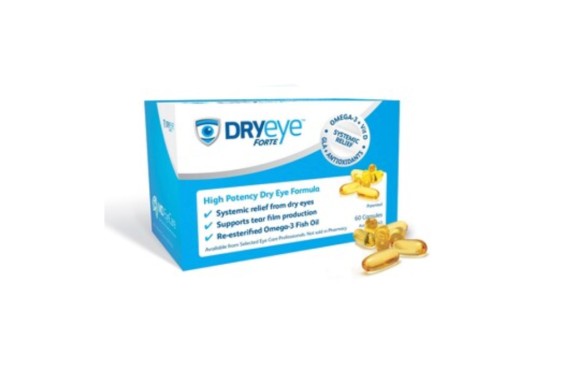
Dry Eye Forte is an Australian-formulated supplement expertly developed to alleviate the symptoms associated with dry eye on a systemic level. This product is particularly advantageous for individuals grappling with conditions such as:
- Meibomian gland dysfunction
- Evaporative dry eye
- Inflammation-related ocular surface disease
The formulation is enriched with four essential ingredients that work synergistically to enhance the quality and consistency of the tear film:
- Re-esterified omega-3s (EPA + DHA) sourced from purified fish oil
- GLA (gamma-linolenic acid) derived from cold-pressed borage oil
- Vitamin D3, which aids in immune modulation and promotes ocular surface healing
- Vitamin E (d-alpha-tocopherol), functioning as an antioxidant and assisting in omega-3 metabolism
Each of these vital nutrients collaborates to manage inflammation, nourish tear-producing glands, and relieve symptoms such as burning sensations, irritation, and changes in vision quality.
Recognizing the Possible Side Effects of Dry Eye Forte
In general, most users tolerate Dry Eye Forte exceptionally well, especially when taken with food. However, some individuals may experience mild gastrointestinal symptoms during the initial weeks of use, such as:
- Mild nausea or stomach discomfort
- Loose stools or softer bowel movements
- Fishy aftertaste, burping, or mild reflux
- Occasional heartburn
These symptoms are typically linked to the omega-3 component and generally diminish with continued use. Initiating with a lower dosage and gradually increasing it can also improve tolerance and comfort levels.
Who Should Approach Dry Eye Forte with Caution?
While Dry Eye Forte is largely regarded as safe, it contains fat-soluble vitamins (D3 and E) that may accumulate in the body if consumed excessively or in combination with other supplements. It is advisable to consult with your doctor or optometrist before beginning Dry Eye Forte if you:
- Are currently on blood thinners (e.g. warfarin, aspirin, clopidogrel)
- Have allergies to fish or borage oil
- Are pregnant, breastfeeding, or taking other vitamin D or E supplements
- Have a history of fat-soluble vitamin toxicity, kidney disease, or hypercalcemia
Although Dry Eye Forte is not known to significantly interact with common medications outside these categories, your personal health history should inform your choice.
Is Long-Term Use of Dry Eye Forte Considered Safe?
Absolutely, when taken at the recommended dosage, Dry Eye Forte is deemed safe for prolonged usage. It often plays a vital role in a comprehensive strategy for managing dry eye, which might include:
- Lubricating eye drops
- Eyelid hygiene routines
- Heated eye masks or compresses
- A diet rich in omega-3s
- Screen-time modifications or blink training
Your optometrist can guide you in determining the most effective combination of treatments tailored to your specific type of dry eye.
Practical Strategies to Minimize Side Effects of Dry Eye Forte
To enhance your comfort and reduce the likelihood of experiencing undesirable symptoms while using Dry Eye Forte:
- Always take Dry Eye Forte with food
- Start with 1 capsule per day, gradually increasing to 3 as tolerated
- Store capsules in a cool, dry place
- Discontinue use and consult your healthcare provider if symptoms persist or worsen
Should You Consider Adding Dry Eye Forte to Your Treatment Plan?
If you are suffering from moderate to severe dry eye, especially if it is related to inflammation or meibomian gland dysfunction, Dry Eye Forte could be a valuable addition to your therapeutic regimen. It offers a high-quality, bioavailable source of omega-3s combined with essential vitamins that promote ocular surface health.
If you remain uncertain, it is wise to consult your optometrist. They will assess your current treatment strategy, evaluate potential interactions with other supplements, and help you determine if this formulation aligns well with your eye health and overall wellness.
We have also prepared a comparison of Lacritec versus DRYeye Forte should you wish to examine both options in greater detail.
Reliable References for Dry Eye Research and Information
- The Role of Omega-3 Fatty Acids in Dry Eye Syndrome – International Journal of Molecular Sciences
- Systemic Omega-3 Supplementation and Ocular Surface Health – The Ocular Surface Journal
- Blood Thinners and Fish Oil – Mayo Clinic
Common Questions Regarding DRYeye Forte
What side effects should you expect with Dry Eye Forte?
Most individuals find Dry Eye Forte to be well-tolerated. Typical side effects may include mild gastrointestinal issues such as nausea, loose stools, heartburn, or a fishy aftertaste. These symptoms generally occur early in the treatment and often resolve as the supplement is consistently taken with meals.
Can Dry Eye Forte lead to stomach upset?
Yes, this may occur, particularly upon starting the supplement or if taken on an empty stomach. Taking the capsules alongside a main meal and gradually increasing the dosage can significantly reduce stomach discomfort.
Is it safe to use Dry Eye Forte for an extended period?
When taken at the recommended dosage, Dry Eye Forte is regarded as safe for long-term consumption. Many individuals incorporate it into their ongoing management strategies for dry eye, alongside eyelid hygiene, eye drops, and warm compresses.
Who should refrain from taking Dry Eye Forte without consulting a healthcare provider?
Individuals who are on blood-thinning medications, those with allergies to fish or borage oil, people with kidney disease, elevated calcium levels, or conditions influenced by vitamin D should seek medical advice before starting this supplement. Pregnant or breastfeeding women should also consult a healthcare professional.
Is it possible to take Dry Eye Forte with other supplements?
In many cases, yes. However, if you are already using supplements containing vitamin D or vitamin E, it is crucial to monitor your total intake to prevent excessive levels. Your optometrist or GP can assist in evaluating this safely.
The Article: Dry Eye Forte Side Effects: What You Should Know Before You Start first appeared on https://writebuff.com




No responses yet