A bidet seat fits onto your existing toilet, making its compatibility reliant on the specific measurements of your toilet. While many listings emphasise features such as spray settings, remote controls, and heated seats, they often neglect to highlight the vital aspect of the toilet bowl shape. This oversight can lead to compatibility problems after your purchase.
Before committing financially, here are five crucial measurements you can take using a tape measure and a flashlight. If you meet all five criteria, installing a bidet seat should be straightforward. If you find one or two discrepancies, alternative solutions may still exist; it just requires a different approach.
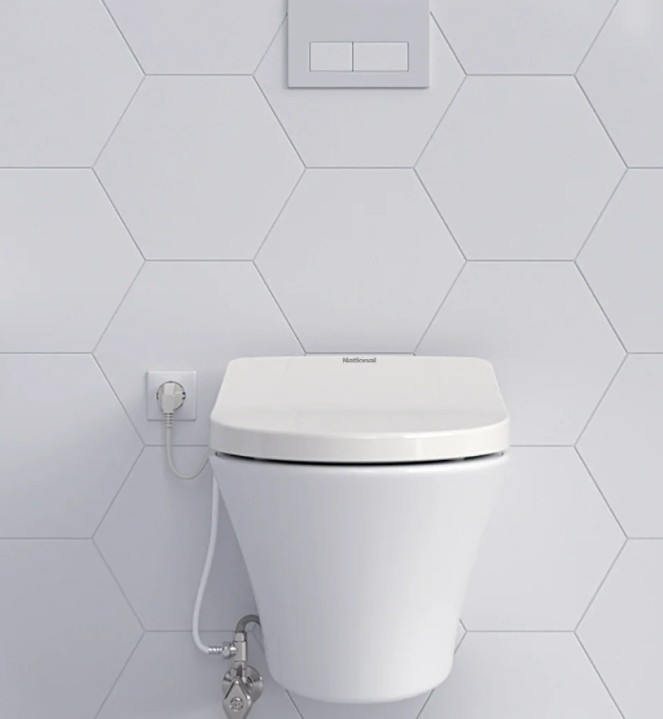
Step One: How to Determine if Your Bidet Seat Suits Your Toilet Bowl Shape
Bidet seats are tailored for specific bowl shapes, making accurate measurements of your bowl essential. Start by removing the current seat and measuring from the centre of the two mounting holes to the front edge of the bowl. This measurement is the first step in Toto’s fitting guidelines, which clearly indicate that elongated bowls require elongated seats.
These two shapes are not interchangeable. An elongated bowl has a longer, oval form, while a round bowl is more circular. If you are unsure of the shape, record your measurement and compare it with the specifications of the bidet seat you are considering.
Toto’s guidance is primarily aimed at the American market, so use their figures as a general reference. Always rely on your own measurements and the specifications provided by the manufacturer for models available in your region.
Step Two: How to Measure Bidet Seat Hole Spacing and Ensure Cistern Clearance
Proper alignment of the mounting holes and adequate space behind the bidet seat are essential. Measure the distance between the centres of the two mounting holes, and then measure from these holes to the front of the cistern or wall. Toto’s fitting guidelines specify both distances and outline a minimum gap requirement between the mounting holes and the cistern. Be aware that a cistern with a curved front may hinder the installation of a Washlet.
The required measurements depend on the type of toilet you have:
- Close coupled toilet: The cistern sits directly atop the pan, so measure from the mounting holes to the front of the cistern.
- Back to wall toilet: The pan is flush against the wall, so measure from the mounting holes to the wall or to the cistern above it.
- Wall hung toilet with an in-wall cistern: There is no cistern behind the seat, but the wall and flush plate are nearby, with water and power connections concealed behind the wall.
If the mounting holes do not align with your desired seat, look for a model whose specifications match your toilet.
Step Three: Is There a Cold Water Supply Accessible Near Your Toilet?
A bidet seat must draw water from the same supply that fills your cistern. Examine the area behind or beside the toilet for the stop tap that supplies water to the cistern. Toto’s installation guide illustrates the typical setup: a T connector is fitted at the base of the toilet, with the toilet’s supply line connected to one outlet and the bidet seat’s hose to the other.
This connection involves plumbing work. According to the NSW Government’s plumbing, draining, and gasfitting licence page, any plumbing work must be carried out by a licensed professional, regardless of the job’s cost. The bidet seat may arrive at your home, but the water connection is a task for a qualified plumber.
While you are inspecting the area, also check the stop tap. If it feels stiff, is leaking, or shows signs of corrosion, mention this when scheduling your plumbing appointment. It is far easier to address such issues during the same visit than after the seat has been installed.
Step Four: Ensuring Power Availability for Heated or Electric Bidet Seats
An electric bidet seat requires a power point nearby, which is not always guaranteed. Features such as warm water, a heated seat, and an air dryer all depend on electricity. Toto’s fitting advice underscores the necessity of having a powered outlet close to the toilet for their electric models.
If there isn’t a power point within reach, you have two options:
- A non-electric seat: According to Bio Bidet, non-electric seats function solely on household water pressure, eliminating the need for an outlet. The water temperature will match the pipe temperature unless the model includes a second line for hot water.
- A new power point: Installing a new power point is classified as electrical work. The NSW Government’s electrical safety page states that all electrical installation work must be conducted by a licensed electrician, as DIY electrical work is both dangerous and illegal.
Address any power supply issues before ordering an electric seat. A seat that arrives without a nearby power connection will remain in its box and unused.
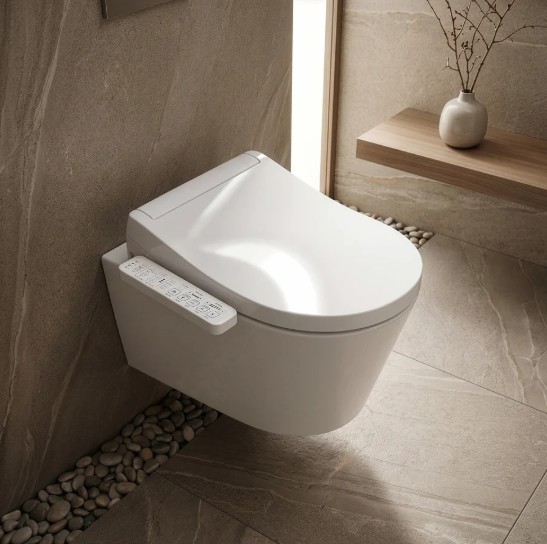
Step Five: Is Your Bidet Seat WaterMark Certified?
As a bidet seat connects directly to your drinking water supply, ensuring it has WaterMark certification is imperative. The Australian Building Codes Board’s WaterMark Schedule of Products includes bidet douche seats among the items that require certification. The Plumbing Code of Australia mandates that certain plumbing products must be certified and authorised for use in plumbing installations.
Exercise particular caution with seats purchased online from overseas retailers. The ABCB’s WaterMark product search allows you to verify a product by brand, model, or licence number. The licence number is located next to the WaterMark symbol on the product. Conduct this search before making a payment, not after the seat has been delivered.
When Should You Consider a Full Bidet Toilet Instead of a Bidet Seat?
If your toilet does not satisfy one or more of the necessary criteria, opting for a new toilet with a built-in bidet may be a simpler solution. This choice typically arises in three situations:
- The toilet pan is incompatible with any seat: Factors such as bowl shape, hole spacing, or clearance from the cistern rule out the models you have considered.
- Someone in the household requires a higher seat: A seat on a low pan does not affect the toilet’s height. If ease of access is a concern, check our page on raised height toilets.
- The bathroom is undergoing renovations: If the toilet is outdated or the bathroom is being renovated, it makes sense to incorporate the plumbing and electrical connections for a bidet toilet into your plans.
Replacing the entire toilet brings its own considerations, including the layout of the waste pipe and the location of the power supply. We provide guidance on transitioning to a smart toilet.
If your toilet meets all five checks, you can proceed to order the seat and arrange for a licensed plumber to install it. Our dedicated bidet page explains how Blue Rhino Plumbing installs bidet seats and smart toilets across Sydney.
Bidet Seat Compatibility: Your Questions Answered
Can any toilet accommodate a bidet seat?
No. A bidet seat must align with your bowl shape, match the seat mounting hole locations, and allow for sufficient clearance between the mounting holes and the cistern or wall. Toto’s fitting tips warn that a cistern with a curved front could obstruct a seat’s installation. Measure the bowl length, hole spacing, and rear clearance, then compare these figures with the specifications for your desired model before making a purchase.
Is a power point necessary for a bidet seat?
Only for electric models. Heated water, a warm seat, and a dryer all require power, so these seats must connect to a power point near the toilet. Non-electric models function solely on water pressure and do not need power. If you wish to install an electric seat and there is no power point available, a licensed electrician must install one, as NSW law mandates that all electrical installation work be conducted by a qualified professional.
Can a bidet seat be installed on a wall hung toilet?
Often, yes, provided that the shape of the pan’s bowl and the mounting holes are compatible with the seat. The challenge with wall hung toilets lies in the fact that the water and electrical connections are concealed behind the wall. A plumber will need to ensure that there is a water supply accessible for the seat’s hose and that an electric model has a nearby power point. Confirm the availability of both connections prior to ordering the seat.
How can I confirm if a bidet seat is WaterMark certified?
Look for the WaterMark symbol alongside the licence number printed on the product or its packaging. You can then search for this number, brand, or model using the Australian Building Codes Board’s WaterMark product search. Bidet douche seats are included in the ABCB’s list of products that require certification. If purchasing online, request the licence number from the seller and perform the search before payment.
Schedule Your Bidet Seat Installation in Sydney Today
Have you completed all five checks but still feel uncertain? Keep your measurements handy when you contact us. Blue Rhino Plumbing consists of licensed plumbers operating around Ryde and throughout Sydney. We can evaluate whether a bidet seat is suitable for your toilet or if a new pan would be a more effective solution. Contact Blue Rhino Plumbing to arrange a consultation.
Original Article First Published At: Will a Bidet Seat Fit Your Toilet? Five Checks Before You Buy
The Article: Bidet Seat Fit: Five Essential Checks Before You Buy first appeared on https://writebuff.com