Exploring the Fundamentals of Elevation
What Is the Definition of Elevation?

Elevation refers to the height of a specific geographic location above sea level, typically quantified in either meters or feet. This concept is vital across numerous domains, such as geography, environmental science, and urban planning. Understanding elevation is critical because it has a profound influence on climate, biodiversity, and human activities, which is essential knowledge for both travelers and residents.
For instance, cities like La Paz in Bolivia, renowned for their considerable elevation, require both locals and visitors to acclimatize to reduced oxygen levels and thinner air. This adaptation can significantly affect physical performance and overall well-being. A thorough understanding of elevation helps in assessing geographical features and their implications for local ecosystems.
- Elevation impacts climate and biodiversity significantly.
- It directly influences human health and activities.
- Higher altitudes necessitate specific adaptation strategies.
What Key Factors Influence Elevation Changes?
Various natural processes contribute to changes in elevation, reshaping landscapes and ecosystems across the globe. One of the primary factors is tectonic activity, wherein the movement of Earth’s tectonic plates can result in the uplift of mountain ranges or the formation of valleys. For example, the Himalayas are still rising due to the ongoing collision of tectonic plates.
Additionally, erosion serves as a critical factor that gradually wears down elevated terrains over time. Natural forces such as rivers and glaciers play significant roles in this process, sculpting valleys and hills into their current forms. The Grand Canyon is a prime example of how water erosion can lead to dramatic elevation changes over millions of years.
- Tectonic activity is responsible for the uplift of mountains.
- Erosion redistributes soil and rock particles across landscapes.
- Climate also plays a crucial role in elevation alterations.
How Does Elevation Impact Daily Activities?
The effects of elevation touch nearly every aspect of daily life, especially regarding health and transportation logistics. Individuals residing at high elevations, such as in Albuquerque, New Mexico, frequently experience unique health phenomena. For instance, the human body may produce more red blood cells to compensate for the lower oxygen levels, thus enhancing stamina during physical endeavors.
Moreover, elevation poses particular challenges for transportation infrastructure. In mountainous regions like the Swiss Alps, the design of roads and public transport must accommodate steep gradients. Innovative engineering solutions, such as cable cars and funiculars, are essential in ensuring that accessibility is maintained despite the challenges posed by significant elevation changes.
- Health adaptations are common at high elevations.
- Infrastructure must effectively address steep gradients.
- Transportation logistics are influenced by elevation variances.
How Does Elevation Affect Weather Patterns?
What Is the Role of Elevation in Atmospheric Conditions?
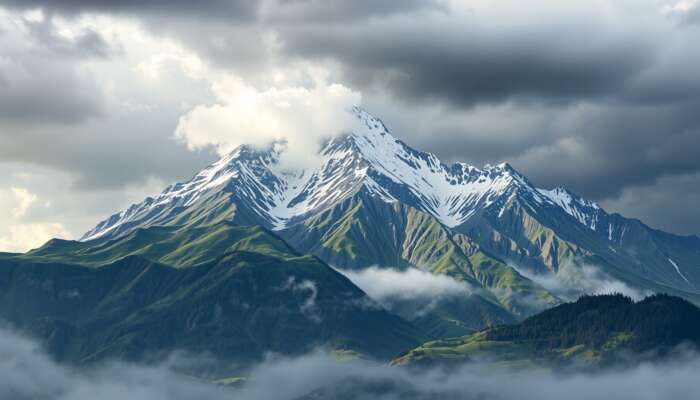
Elevation plays a significant role in determining atmospheric conditions, directly impacting temperature and air pressure. As altitude increases, atmospheric pressure decreases, leading to cooler temperatures. This phenomenon can be clearly observed on Mount Kilimanjaro, where warm tropical temperatures prevail at the base, but conditions turn frigid as one approaches the summit.
This altitude gradient results in varying weather patterns, creating distinct microclimates within short geographical distances. For instance, the Andes mountains generate rain shadows, resulting in lush, green environments on one side while the opposite side experiences dryness and aridity. These varied microclimates support diverse ecosystems and significantly impact local agricultural practices.
- Temperature decreases consistently with increasing elevation.
- Microclimates can vary greatly over short distances.
- Elevation is a key factor in shaping local ecosystems.
What Are Common Misconceptions About Elevation and Storms?
A widespread misconception is that higher elevations protect regions from severe weather conditions. In reality, elevation can intensify weather phenomena, leading to more powerful storms and significant precipitation patterns. Mountainous areas often face sudden thunderstorms due to rapid elevation changes that disrupt local air currents.
To better understand how elevation interacts with weather patterns, consider these actionable strategies:
- Study local topography to gain insight into prevailing wind patterns.
- Keep an eye on elevation-specific weather forecasts for accuracy.
- Implement flood management strategies in elevated regions to mitigate risks.
- Educate communities about the intensity of weather events at higher elevations.
How Does Elevation Influence Seasons?

Elevation is a crucial factor in determining seasonal variations, significantly affecting temperature and precipitation patterns. Generally, higher altitudes experience cooler temperatures, which results in delayed spring blossoms and extended winters. Ski resorts in the Rocky Mountains benefit from this phenomenon, attracting winter tourists eager for seasonal snowfall.
Moreover, elevation also influences the timing and quantity of precipitation. Areas situated at higher elevations, such as the Andean highlands, may experience different rainfall patterns compared to lowland regions. This interaction is vital as it significantly affects ecosystems and the agricultural practices employed in those areas.
- Higher elevations consistently experience cooler temperatures.
- Seasonal shifts have a profound impact on local ecosystems.
- Elevation affects agricultural practices significantly.
What Are Advanced Techniques for Elevation Analysis?
How Is Elevation Measured and Analyzed?
The measurement and analysis of elevation involve sophisticated techniques that yield valuable insights into geographical and environmental data. Geographic Information Systems (GIS) facilitate the visualization and analysis of elevation data across various landscapes, enabling researchers to create detailed 3D terrain models.
Additionally, remote sensing technologies, such as LiDAR (Light Detection and Ranging), provide precise elevation measurements through the use of laser technology. This method is particularly useful for monitoring changes in elevation over time, including those resulting from erosion or geological activities.
- GPS technology accurately tracks locations.
- Satellites measure sea levels and topographical alterations.
- Inclinometers are utilized to measure slope angles accurately.
- Theodolites provide precise measurements for land assessments.
What Are Long-Term Trends in Elevation Variations?
Long-term trends in elevation variations offer critical insights into the dynamic processes of Earth. Research indicates that certain mountainous areas are experiencing uplift due to tectonic activity, while others are slowly eroding. For instance, the Rocky Mountains continue to rise, while the Appalachians exhibit signs of age and wear.
Understanding these long-term trends is essential for predicting future geographical changes and their implications for biodiversity. The gradual melting of glaciers in regions such as Greenland is influencing sea levels and altering local ecosystems, resulting in shifts in species distribution and habitat viability.
- Some mountain ranges are rising due to ongoing tectonic activity.
- Others show signs of erosion that reflect their geological history.
- The melting of glaciers has significant effects on local ecosystems.
How Can Elevation Be Integrated into Environmental Planning?
Experts recommend the integration of elevation data into comprehensive environmental planning strategies. Utilizing elevation models in urban planning can aid in identifying optimal locations for infrastructure, thereby minimizing risks associated with flooding and landslides. In cities like San Francisco, understanding elevation is critical for developing effective drainage systems.
Incorporating elevation considerations into resource management practices ensures that land use is aligned with ecological capabilities. In regions with substantial elevation changes, such as the Columbia River Gorge, applying elevation insights in forestry and habitat restoration initiatives can lead to more sustainable and effective outcomes.
- Elevation data is instrumental in urban planning initiatives.
- Resource management practices should align with ecological needs.
- Public engagement is essential in the planning process to ensure community needs are met.
What Are the Benefits of Studying Elevation?
Why Does Elevation Matter in Scientific Research?
Studying elevation yields valuable data that enhances our comprehension of geology, ecology, and climate science. Elevation serves as a fundamental variable influencing numerous natural processes, making it an essential focus in scientific research. For example, examining the effects of elevation on the distribution of plants and animals can provide critical insights that inform conservation strategies.
Moreover, elevation data plays a vital role in geological studies, allowing researchers to understand landscape formation and evolution over time. By analyzing the relationship between changes in elevation and tectonic activities, scientists can gain valuable perspectives on Earth’s geological history.
- Elevation data is pivotal for developing effective conservation strategies.
- It informs geological studies and predictive modeling.
- Elevation is a key factor in climate modeling efforts.
How Does Elevation Affect Biodiversity?
Elevation has a substantial influence on biodiversity by creating distinct habitats across varied altitudes. Different elevations present unique environmental conditions, resulting in diverse ecosystems. The Amazon Rainforest and the Andes Mountains host species that have adapted specifically to their respective elevations.
Research indicates that many species exhibit altitudinal migration patterns in response to climatic changes. As global temperatures rise, species may migrate to higher altitudes, which can disrupt local ecosystems and potentially lead to species extinction.
- Elevation creates diverse and distinct ecosystems across the globe.
- Species may migrate to higher altitudes due to climate change.
- Understanding these dynamics is crucial for effective conservation efforts.
What Are Practical Uses of Elevation Knowledge in Education?
Education regarding elevation concepts enriches the learning experience by demonstrating real-world applications. Incorporating elevation studies into educational curricula enhances students’ understanding of geography, biology, and environmental science. Field trips to mountainous regions provide students with firsthand experiences of how elevation impacts ecosystems and human activities.
Utilizing technologies such as GIS and remote sensing in educational settings encourages students to engage with practical applications of elevation analysis. By analyzing elevation data, students can explore important topics like climate change, urban planning, and resource management.
- Field trips provide valuable insights into the effects of elevation.
- Technology engages students in meaningful, practical applications.
- Educated communities are better equipped to advocate for sustainable practices.
What Are Research-Backed Benefits of San Miguel de Allende Elevation?
What Are Key Findings from Elevation Studies?
Research consistently underscores the significant impact of elevation on both health and environmental systems. Studies indicate that living at higher elevations, such as in San Miguel de Allende, can enhance cardiovascular fitness as individuals adapt to lower oxygen levels. Such adaptations may improve physical performance and resilience against various health issues.
Additionally, elevation plays a crucial role in shaping environmental conditions that affect agriculture and biodiversity. Research suggests that regions at higher elevations may support unique plant species that are specifically adapted to particular climatic conditions. Understanding these dynamics is essential for implementing sustainable land management practices.
- Higher elevations contribute to improved cardiovascular fitness.
- Elevation significantly impacts agriculture and biodiversity.
- Adopting sustainable practices is vital for preserving unique ecosystems.
How Does Elevation Influence Resource Management?
Elevation has a profound effect on resource distribution, influencing factors such as water availability, soil quality, and biodiversity. In areas like the Andean highlands, elevation determines the types of crops that can be cultivated, which in turn affects local economies and food security. Farmers at higher altitudes often grow specific crops that thrive in cooler temperatures, including potatoes and quinoa.
Effective resource management necessitates a comprehensive understanding of how elevation influences these factors. Implementing sustainable practices in high-elevation regions can optimize resource utilization while minimizing environmental impacts. Agroforestry systems, which integrate trees and crops, can enhance soil fertility and improve water retention.
- Elevation directly affects resource distribution and crop selection.
- Sustainable practices can optimize resource use in farming.
- Agroforestry promotes ecological balance in elevated regions.
The Article: Elevation of San Miguel de Allende: Explore Its Heights appeared first on https://fallinginlovewithsanmiguel.com/





No responses yet