A Comprehensive Guide to Building Certification and Inspections
Starting the journey of constructing a new home or undertaking renovations can feel daunting. The process encompasses a multitude of tasks and strict adherence to various regulations. This can be particularly challenging for first-time builders who may find themselves navigating through complex and unfamiliar requirements.
Many professionals and tradespeople play vital roles throughout the construction process, and those new to the field might not fully understand the specific responsibilities assigned to each. A frequent point of confusion is the distinction between the roles of a building certifier and a building inspector.
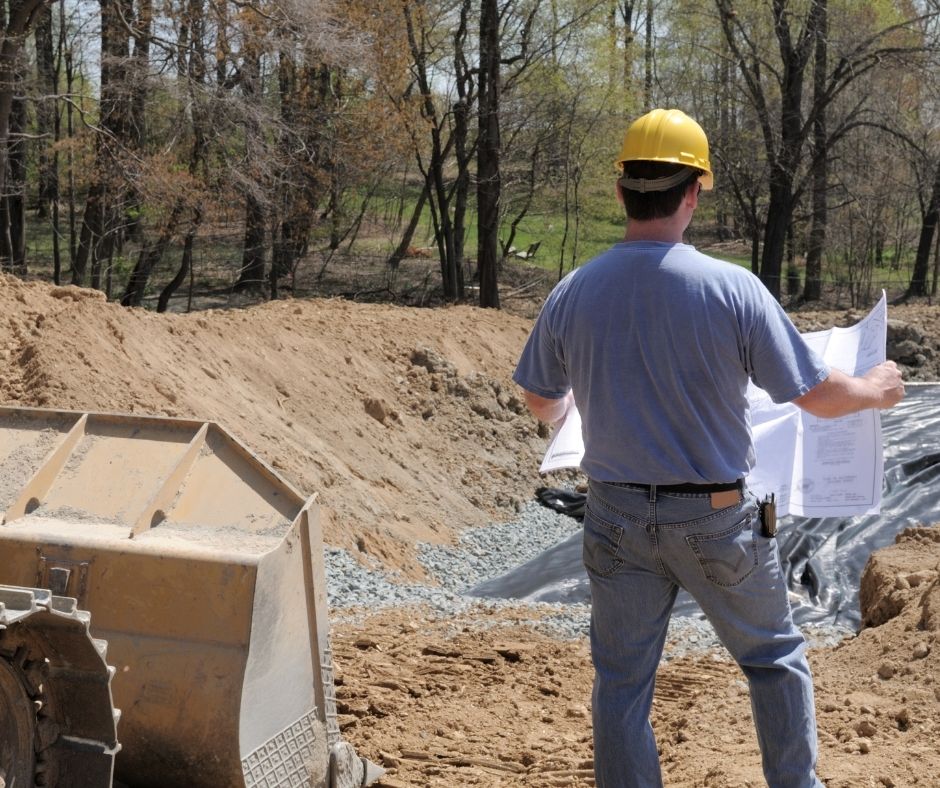
Understanding the Vital Role of Building Certifiers in Construction
The inspection carried out by a building certifier is crucial for the successful completion of any property. It ensures that the construction meets all relevant government regulations. Their assessments are fundamental in determining whether a property satisfies legal requirements.
Building certifiers ensure that every aspect of construction adheres to the regulations set forth by local, state, or federal authorities. Compliance is not merely suggested; it is a legal obligation.
In Queensland, certifiers possess the authority to issue building permits for construction projects, carry out necessary inspections, and provide formal documentation along with inspection certificates. For more details on the essential functions of a building certifier, continue reading below.
Essential Duties of a Building Certifier
- Assess and approve plans for new or modified structures;
- Conduct inspections at key stages of construction;
- Issue inspection certificates to the building owner upon completion of evaluations;
- Provide enforcement notices for non-compliant building work when required;
- Grant final certification to confirm a building’s readiness for occupancy.
It is crucial to understand that building certifiers are NOT responsible for supervising construction sites. They do not evaluate the quality of workmanship or ensure that builders adhere to contracts with homeowners. If an inspection reveals that construction has not been executed according to the approved plans, the certifier must take appropriate actions to rectify the issue and guarantee compliance with legal standards.

The responsibilities of a certifier do not extend to ensuring adherence to building warranties or insurance stipulations. Their primary functions revolve around the approval, inspection, and certification of building works.
Whether working for a local council or as part of a private firm such as A1 Certifiers, all building certifiers in Queensland must be licensed by the Queensland Building and Construction Commission (QBCC). They must also be registered with relevant accrediting organisations, including the Australian Institute of Building Surveyors (AIBS) or the Royal Institute of Chartered Surveyors.
Expanded Responsibilities of Building Certifiers
To conducting inspections, certifiers have several other important responsibilities:
- Issue inspection certificates to builders after evaluating their work;
- Provide final certificates that allow for the occupancy of the building;
- Dispatch enforcement notices when necessary; inspect construction work at various phases;
- Approve plans for new constructions, including additions, extensions, or modifications.
Thorough Building and Pest Inspections Conducted by Building Inspectors
A building and pest inspection entails a detailed visual assessment of a property’s current state, compared to similar properties of equivalent age, construction quality, and condition. This examination is performed by a qualified building inspector in line with Australian Standards. The resulting report highlights the quality of workmanship and overall standards of the building. Key focus areas include:
- Verification of completion to a recognised satisfactory standard;
- Identification of poor workmanship, including the use of inappropriate materials or incomplete tasks;
- Non-structural defects and conditions that may lead to future structural problems.
Building inspections can uncover hidden issues, including pest infestations such as termites and damage resulting from unlicensed DIY efforts. These inspections are vital for identifying potential safety risks, which could ultimately save lives.
Common Scenarios Necessitating the Expertise of a Building Inspector
- Pre-purchase inspections for potential home buyers;
- Inspections carried out during the construction process;
- Building handover inspections upon project completion;
- Inspections covered under warranty provisions.
Building inspectors meticulously document visible defects, assess their severity, and recommend corrective measures within a specified timeframe.
A building inspection can serve as a warranty for your new construction during the first twelve months, allowing you to rectify any mistakes made by contractors throughout the building process. This offers peace of mind and equips you with essential information for making informed property decisions.
Professional Building Certifiers Based in Brisbane
A1 Certifiers are experienced private certifiers located in Brisbane, ready to assist you with lodging and securing approval for your building plans from the local council. They ensure that your new home construction or renovation adheres to the approved plans and meets all relevant requirements under building legislation and the national construction code. Contact them today for expert guidance as you embark on your building journey.
Original Article First Published At: How Building Certifiers And Building Inspectors Differ
The Article: Building Certifiers Vs Building Inspectors: Key Differences first appeared on https://writebuff.com